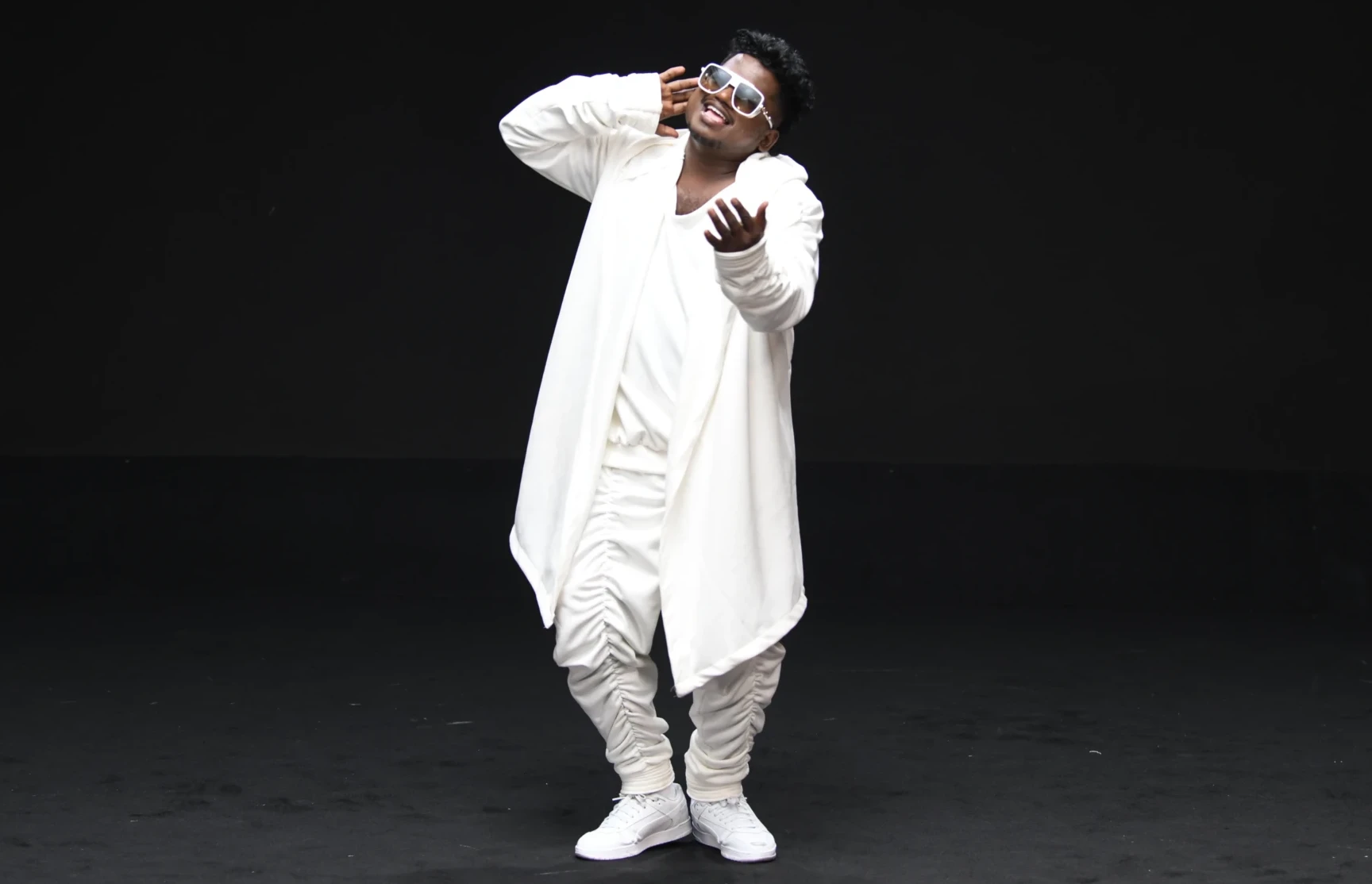

Arivarasu Kalainesan, known by his stage name Arivu, is known for not leaving politics out of his art. The Tamil rapper and songwriter made waves with his debut album Therukural, and has since been a part of several Tamil film soundtracks including Scene, Jana Nayagan and Coolie.
The “Enjoy Enjaami” singer speaks with Billboard India about politics and art, the impact of his music, and the changes he’d like to see in the Tamil independent music industry.
Decades from now, how would you want your music to be remembered?
Peace, that’s all. I want my songs to take people into a kind of psychological freedom, and I’ve started writing songs like that. Forty or fifty years from now, when someone listens to my songs, their mind should feel free. It shouldn’t be mere entertainment. We grow up deeply conditioned by society. Each of us comes from a different pocket of society, and in the name of belief, discipline and rules, each of us has a narrative firmly set in us. I grew up in that too, so what I need is psychological freedom, a freedom of the mind. When I listen to Kendrick Lamar’s songs, I understand that. Can a soul really speak this openly, this nakedly? That inspires me a lot. I want to become an artist like that. I believe that is what will free me and everyone around me.
Is all art political?
Life itself is political. There’s a saying that if we don’t interfere in politics, politics will interfere in our lives. But in India, every child is born into a life that is already political. Where you come from, your skin colour, what you eat, what language you speak, what slang you speak within that language: we come out of all these judgements before we can stand here as artists. So life is political, and art automatically becomes political, because art is a piece of life. When I say political, I don’t mean a large-scale political party. I mean whatever decides the power dynamics between two people. Each person brings that from their own judgments. When two artists meet, the questions start right away: where is he from, what does he believe in, what colour is he, what does he wear. All of this becomes a problem here, and we have to sing past all of it. Someone without that psychological strength gets filtered out right there. That is what I call politics.
What change would you like to see in the Tamil independent music industry?
I think all artists should first understand their rights. We’re caught up in the excitement of making songs and the celebration of a hit. We’re all like that. It’s like how excited you are the first time you see a girl you like. Every first is exciting. That’s how we enter the music industry, and we give it everything. But your role and your contribution come with rights, and there’s a big business behind them. Art is intellectual property. Like land or gold, your thought process has value. That’s why it connects with everyone. So artists in Tamil independent music need to know their rights. Before every song, check the crediting and all the paperwork. Without that, even when you have a hit, it turns into a huge headache. That’s my only advice.