
A meditative gathering in the Himalayas, a multi-sensory cultural movement at an erstwhile Dutch palace overlooking Kochi’s backwaters, and an immersive experience centred around conservation and heritage in a quiet historic town in Rajasthan – India’s new music festivals are moving beyond conventional concerts to offer holistic cultural experiences.
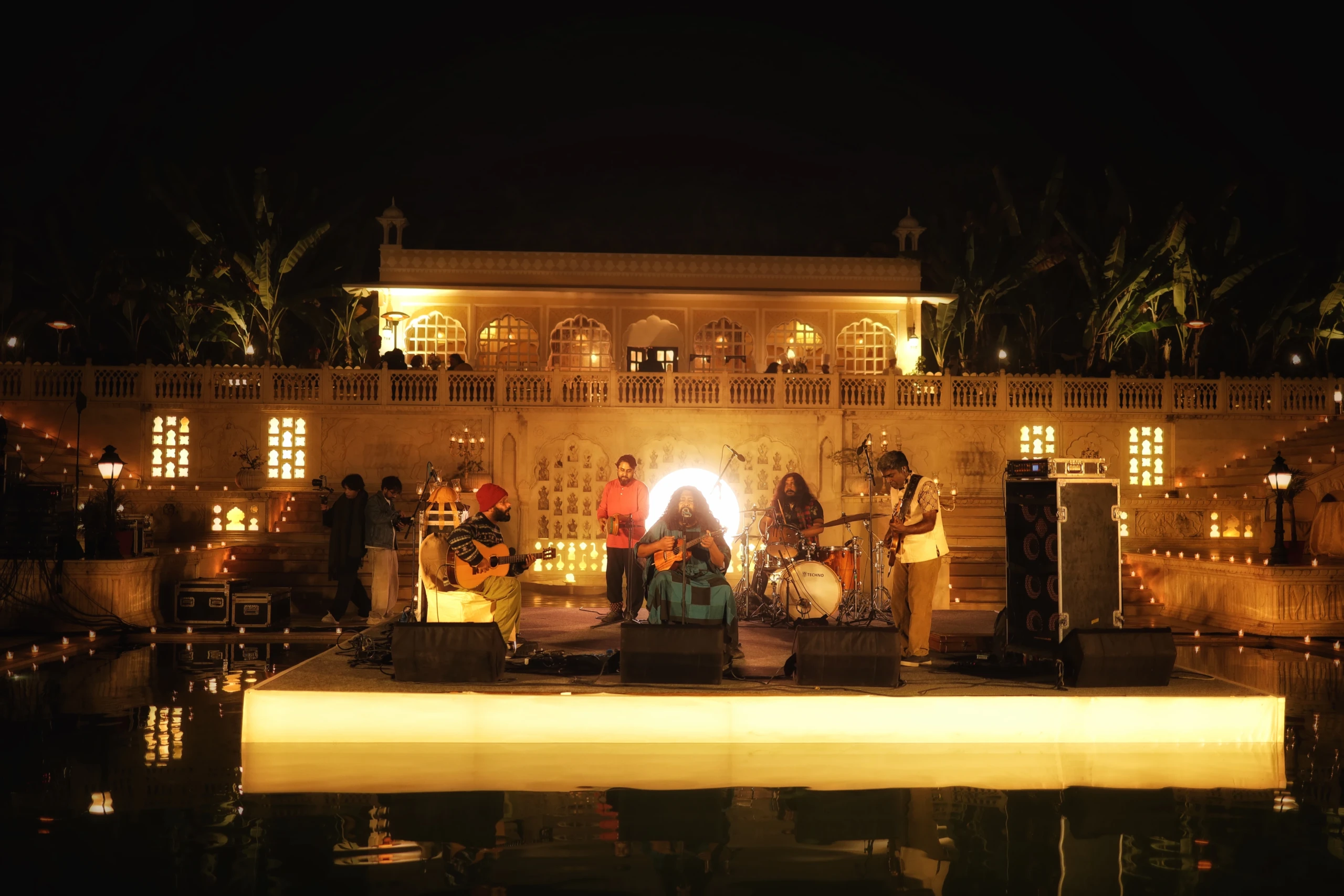
Take Durbar by Godawan, for instance. Created in 2024 for the artisanal single malt brand Godawan (owned by Diageo India) by SPONCO, a sponsorship management service, this intimate festival is held at the stunning Abheygarh Palace in Khetri, Rajasthan. Warren De Sylva, co-founder of SPONCO, says, “The vision here was to create an experience that best reflected Godawan’s persona. The brand is rooted in Rajasthan and has been funding efforts to protect the endangered Great Indian Bustard, so the festival is built around the core ideas of wildlife conservation and preservation of heritage.” Think folk music, craft workshops, heritage walks, wildlife documentary screenings and curated culinary experiences.
At ₹1.2 lakh per person for an all-inclusive package (two-night stay at Abheygarh Palace with access to all events and performances), the tickets don’t come cheap. Yet, they sell out in three days, once the dates are announced. “We want to retain the intimacy and laid-back pace of the experience, so for us, the challenge really is to not give in to the temptation to grow bigger and accommodate more than 180 people!” adds Warren.
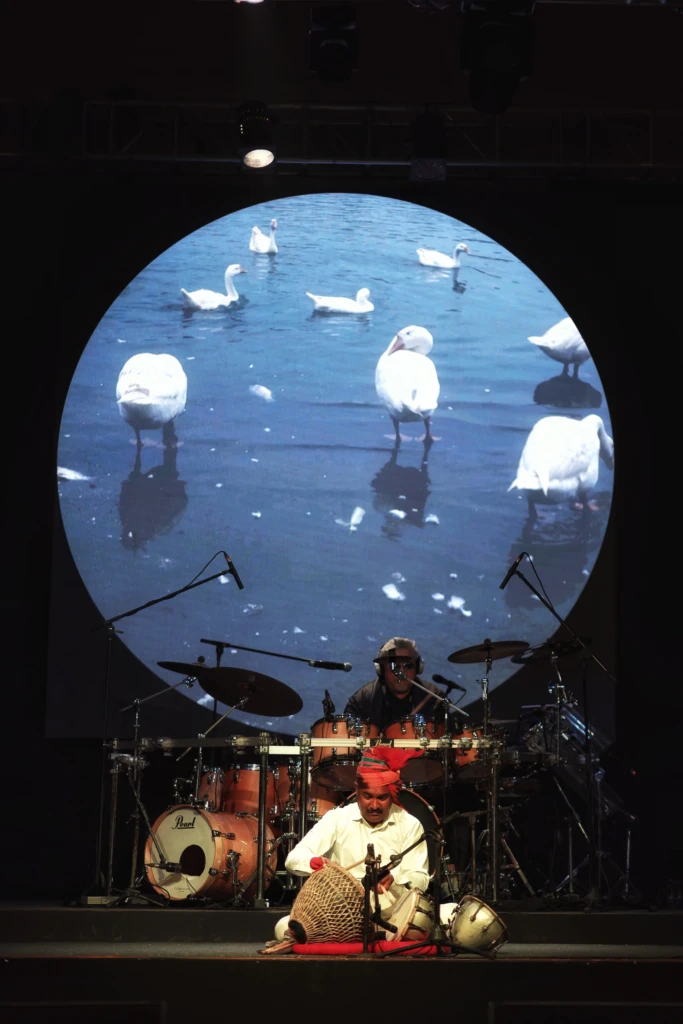
Festivals like Durbar are part of a new wave of boutique experiences that prioritise mindful curation over scale, drawing in culturally curious people who don’t mind travelling and paying a premium. According to BookMyShow’s Throwback 2025 report, over 5.6 lakh Indians travelled across the country to attend concerts in 2025.
The numbers point to a surge in India’s concert economy. An EY report (“India’s rising concert economy: A new era of live entertainment”) notes that India hosted 70 to 80 concert days in 2024, and the organised live events industry was valued at ₹20,861 crore, projected to grow by 15% annually. That year, ticketed music events alone generated more than ₹1,300 crore in incremental revenue. The trend has also drawn the government’s attention. In May 2025, the Ministry of Information & Broadcasting commissioned its first-ever white paper on India’s concert economy and infrastructure, titled India’s Live Events Economy: A Strategic Growth Imperative. Two months later, it established a Live Events Development Cell to accelerate the sector’s growth.
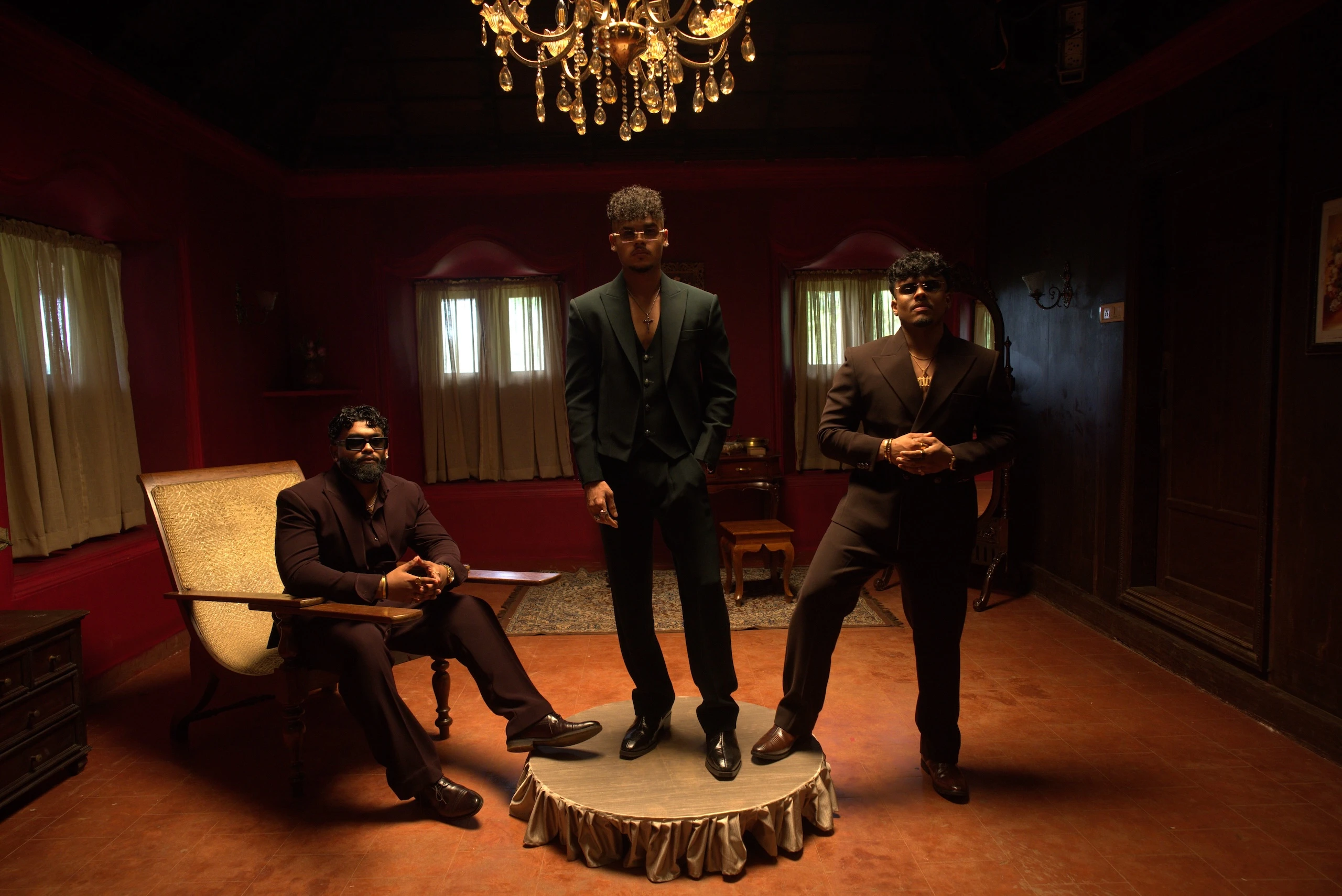
The appetite for live music, meanwhile, is growing well beyond India’s metros, and finding a place in experience-driven festivals in smaller cities. In Kochi, Mathrubhumi, an over 100-year-old media house, has been curating Kappa CULTR, a cutting-edge electronic music festival, for the last three years. The festival grew out of the publishing house’s Kappa youth-culture platform and its earlier indie music property, Mojo Rising. In 2023, Kappa expanded into a production house and music label, and in 2024, CULTR emerged as its experience-led festival property.
The festival has a larger ambition at its core: to put Kerala on the global festival map. “Kerala has a very strong cultural and musical identity, and we’re interested in seeing what happens when that meets the wider electronic music ecosystem,” say Mayura Shreyams Kumar and Devika Shreyams Kumar, festival co-founders. But why electronic music? “Electronic music felt like the right space because it’s constantly evolving and doesn’t really have fixed boundaries. It can be intimate or massive, raw or futuristic, minimal or completely chaotic. That openness gives us a lot of freedom to experiment with the music, the visual language and the overall festival experience. For us, it’s not merely about putting together a lineup, but creating a world that people can step into for a few hours,” they add.
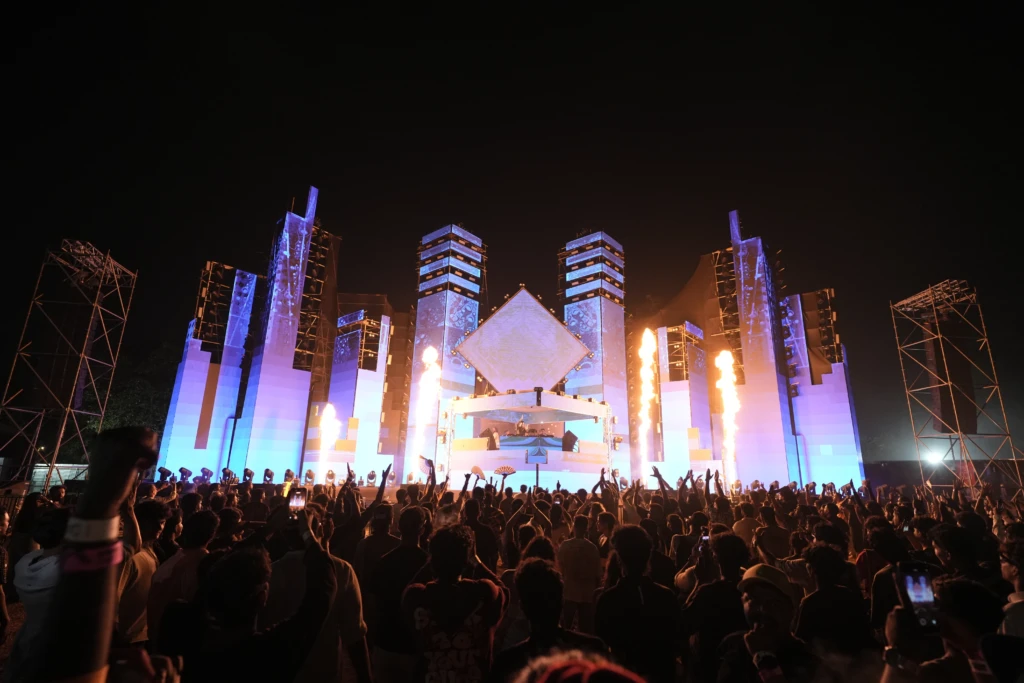
The endeavour seems to have paid off. The 2026 edition recorded a footfall of about 15,000 over three days, the highest so far, and festival passes are priced at ₹5,000 onwards.
Tasnneem, Bengaluru-based producer and DJ, has been performing at festivals and clubs across the country for over a decade and has just launched her debut EP, Sugar Rush. She says part of the appeal of performing at CULTR is the setting—in this case, the striking Bolgatty Palace, an 18th century Dutch mansion (now a heritage hotel) on Bolgatty Island. “I played at the waterfront against the backdrop of the setting sun, and it was lovely. I also got a sneak peek into the state’s musical sensibility, its taste in fashion, and discovered new artists,” she adds.
For Abhishek Bhatia, the genre-defying musician behind Curtain Blue, the venue and vibe of a festival are as important as the performance. He ranks Akasa Gathering in Karu, Ladakh, among his favourite recent festival experiences. The festival brings together wellness, music, and art through workshops, nature walks and star gazing. Abhishek performed his latest single “Yeh Duniya” live at the inaugural edition of the festival in September 2026, and the experience was surreal. “I liked the boutique-ness of the festival, the close-knit community, and of course, the joy of performing in one of the most beautiful places on earth!” he says. The festival was a natural fit for the kind of music Abhishek makes. “I didn’t have to tweak my set to match the festival vibe; it worked so organically. The venue is hard to reach, but it’s worth it. The sound and lighting were on point, and the arrangements were fantastic,” he adds.
While brand-owned festivals such as Durbar and CULTR have substantial operating budgets, sponsorship and funding remain concerns for some niche festivals. Zorawar Shukla, actor, musician, DJ and founder of Goa Sunsplash, a reggae festival, knows the squeeze well. “It’s not easy putting together a reggae music festival in India. It was not a popular genre when we started out,” says Zorawar, who also founded Reggae Rajahs, a reggae and sound system crew in 2009. “We’ve run on goodwill and community involvement. On some years, we just about broke even, and on some, we didn’t. But we’ve always made sure it’s sustainable and everyone is fairly compensated,” he adds.
Goa Sunsplash began in 2016 and, after a brief hiatus during the pandemic, moved to its current home, Thalassa Beach Boutique Resort in North Goa. The two-day festival now draws over 2,500 people, with passes starting at ₹5,000. Zorawar credits its survival to restraint. “We started small and didn’t overstep in the initial years, which is why we’ve managed to sustain and achieve what we set out to do. Over the last few years, we’ve had solid event partners, a perfect venue by the beach, and we aren’t as pinched anymore,” he says.
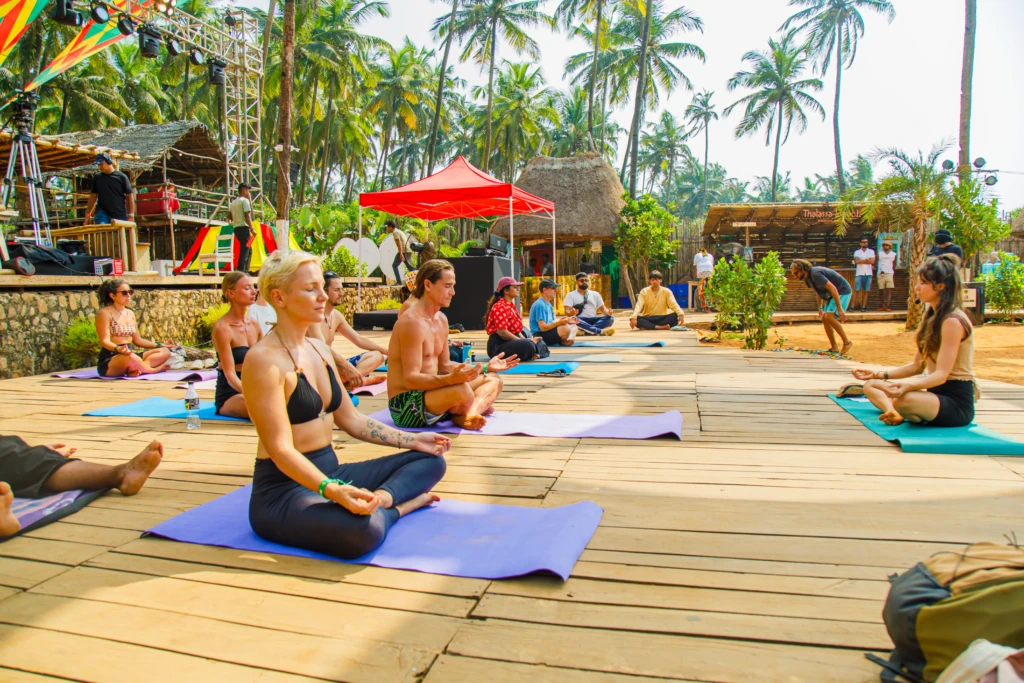
Besides bringing reggae bands from around the world to India, Goa Sunsplash makes room for the subculture around dub, dancehall and sound system, with art, workshops, Jamaican dance and talks on socio-political issues. The state, though, is not an easy host. “It’s a volatile place to organise a festival,” says Zorawar, “You must be prepared for every eventuality. Navigating government approvals and permits continues to be challenging. But Goa is one of the few places in India where alternative culture thrives, which makes it ideal for reggae music.”
New entrants face a different set of hurdles. Tanya Jain, a musician who is busy putting final touches to the first edition of Cicada Festival, a camping and music festival near Palampur in Himachal Pradesh, says, “We are just starting out, so we’re not majorly funded at this point. We are also working out the logistics around things like waste management and effective communication.” The nature-focused festival features folk and rock music, forest walks, guided meditation workshops and interactive art installations.
With a wide spectrum of festivals across budgets and geographies, there is no single formula for success. While some festivals choose to remain exclusive and intimate, others are looking to grow while retaining their essence. “In the long run, we’re trying to build something that is commercially sustainable yet still feels open, exciting and accessible to the audience. A festival must be able to evolve – you can’t simply repeat what worked the year before,” say the founders of CULTR.