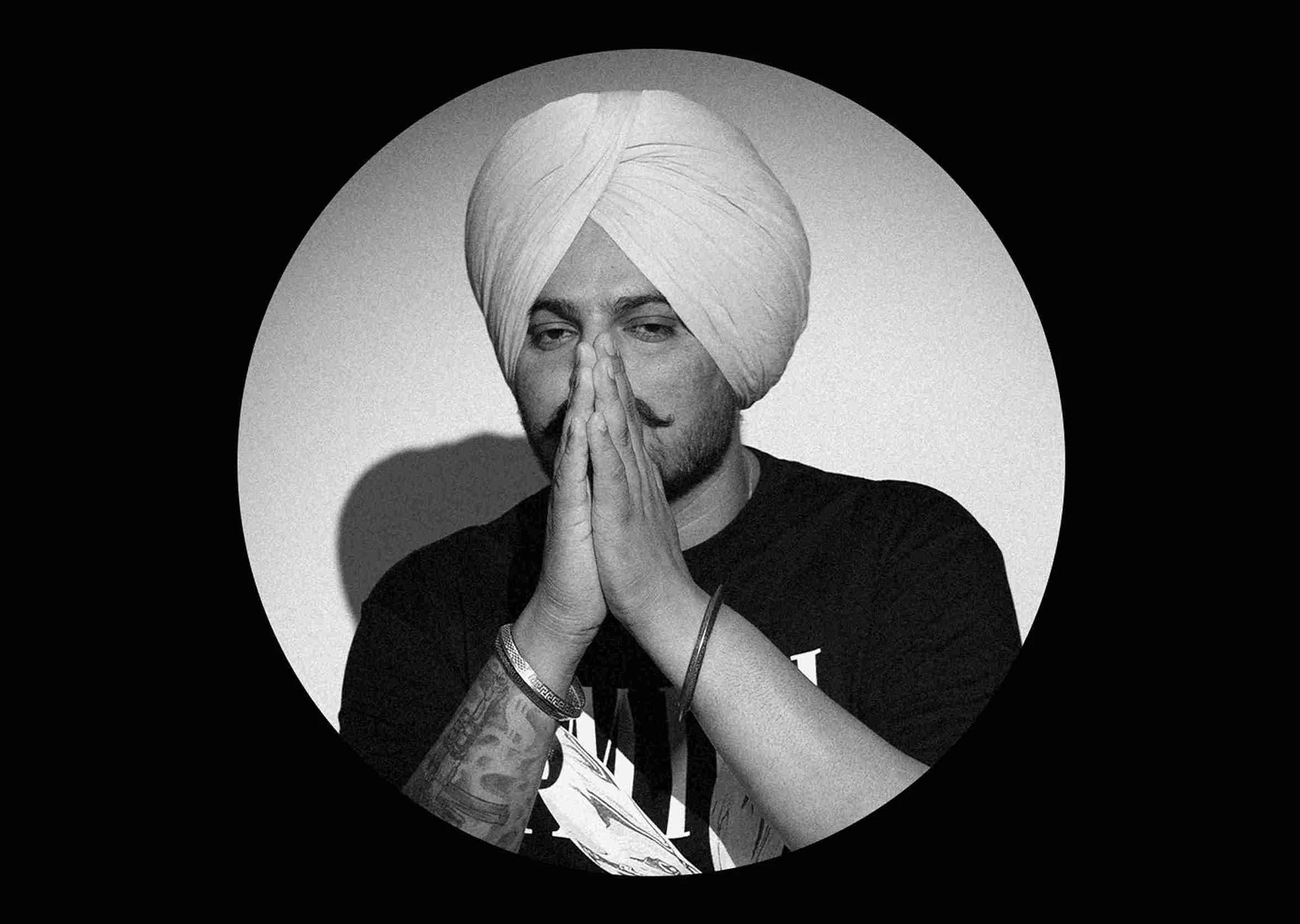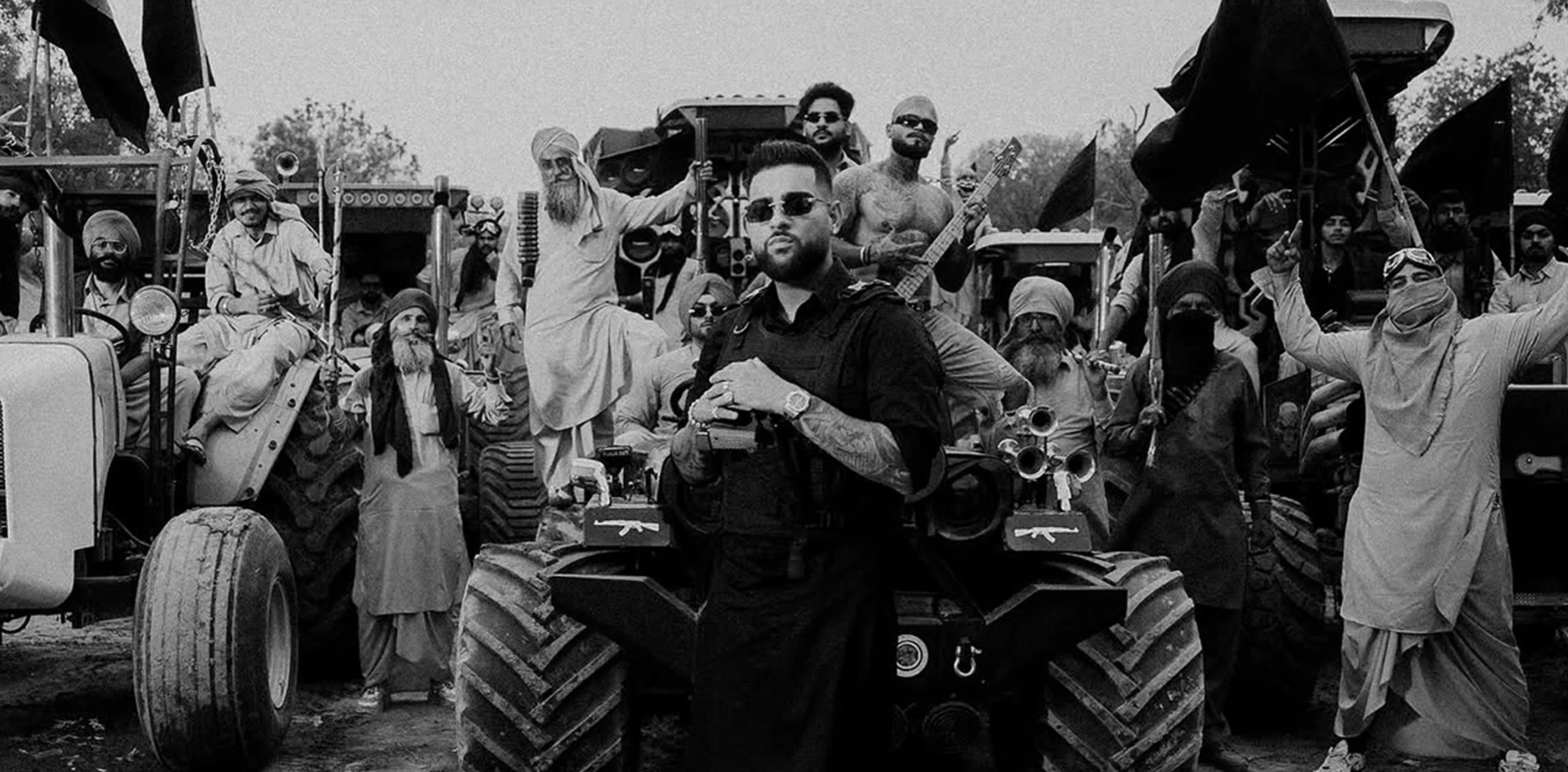
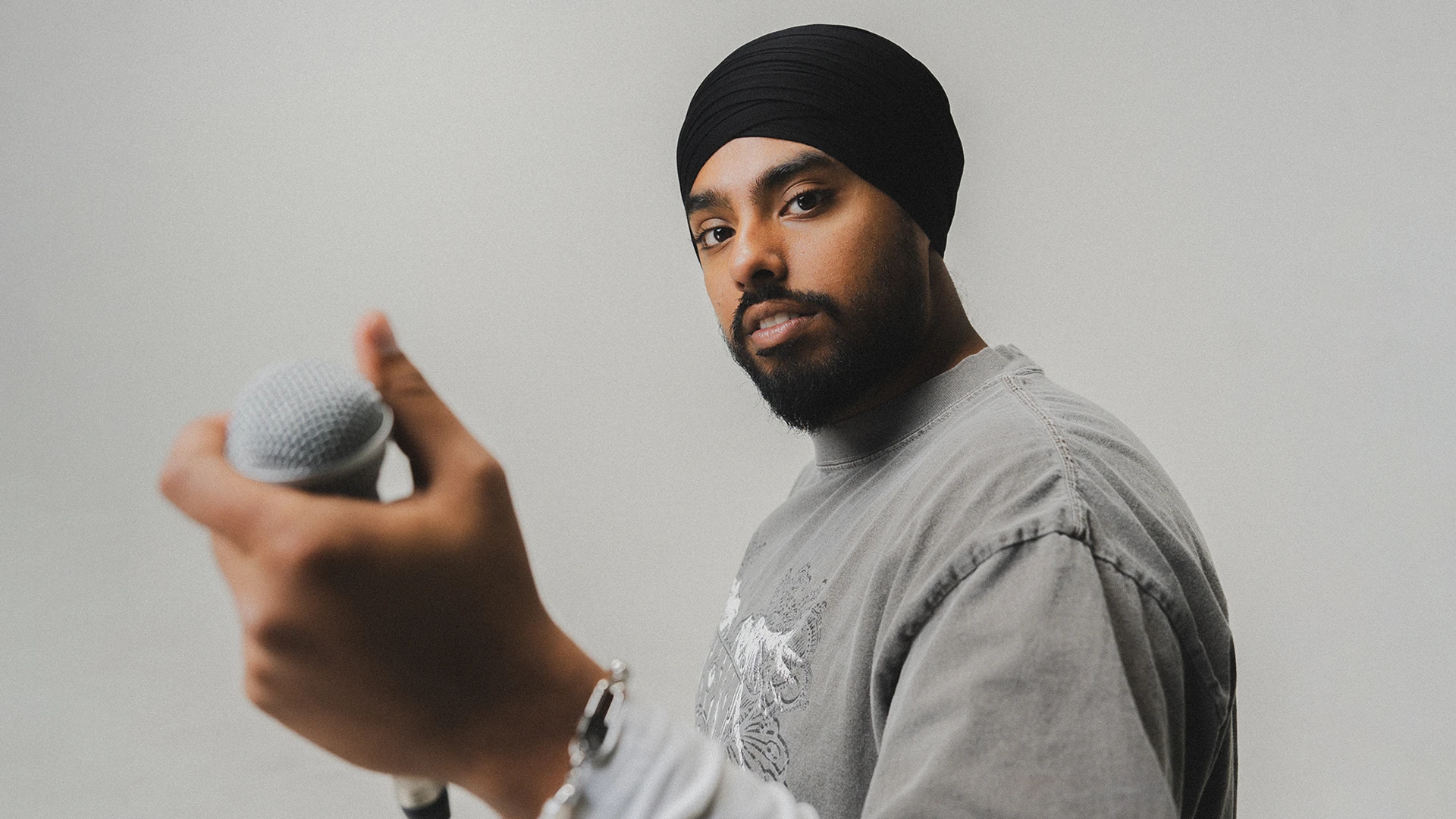
Canadian producer Ikwinder Singh, who goes by the stage name Ikky, has a unique gift. He’s inherited his father’s solid understanding of Punjabi folk while being raised around the influence of global sounds. His ability to put both these together has landed in successful collaborations with artists like Diljit Dosanjh, Shubh and Sidhu Moosewala. That said, Ikky admits that his partnership with Karan Aujla is special and difficult to replicate.
Billboard India speaks to Ikky a few hours before he sets off to Australia, where he and Aujla will be taking their successful album “P-Pop Culture” to wider shores. He talks about marrying the ‘pendu sound’ with more cultures, and why he’d always be indebted to Punjabi music superstars Jazzy B and Sukshinder Shinda.
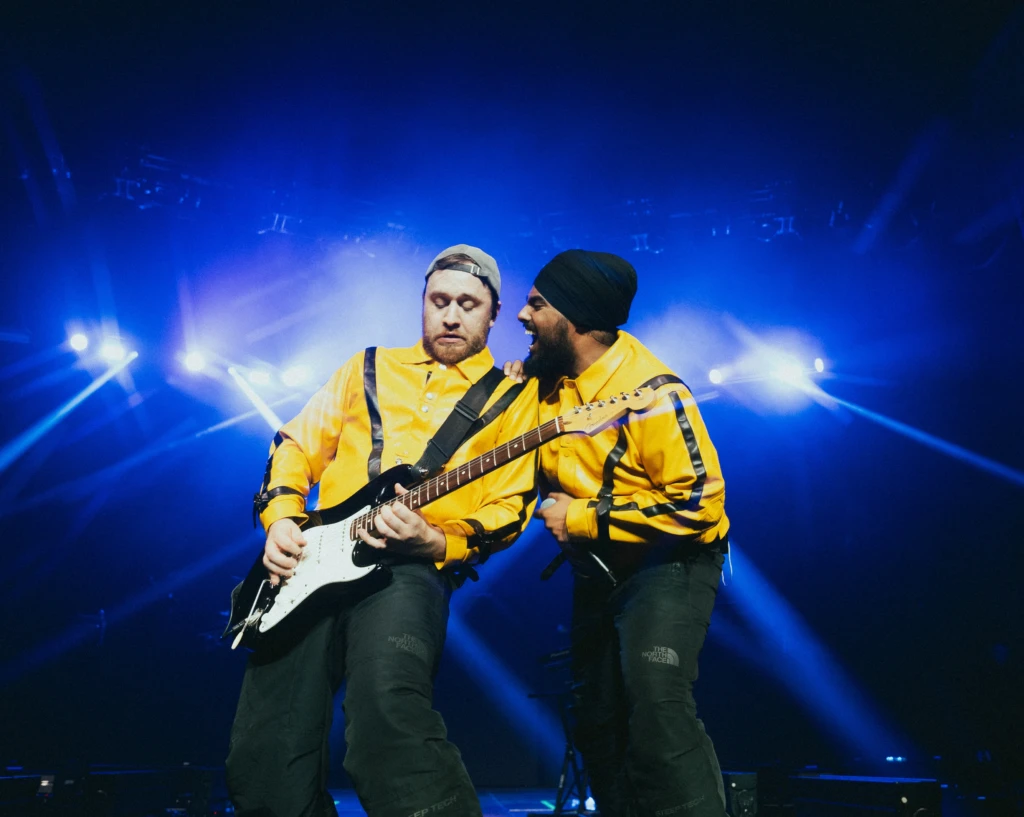
You’re Canadian, but you’ve got the gift of Punjabi folk from your father. At a point when we’re seeing so many Punjabi artists break out globally, is it fair to say that they all need an Ikky in their lives right now?
Yeah, it’s a blessing for me because I’m able to understand both sides of the world a little bit. I am Canadian but I’m really desi. I’m able to fluently speak in Punjabi with those guys, and on this end, I can speak English and do what I need to. I think yeah, it would be awesome for everyone to have an Ikky. [laughs]
I’m just a really big fan of music, so I can combine the pendu sound with anything. I’m glad I’m able to sort of push the boundaries in that aspect. I feel like when we’re from a certain place or we represent a certain genre, you kind of get limited. But we’ve been able to build a reputation of being the guys who keep the tracks interesting and keep experimenting.
You’ve said that you were the turbaned guy in the scene amongst a lot of non-turban guys. Is there an artist that made you feel seen when you were growing up?
It was cool because when I was a kid in Canada, let’s say elementary school, that’s about the time that Jazzy B and (Sukshinder) Shinda were really popping. It was cool because somehow, without even introducing them to my non-Punjabi friends, they knew those songs and records. I think that really allowed me to feel like there wasn’t a big difference [between us]. Shinda also being a pagg guy for his whole life inspired me to do that. I like to think that if I can keep my music clean and sabhyacharak and can keep it a little more about progression and the future, I think it represents the pagg really well too.
Have you ever had the chance to tell Jazzy B about the influence he’s had on you?
I’ve met him probably 10 times and I’ve told him the same thing all 10 times. I’m very appreciative of everyone that has opened the doors for guys like me to come in and there’s tons to learn from those guys.
For “Baller” you just texted Shubh on Instagram. Is that all it takes to reach out and collaborate on a song?
That’s the power of the internet, right? I think that was like in 2021 and at that time more than any other, it was important to be online and make your connections. In the time where no one could see each other, it worked out really well to be able to do this. I was in India at that time and Shubh was in Canada.
I always wanted to work with certain people and instead of waiting for someone to connect us, I would just DM them. It was the same thing with Karan [Aujla]. I’ve known him since I was 15-16 years old. At that time, he was living in his own part of the world and I was living where I am. So what do you do? You just message each other. For years it was maybe hard for myself and my ego check to just DM people but I realised that’s not the way. If I want something, I have to go get it for myself.
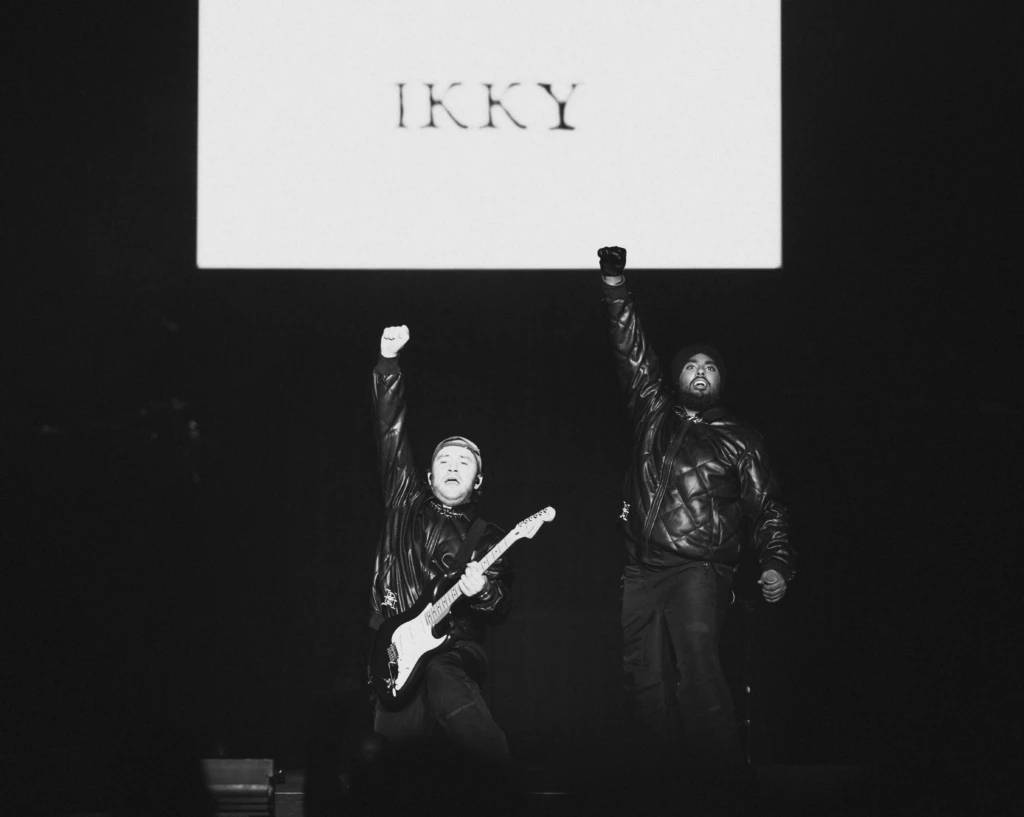
As you work between Canada and LA and other parts of the world, what are the conversations you’re hearing about Punjabi music in the rooms that matter? Is there a shift?
Yes. I mean from all ends – whether it’s us guys as Punjabi artists that are exporting the music or if it’s labels and other countries that are willing to help us do that, it’s all been just years in the making. None of this is something that you can do besides you earning it, right? That was just a personal choice for a couple of us that, okay, we know we could do damage in India from our past experience and that’s our main motivator. But how can we scale this globally? How can we be in Australia touring at the level that we are? Because that wasn’t for us. At least for me and Karan that wasn’t happening five years ago so it was up to us to figure out how we scale this and how do we give our music the widest audience that it can get? So I think both sides are working very hard to blow this thing beyond what it already is.
How do you blow things up? What’s been your biggest learning about the business?
You know what? I do really do like to treat the music that comes out as like a business. I think if you can set yourself goals and deadlines, then you’re prepared for making the albums, you’re prepared to promote the albums, you’re prepared to tour the albums. From “Admirin’ You” all the way till “P-Pop Culture”, most things have been planned a year to two years in advance. Even if it’s just dreaming, at least we put our dreams to paper and said, ‘okay cool we’re going to drop “Making Memories” and then every two years we’re going to drop an album’. So to stick to that has been the business plan. I think that’s allowed us to have a lot of success.
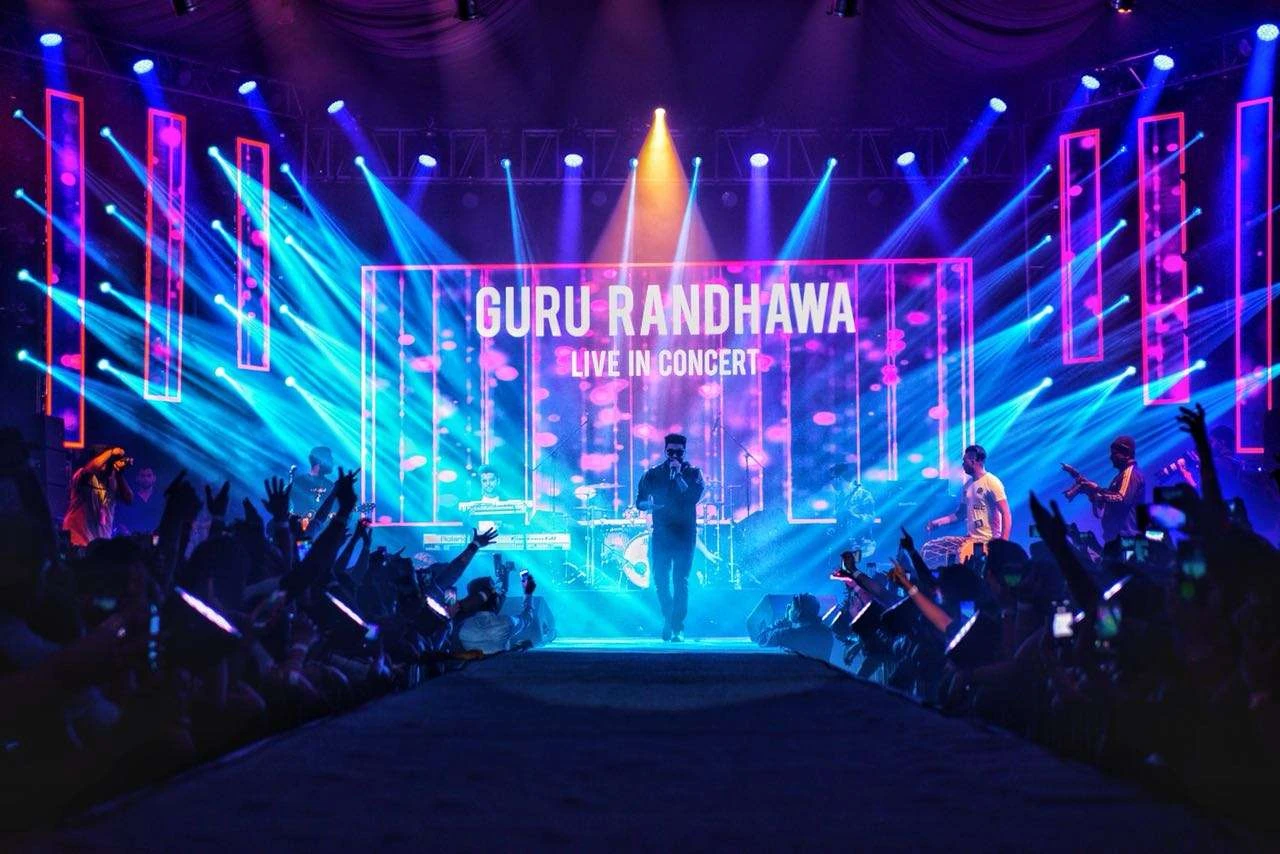
I would say even as a producer, there wasn’t much of a touring circuit. Coalition, my managers, were able to inspire me to get on stage and them knowing the business allowed us to create a valuable touring presence and that might have not been the case before the last couple years.
I think I learned that if we make a good song, we have to promote it. We have to talk about it, we have to tour with it, and make it sound good on tour so people that haven’t heard it maybe listen to it on tour and go like ‘oh my god, what song is that’. I think everybody everybody kind of makes the records and then they forget that there’s still work to do.
You’ve worked with so many artists but it seems like what you have with Karan is different. Is it more trust or do you just get each other better?
You could say that Karan and I have the advantage of knowing each other for so long. I’ve known him since I was 16, that’s about 9 years. At 16, I was a nobody and he’s been able to see me grow into what I have become and I’ve been able to see him grow. It’s easier to relate with that. You both know, okay you’ve been through something and got out of something or you got into something better… we’re proud of each other and trust each other. We know that this person is not going to let me down. That trust goes 9 years back. Just like any other friendship or even family, we have our ups and downs but that’s our good part. We know we’re gonna have it.
What’s a creative risk that you and Karan have taken that you’re most proud?
“Admirin’ You”. As soon as we made “Admirin’ You”, we knew there was something special about it. But there was hesitation because it was very not me or Karan. So to get over that sort of mental block of whether people are going to like this or not, and just give it a go… Since then I’ve been able to take a lot more creative risks because that first one was so big. We thought maybe it’s actually better that we do experiments rather than things that people are going to like from us.
Do you ever get calls from other artists saying, do for me what you’ve done for Karan?
Yeah, absolutely. But it’s not that easy right? It’s not what I’ve done for Karan. Karan and I were just able to get into the studio and figure it out in a couple of days and those 2-3-4 sessions a couple of years ago ended up in a relationship this long. There was not much fame or light on us while we were working but patience was the most important part of Karan and my relationship – that if we can patiently figure out the sound and spend all this time trusting each other, figuring out what’s the bigger picture, I think that part is most crucial. I’m not saying that people don’t have the patience for it, but Karan and I already have a 9-year advantage. I’m going to have to work another 9 years with somebody to get to this point.