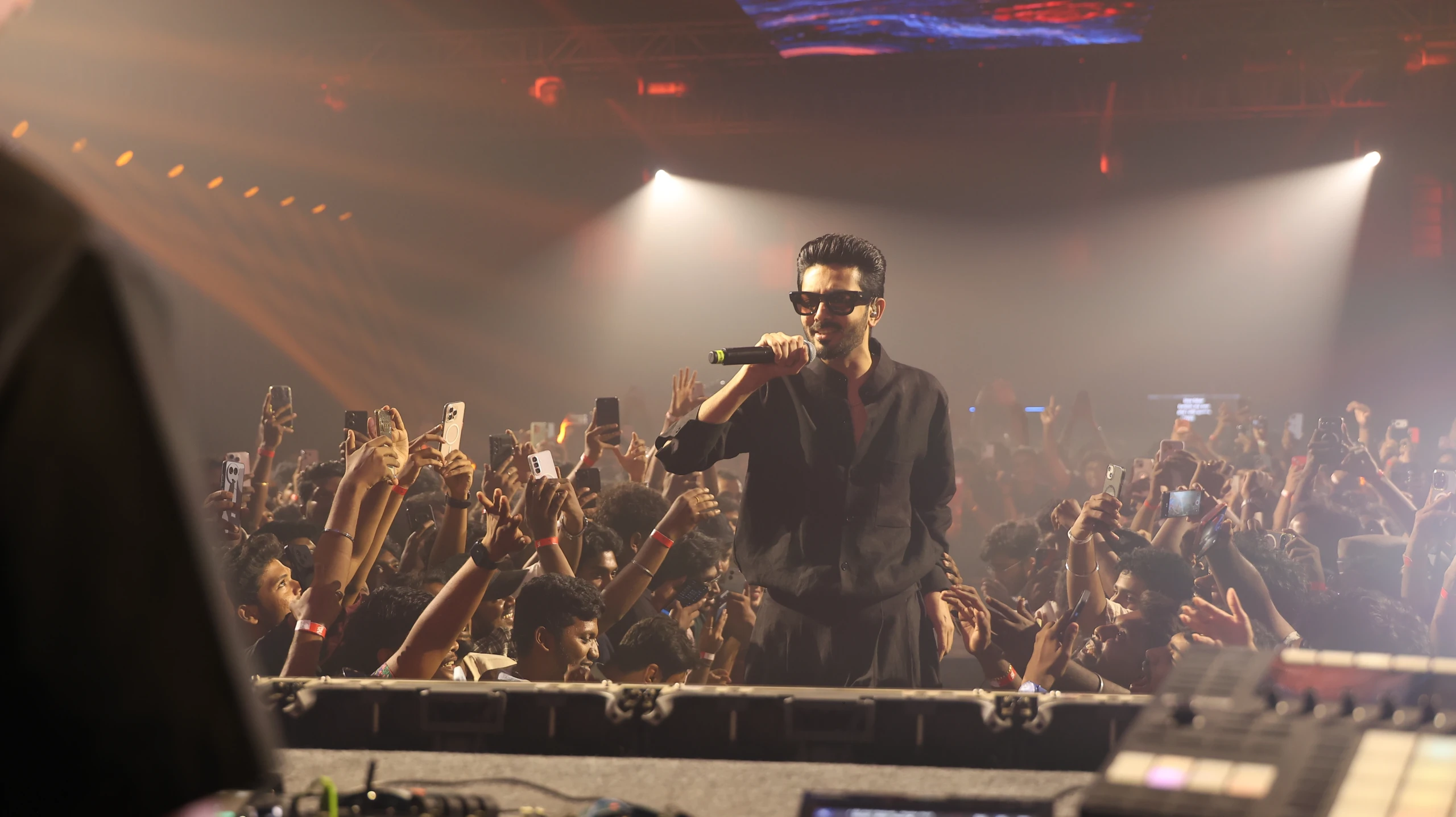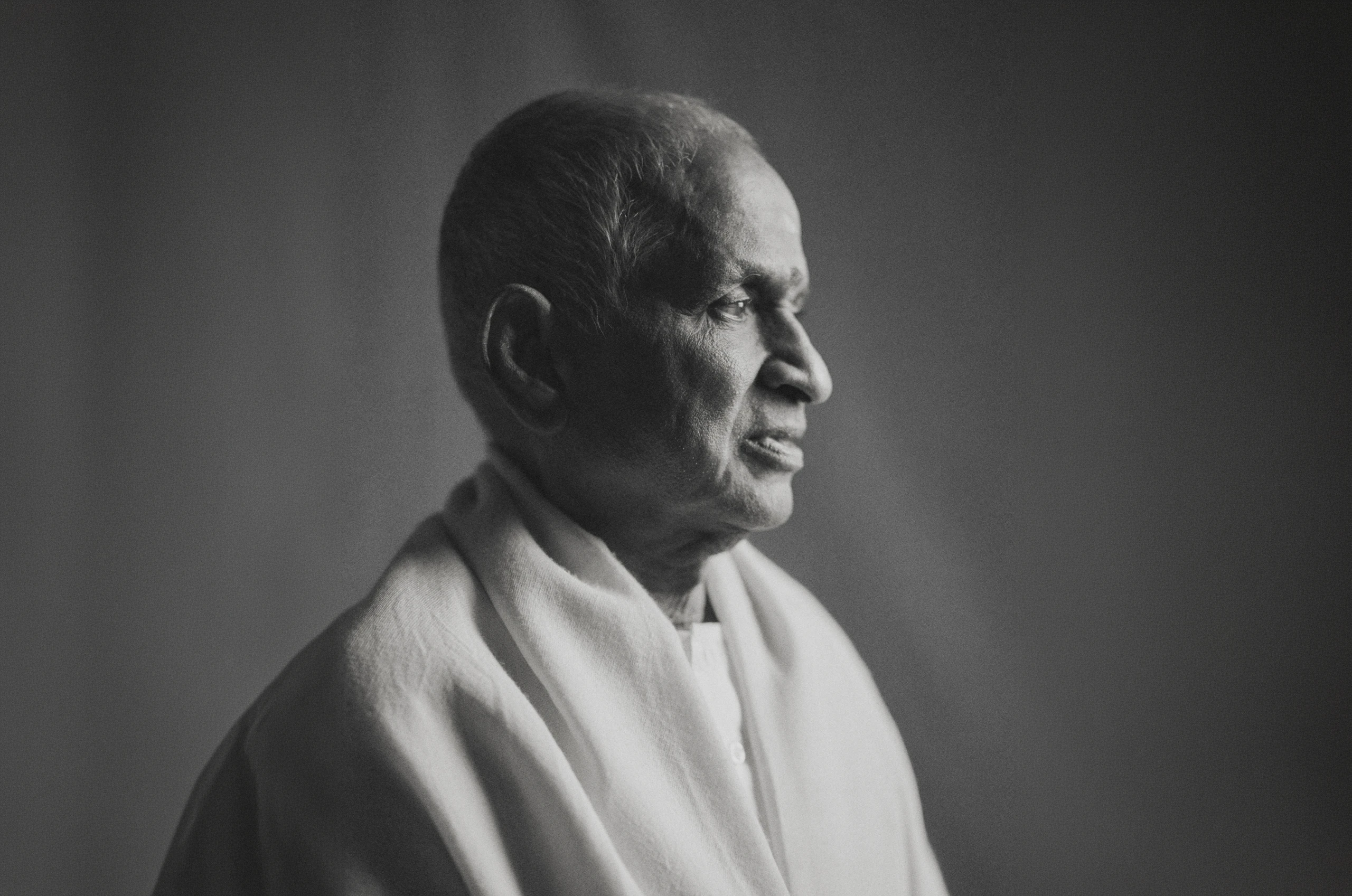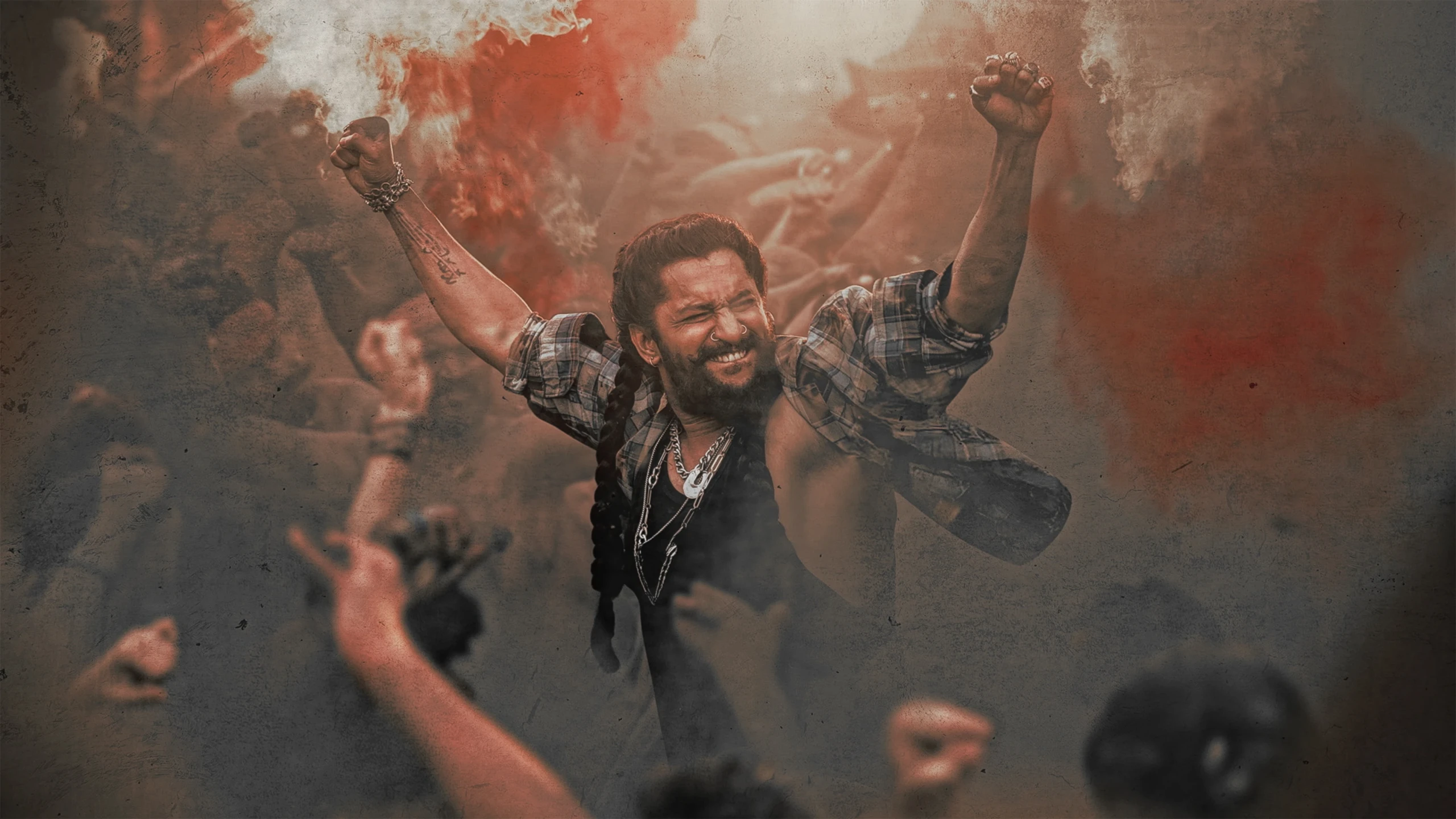
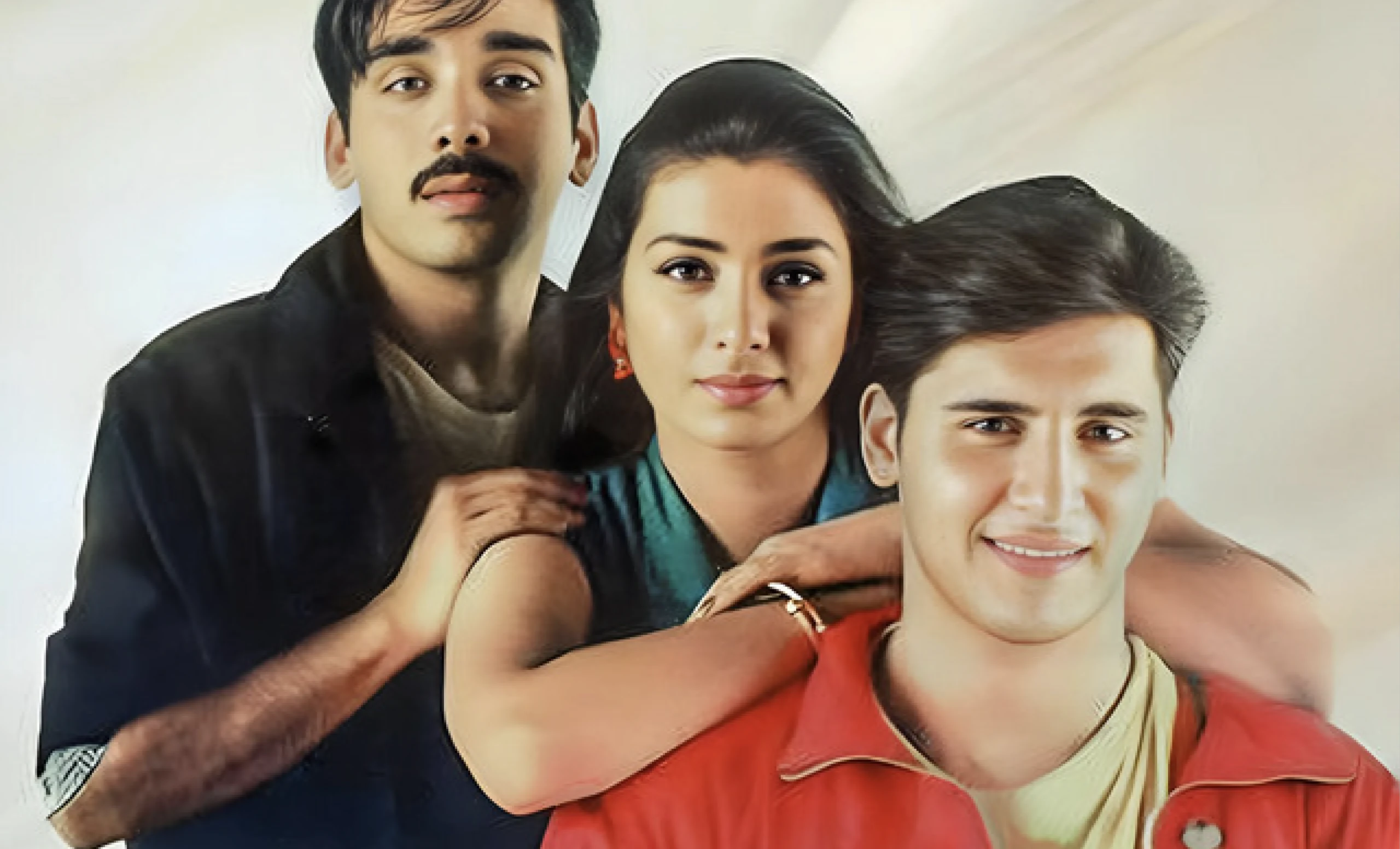
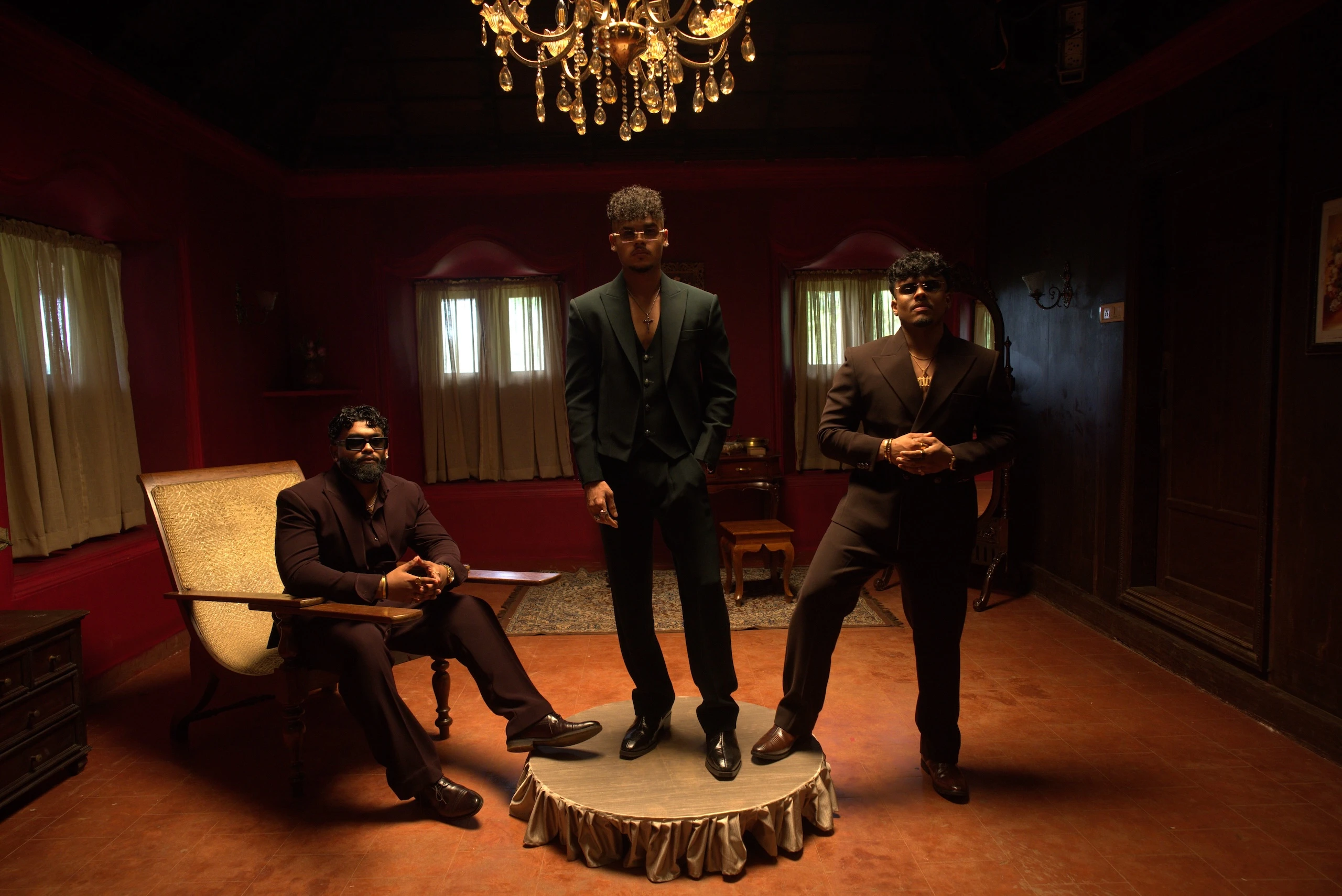

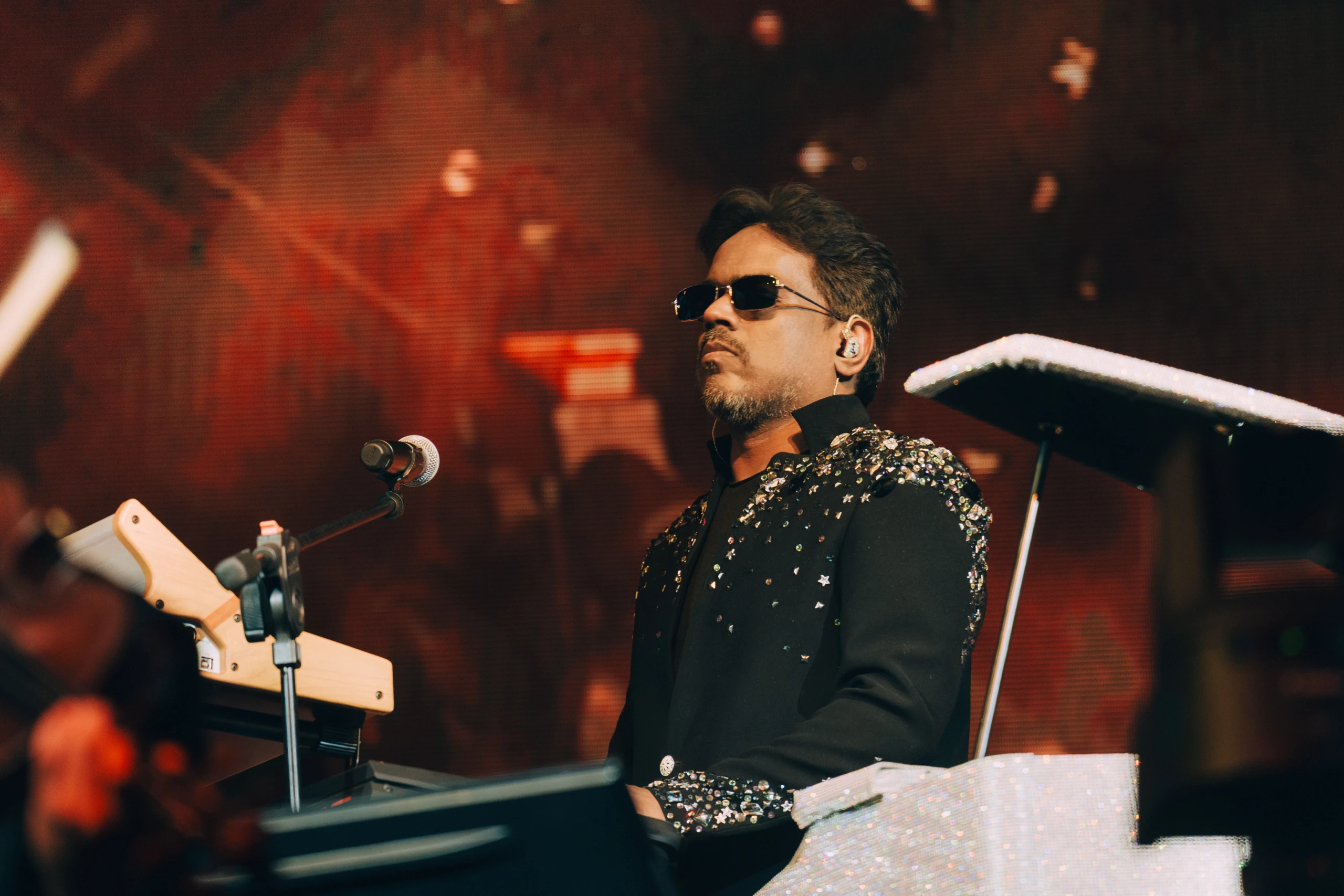
It’s just a day after a hit concert in Chennai but Yuvan Shankar Raja hardly seems like the exhausted person you’d imagine after pulling off a sold out show. Instead, the star composer only appears to have energised himself after the showing. As he settles down for a chat, he looks restless in the best way and is determined to take music across all boundaries of the industry. The concert, titled ‘Walking Through The Rainbow’, featured just the composer’s background scores, an experiment that’s right on brand for an artist often called ‘BGM King’.
Edited excerpts from the conversation with Billboard India:
When one thinks of a concert by a star music composer, we first think of the experience of listening to their hit songs as a part of a crowd. But to pull off a concert with just background scores is a big departure from that tradition. Now that people have loved it, do you feel relieved or do you feel you could have done this before?
I’ve always only followed my instincts with music. I don’t like putting myself or my music into a box. That ‘Walking Through The Rainbow’ was something attempted for the first time in India, was what gave me the rush. The whole idea was to take music out of the film and see if it still speaks to you; no scenes, no dialogue, no lyrics. Just the score and the emotion. So when I saw the response in Chennai, I didn’t feel relieved. I felt charged. For me, it wasn’t “thank God this worked.” It was “okay, how far can we take this now?” Could I have done it earlier? Maybe. But I don’t think music works on a timetable. I did it when I felt it. And right now, I feel like we’ve only just opened the door.
The concert was also experiential, with several sensory emotions. What were some of the challenges in its execution?
The challenge was taking music that already had a world around it and creating a completely new one. These scores were written for specific scenes, characters and emotions. With ‘Walking Through The Rainbow’, I wanted people to experience them beyond listening. The sound, the space, the visuals and the atmosphere had to make you feel like you were inside the music. But I didn’t want the sensory experience to tell people what to feel. Music is very personal. The same score can mean something completely different to two people. Everything around the music had to heighten that emotion without defining it. There was no real reference point, so we had to find our own language.
Can you name the BGMs you enjoyed most during this revisit? Do you feel like, with experience, you were able to work on them again?
The score of 7G Rainbow Colony was special. During rehearsals, hearing the orchestra bring those notes back to life, I remember thinking, “I composed this two decades ago!” It made me smile. Mounam Pesiyadhe, Pudhupettai, Kadhal Konden, Kattradhu Thamizh, Vallavan, Mankatha, Billa, Manmadhan, Nenjam Marappathillai, GOAT, and Love Today all come from different phases of my life. I wasn’t trying to improve or correct them; each piece belonged to its own time, I wanted to preserve that.
In this revisit, did you come across tunes or tracks that you’d somewhat forgotten?
I may not always remember which film a tune was composed for, or the exact sequence it belonged to. The music may be somewhere in my memory, but the film, situation or scene connected to it can sometimes escape me. While going through almost three decades of scores, the team would play something and I’d recognise the tune, but not necessarily remember its context. Sometimes I would remember the emotion or a particular phrase, but not the complete situation. Once they reminded me of the film or the scene, everything else would slowly return to the sequence, the characters, the reason the music was created that way.
Because this was the first time someone was doing this, did you worry about alienating fans of the songs?
Not really. The moment you start wondering whether everyone will come with you, you become too careful. I’ve always followed where the music takes me. Now, I’m actually thinking beyond the audience that already knows my work. Someone in London, New York or Tokyo shouldn’t have to know films like 7G or Pudhupettai to connect with it. They should be able to walk into a concert, hear it for the first time and feel something. That’s the ambition. I want to take these scores into concert halls and stages around the world and let them exist as music in their own right, not only as Tamil film music. If someone discovers Yuvan through ‘Walking Through The Rainbow’ without ever having watched one of those films, that would be very exciting to me.
I was told that the process of selecting scores took you through your entire career. Were you transported to the time you first thought of those tunes?
Yeah, definitely. I actually don’t go back and listen to my older music. I usually move on. There were moments where I asked, “Oh, I did this also?” Some pieces take you back immediately. You remember the film, that phase of your life, sometimes even what you were going through. For this first show, we chose scores from 18 films. But that’s not the repertoire. That’s just where we started. The idea is to keep building. There are scores from almost three decades to bring into this world, and there will be new music added to this as well. Depending on where we’re playing and what I’m feeling at that point, we can keep reshaping the show.
But it’s also not just about nostalgia, right? You also played several unreleased tracks, including music from a future project, Raja’s Playlist…
That’s actually one of the most exciting parts for me. With an older score, the audience already has a relationship with it. But when I play something unreleased, there’s nothing attached to it. You’re watching that relationship begin in front of you. And I think that’s also where I am as an artist now. I have almost three decades of music behind me, but I don’t want that to define what I do next. I’m writing new music, exploring independent music, collaborating with different artists and looking at things beyond the way I’ve traditionally worked in cinema. I want ‘Walking Through The Rainbow’ to reflect that. It can carry the music people grew up with, but it can also be the first place they hear where I’m going next. It’s not to just celebrate a catalogue; it should expand it.
When we spoke yesterday, I mentioned how YouTube and Instagram are filled with Reels from the concert. So many of them from the Gen Z. What does that say about the agelessness of your scores?
A lot of them weren’t even around when some of these scores first came out, so they’re not coming to the music through nostalgia. They’re making their own connection with it. And today, music travels differently. A score I wrote for a Tamil film 20 years ago can suddenly reach someone through a Reel or an edit, anywhere in the world. They may not know the film, the language or even where the music came from. They just know that something about it connected with them. That changes the possibilities for me as a composer. The film may have been where the music started, but it doesn’t have to be where the music ends.
Because these themes were being played outside the context of a film, a situation or dialogue, did you feel that it opened them up to completely new interpretations?
Absolutely. When I compose for a film, the scene and the characters guide the music. I’m composing for that one moment, so the story gives it a particular meaning. But when the scores are played live, that context falls away, people hear it in their own way. They give it a meaning of their own.
I love watching that from the stage. Thousands of people were reacting to the same piece in completely different ways. Some became emotional. Some smiled. Some screamed when they recognised the first few notes. The music was the same, but it no longer belonged only to the scene I had composed for. People had connected it to their own memories of a difficult time, a relationship, a place or a happy moment. You don’t really experience that in the studio. When I’m composing, I’m focused on serving just the film. But live, the music comes back to me through the audience. I may have composed a score for one scene 20 years ago. But now it returns carrying 20 years of someone else’s memories. It may have started as music for a tragic moment, but for one person it becomes comfort, for another it becomes joy.
You have also been known to be quite the rebel, and you’ve not been trained traditionally in music. How much has that helped in creating your own soundscape?
Maybe not knowing all the rules helped me. I never approached music thinking, “this is how it’s supposed to be done.” I would hear something, feel it and try to be there. I never consciously tried to be a rebel; I just didn’t like doing things because they were accepted. That gave me the freedom to move between electronic, orchestral, raw sounds like Paruthiveeran, intense music like Mankatha, and complete minimalism without worrying where they belonged. For me, every soundscape has its own emotional world. Sometimes that comes from the instruments, sometimes from the silence between them, and sometimes from how a sound sits against the visuals. I’m trying to create a space the listener can enter, not simply add music to a scene. I don’t want to define a Yuvan genre. The moment I define it, I’ll probably want to break it again.
Are there songs or themes that have taken on a different meaning for you over this time?
“Oru Naalil” is one such song. So many people have told me that they return to it during the most difficult periods of their lives, including times when they were living with depression or experiencing thoughts of suicide. You cannot plan to reach such depths when you’re composing. It reminds you that people may be carrying pain that isn’t always visible. More than a song to me, it has become a quiet companion in people’s darkest moments. If someone is struggling, I hope they know they don’t have to face it alone and that reaching out to someone they trust or to a mental health professional can help.
You have addressed mental health earlier as well. Is that because you believe in music’s healing powers?
I don’t know if music always heals you by taking the pain away. Sometimes it just sits with you. It becomes a companion. If I’m sad and I listen to the right song, it can take me deeper into that feeling. It may even make an emotion like loneliness feel stronger, but there’s some comfort in it. And sometimes, when you’re in a very heavy mood, another song can slowly bring you out of it. It can calm you down, reduce the noise in your head and give you a little space to breathe. That’s what music does. It may not change the situation, but it changes the way you go through it. It makes the pain a little easier to understand. Sometimes it makes a difficult night feel less lonely. Personally, when I’m really down, I become more spiritual. I pray more.
But mental health needs to be discussed more openly. Sometimes music helps, sometimes prayer helps, sometimes you need a friend, and sometimes you need professional help. Whatever helps you get through that moment, you should allow yourself to reach for it.
One of my best memories in Chennai was attending ‘Yuvan Live In Concert’ way back in 2011. What do you remember of that night?
That’s what makes live music different. On a record, everything is controlled: the sound, the timing, every detail can be fixed before anyone hears it. On stage, nothing is predictable. Even your safety harness has its own plans, and you have to keep going anyway (laughs).