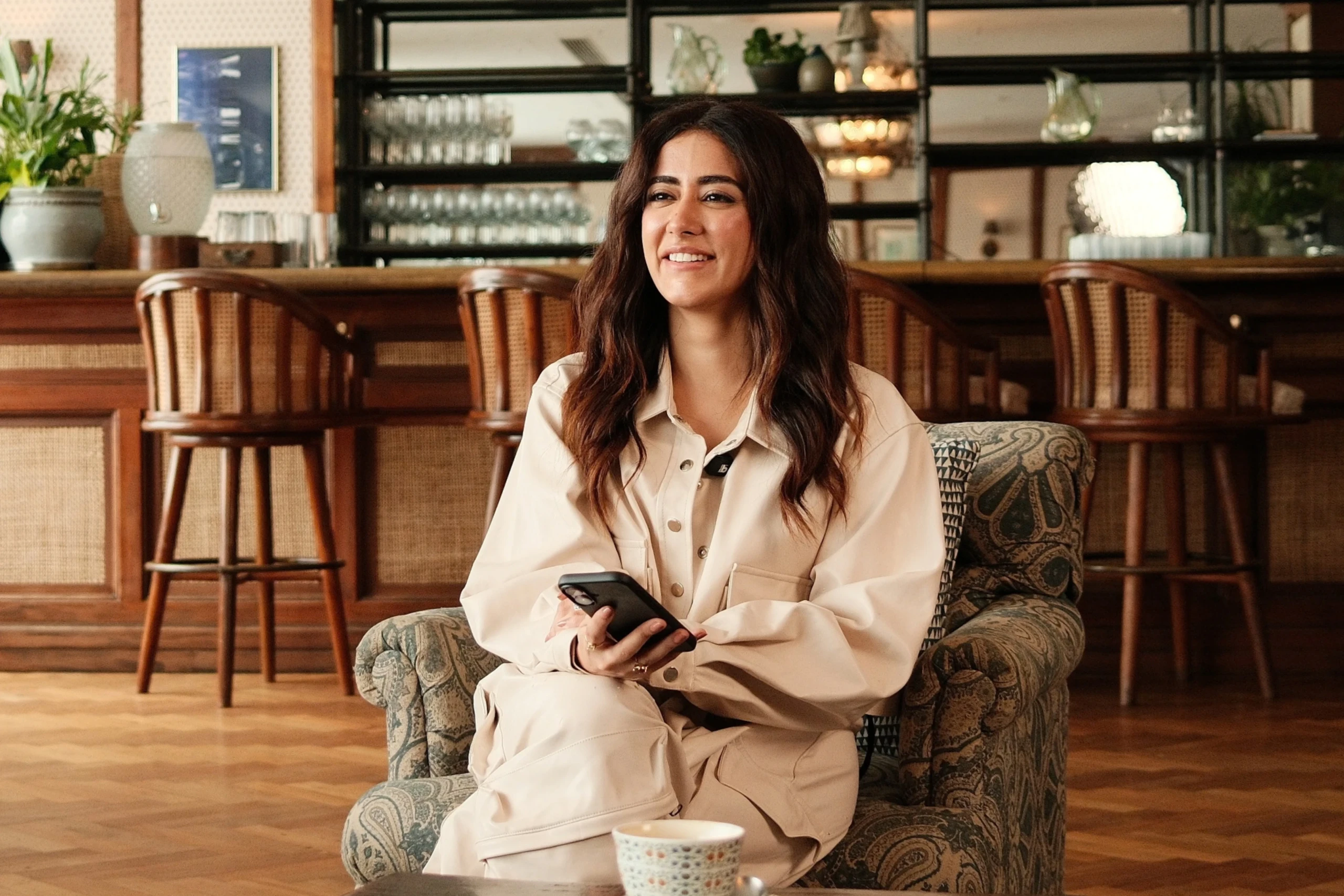
Born in Delhi, raised in Canada and now based in Mumbai, Jonita has built a career that moves across musical worlds. From Hindi film hits to singing and acting in Tamil, her work reflects the many directions her career has taken. But beyond playback, the singer is also exploring her own music and what it takes to build an audience outside the machinery of the film industry.
In a conversation with Billboard India for its Small Talk series, Jonita discusses the opportunities emerging from India’s growing global music footprint, the financial challenges of releasing music independently and the female performers who inspire her. She also reflects on the realities of artist burnout and what the growing success of women-led live shows could mean for the industry.
What have you learnt from global collaborations?
For me specifically, global collaborations are how I feel the most authentic to myself when it comes to creativity. I was born in Delhi, grew up in Canada, and now I’m living in Mumbai, singing and acting in Tamil. There’s so much happening in my career, but I’m also able to explore so many different avenues of creative expression and collaborate with people who are as well-travelled and global as I am.
It doesn’t feel different to me. It just feels like I’m connecting with like-minded people, and that’s what I want to do going forward, regardless of whether they’re here in India or global collaborators.
Everyone is starting to speak the same language, and a lot of people are aware of what’s happening in India and excited about collaborating with Indian artists. People are more excited about reaching Indian audiences, and artists are looking at their analytics and finding that a percentage of their audience is based in India. More efforts are being made to come here, interact with those audiences, perform here and collaborate here.
It’s a really good time for collaborations to happen. Earlier, people were a little more apprehensive, and stereotypes were leading the way. Social media has helped everyone discover that there’s more than just two languages here. There’s so much happening, and it’s happening so fast.
What are the challenges of releasing music independently?
I get in my own way. I’m the biggest challenge when it comes to putting out my own music. We’re spoiled; we get used to the numbers that come with film music and the machinery that goes behind promoting it, which involves a lot of money that we don’t necessarily want to spend or realise is being spent.
Resources are a big challenge. Reach is so much harder when you don’t have that kind of money to market your music. You don’t realise how much money goes into it until you’re putting out your own music.
Then you find out people are paying for songs to get onto the charts, and it becomes this whole money game. That’s the biggest challenge, I feel: it doesn’t become about the music, it becomes about the money.
This year, several artists have spoken about retirement. Is artist burnout real?
I understand that focus sometimes should be given to your own music. If that’s the reason, then I get it. In terms of volume, if you’re singing a lot for films, there’s a bit of saturation that happens where people are hearing your voice, but they’re not necessarily hearing it in the way you want it to be heard.
I can understand wanting to take a break from having your voice out there so much in music that’s not your own, and instead putting out your own music.
What’s your gold standard for female live performers?
Beyoncé. That was an easy one.
I saw her live, I feel like maybe 10 years ago, and I wanted to cry. I was so motivated but also so depressed because I was like, I want to be her. I am not her. And then also, I need to work hard and aspire to be closer to this because I feel like I can get close.
She has such a good combination of stage presence, dance talent, incredible live vocals, storytelling and the way she puts things together. Her show was an experience. It wasn’t just a show. So there’s so much to learn.
What gives you hope as a female artist in the country?
I just think there’s more of them, which is great. And there are more artists who are selling tickets, too, like female artists who are selling tickets. I think Sunidhi’s tour a couple of years ago was really well received. And Shreya also, every time she performs, she sells out. These are the shifts that give us inspiration to get more on the road.
Talking to myself, I’ve not done a tour yet, and this is something that we always talk about: what kind of venue sizes are we targeting? How many tickets can we sell? That’s always what we’re aiming for, I feel like, as a way to gauge how well we’re doing and how much our music is reaching our audiences. The fact that more female artists are able to do bigger venues is a great shift.
Watch our full conversation with Jonita as part of the “Small Talk” series, now live on Billboard India’s YouTube channel.