
When Nishit Arora started selling tickets to his shows in Kolkata in 2012, the city, he says, had no real ticketed gigs to speak of. Getting people to pay for live music was “almost like a fight”. They would come and say, “We’ve never paid [for] tickets ever. We just walk into a bar and there’s a band playing.”
He kept at it. Jamsteady, his weekly night of original music, started at Rs 100 a head and crept up to Rs 500, with about 250 people paying every week. Today Arora runs Skinny Mo’s Jazz Club in the city.
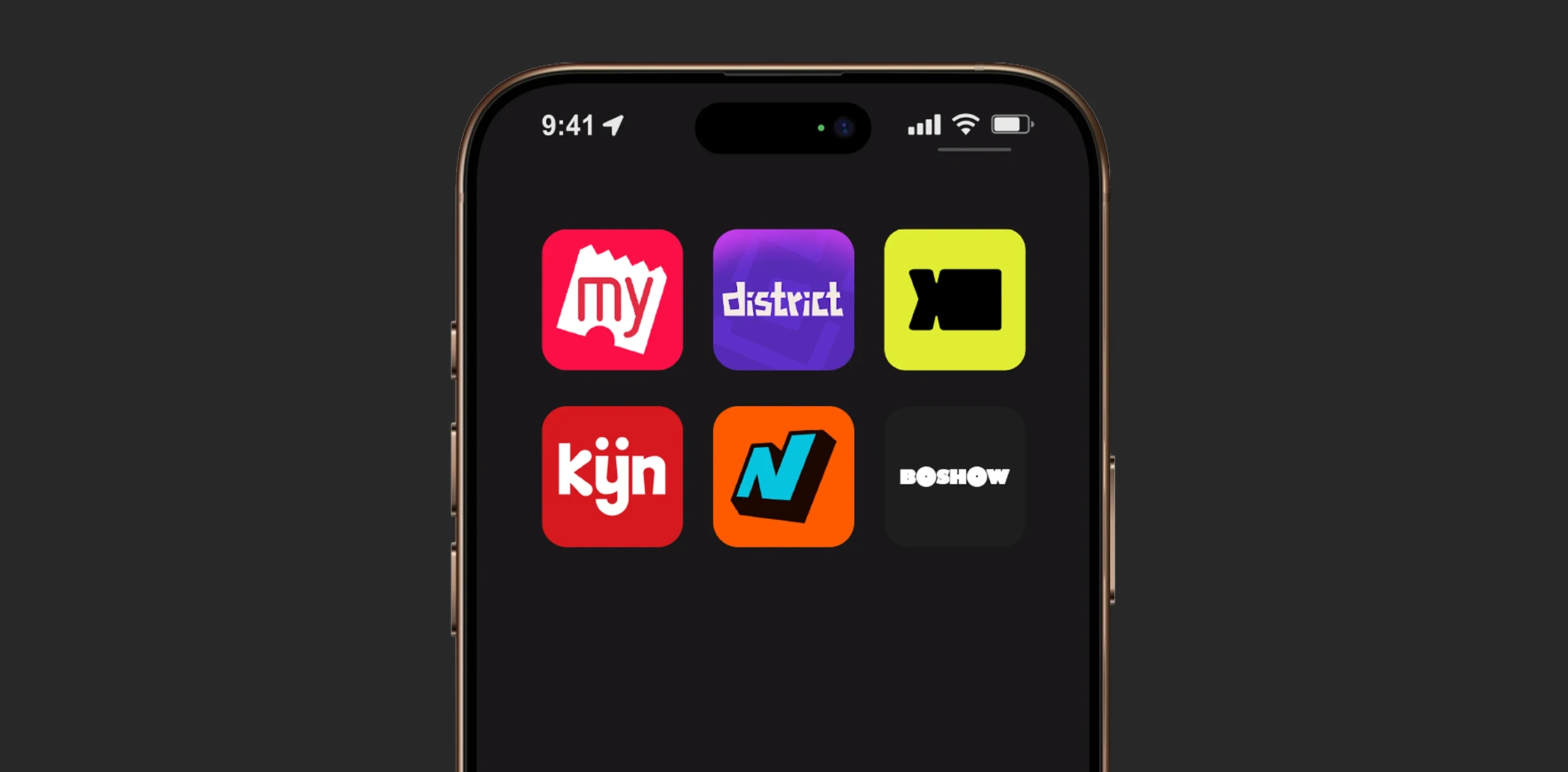
Getting people to pay for a night out is no longer a problem. The struggle right now is who gets to sell those tickets. For years BookMyShow was the main seller, and District joined it in 2024. Now a crowd of smaller apps want a share. thumpN was started in July by a former Paytm Insider executive. KYN is a neighbourhood app in Chennai. Boshow is a one-man platform in Kolkata, and the one Arora himself uses. Flipkart and Swiggy are said to have their eye on the live events business too. But is there room for all of them?
Demand is the easy part. Datum Intelligence, a market research firm, says there have been more than 34,000 live shows staged across the country in 2025, up 13 per cent from a year earlier. It values India’s organised live events business, from concerts to weddings, at Rs 13,800 crore this year and expects it to touch Rs 18,300 crore by 2028, growing about twice as fast as Indian media and entertainment. “Typically our cities are very dry,” he says. “We don’t have anything to do on the weekend,” explains Satish Meena, founder of Datum.
BookMyShow and District sell tickets and put on shows. Ever since Zomato bought Paytm’s ticketing business for Rs 2,048 crore in 2024 and turned Insider into District, the two have had India’s live ticketing more or less to themselves. They bring promoters a huge base of customers and staff on the ground, which is why most keep selling there. BookMyShow has fresh money to defend its lead, after KKR bought a minority stake in it in August. Bigger names are sniffing around as well. Reuters reported in April that Flipkart planned to sell concert tickets ahead of its IPO. Swiggy sells gig tickets at partner restaurants through Scenes.
BookMyShow and District, the biggest ticketing apps in the country, did not respond to questions by the time of publication.
Whose list is it?
What the smaller apps offer promoters, is information. Every ticket sold online produces information: who bought it, where they came from and what else they have paid to see. A promoter can use this information to market his future shows better and can even design new shows. On the big apps, promoters say, this information mostly stays with the app. A promoter could sell every ticket for a show on these apps and still not know who came.
Nikhil Udupa sees the difference every time he puts a show on sale. He co-founded 4/4 Experiences, which runs Control ALT Delete, a pay-what-you-want festival that publishes its accounts. He sells on District, Skillbox and a few newer platforms, and finds the big ones cagey about sharing details of those who bought his tickets.
The newer apps are easier to bargain with, too. “You’re in a better position to negotiate lesser percentages with newer ticketing platforms,” he says. For large festivals, though, he still turns to the big two and their reach.
Different bets
The challengers aren’t all making the same bet. thumpN is the newest of them. Varun Khare, once the chief operating officer of Paytm Insider, launched it in July. It raised $3.75 million (about Rs 35.7 crore) in a pre-seed round from investors including Paytm founder Vijay Shekhar Sharma’s family office, and musicians Arijit Singh, Sunidhi Chauhan and Badshah, Inc42 reported. More than 40 promoters have also put in money, Khare says.
Khare says promoters have been complaining to him about data for many years. He has heard it when he sold tickets at Paytm Insider and he hears it now as the founder of thumpN. So thumpN hands organisers their buyers’ data, and it has promised not to put on shows of its own. “We’ve got over 1,00,000 odd organisers in the country today, and we don’t want to be eventually competing with them.” It makes its money the way everyone else does, from commissions and booking fees.
Khare also thinks the market is bigger than the big apps’ listings suggest. “A lot of these events don’t even come to ticketing platforms. They just go directly to Instagram, WhatsApp, or they are just directly sold on the door,” he says. He reckons “the unstructured market is probably equal to the structured market.”
Gayathri Thyagarajan, who founded KYN, wants the small, local events that the big apps do not bother with. She does not think the big apps will come after that business. “The long tail is not in their radar, and venturing into this new space will put their existing lucrative market share at risk,” she says. About 90 per cent of the experiences KYN lists in Chennai can’t be found on larger platforms, she says.
She says she wants KYN to be “the Shopify for communities”. She describes it as “a social experience platform where like-minded people can connect and build communities”, and says ticketing is just one part of what she has in mind. “Yes, we do share all information compliant within the laws to the host/organisers,” Thyagarajan says.
Too many apps?
Karan Taurani, executive vice-president at Elara Capital, has his doubts about the new apps. An app that only sells tickets and has no shows of its own will find it tough against apps that already have millions of users, he says. Taurani’s view is that “these ticketing companies need to have a blend of both having shows and also aggregation”, with customer data telling them which shows to put on.
A company that only puts on shows is taking too much risk. “If the shows don’t do well, you end up losing economics,” he says. “So I think having a hybrid platform is the most beneficial thing over here.”
That happens to be what BookMyShow and District already do. For a newcomer, Taurani’s test is about the fan, and whether it makes going out easier than the apps already on people’s phones. “Is it extremely different as a customer experience wherein I can do things seamlessly or where my time spent on the app comes down?”
Thyagarajan, for her part, isn’t sure any one app can serve every kind of event. “A single platform cannot provide the overall value,” she says, because demand, supply and operations work so differently from one kind to the next.
Meena sees room for smaller apps further down. “If you want to fill a stadium of 100,000, you need to do a partnership to manage all of the things. But if you’re doing an event of five hundred and thousand, you can work with the local partners also.”
Khare doesn’t care for the third-app label. “We don’t have to be restricted to be the third player,” he says, arguing that most of the market isn’t on ticketing apps yet. To him, the argument over two apps or three misses how much is going on beyond them. “Like today, when we talk about platforms, we’re still talking about one or two or whatever platforms, right. But there’s so much actually out there.”
The promoters who pay the commissions are keeping their options open. Udupa expects the new apps to thin out, and until then he will sell everywhere. “I think it eventually boils down to a multi platform approach,” he says.
Arora settled the question for himself some time ago. His tickets go through Boshow, a Kolkata platform built by musician Rubesh Sircar, who has a background in computer science engineering. Sircar wrote the code himself in 2021 and started operations in 2022, because independent artists could not make proper money and he saw “overall saturation and gate keeping in the existing market”. Boshow takes a 5 per cent cut, and Arora plans to take it to Goa, where he is building a second club.
Arora doesn’t ask much of an app. “I really just want a platform where people can easily just book a ticket and that’s about it,” he says. Sircar, he says, has no plans to become the next BookMyShow, which suits Arora fine. When a fan writes in to say a confirmation email never came, Arora picks up the phone and Sircar sorts it out. “It feels a little more personal,” he says.