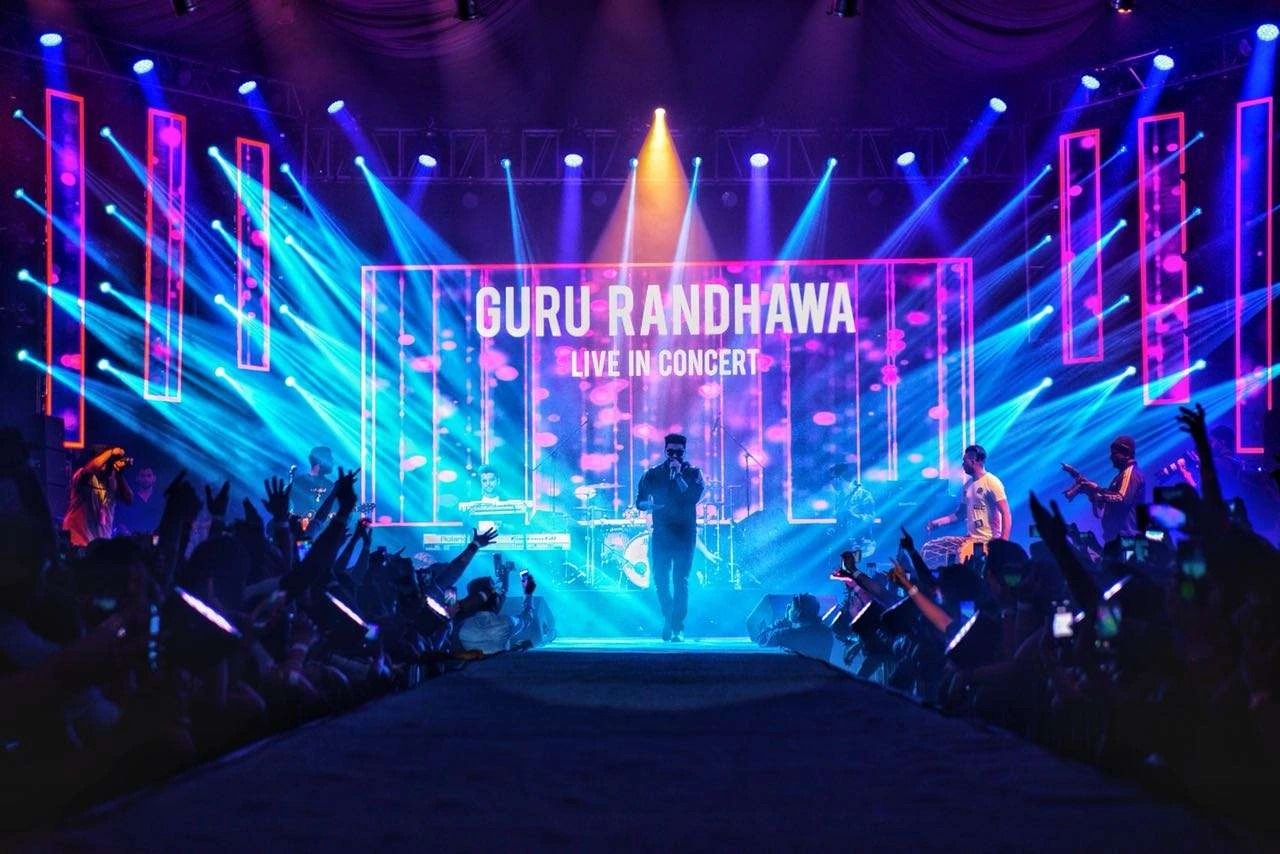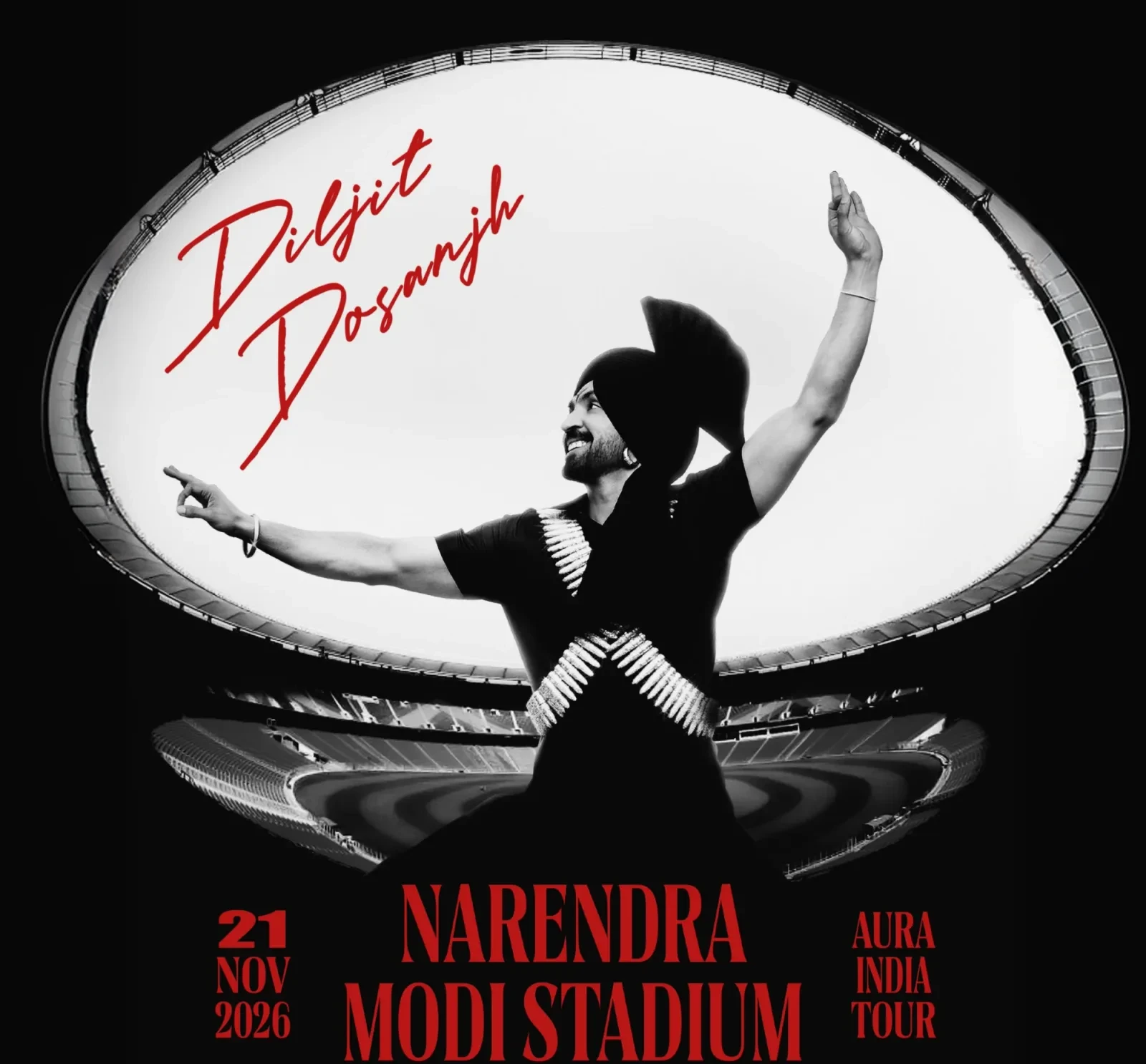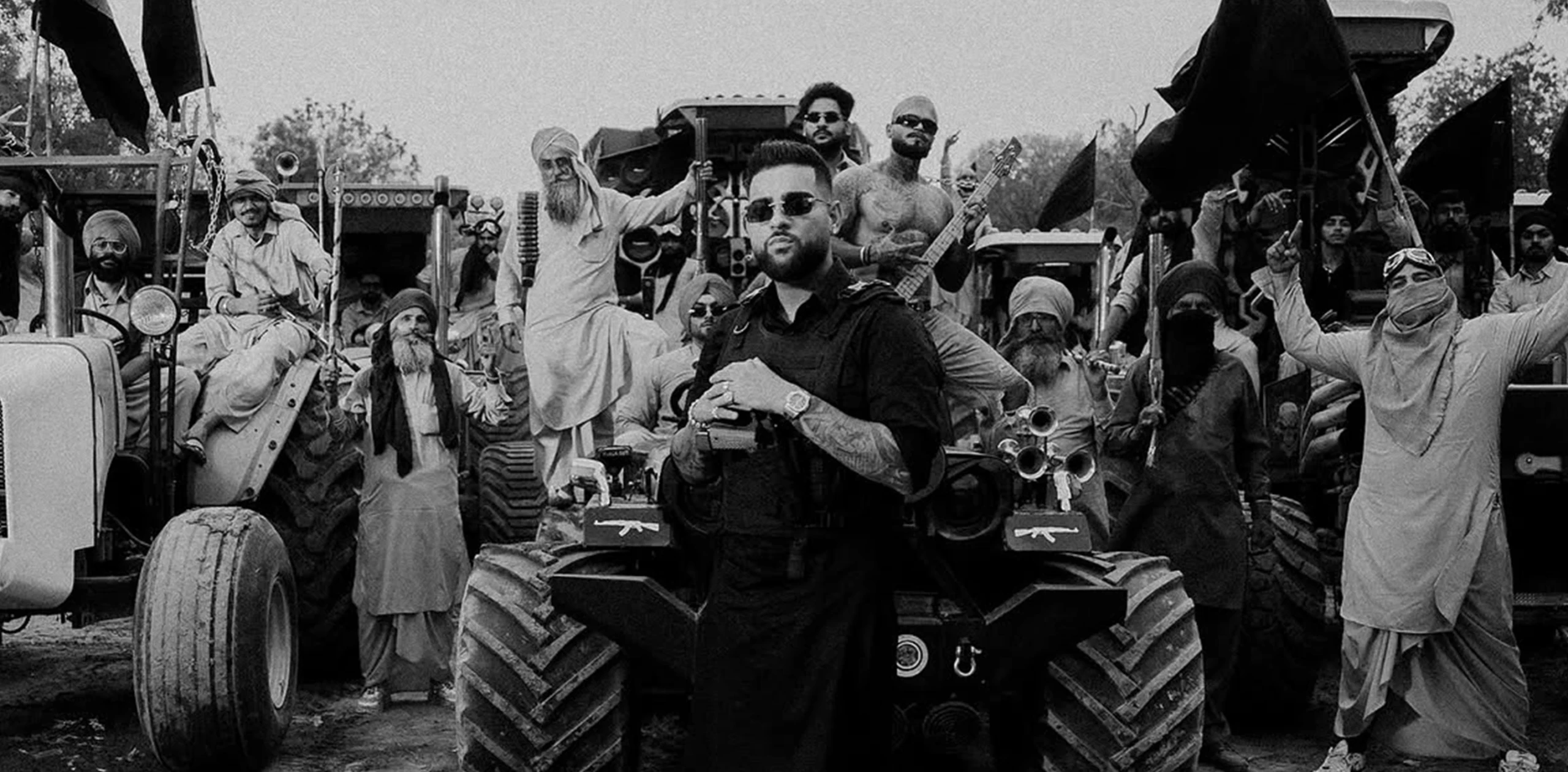
Punjabi music is one of India’s biggest exports. Diljit Dosanjh became the first Punjabi artist to play Coachella in 2023. Karan Aujla, styled the Geetan di Machine, took his album P-POP CULTURE to Spotify’s global Top 100. Newer blood like Navaan Sandhu debuted his 2026 album Bipolar at No. 4 on the platform’s Top Albums Global chart. The world has embraced Punjabi sound and culture, and the women have been there through it all. Their names, far less so.
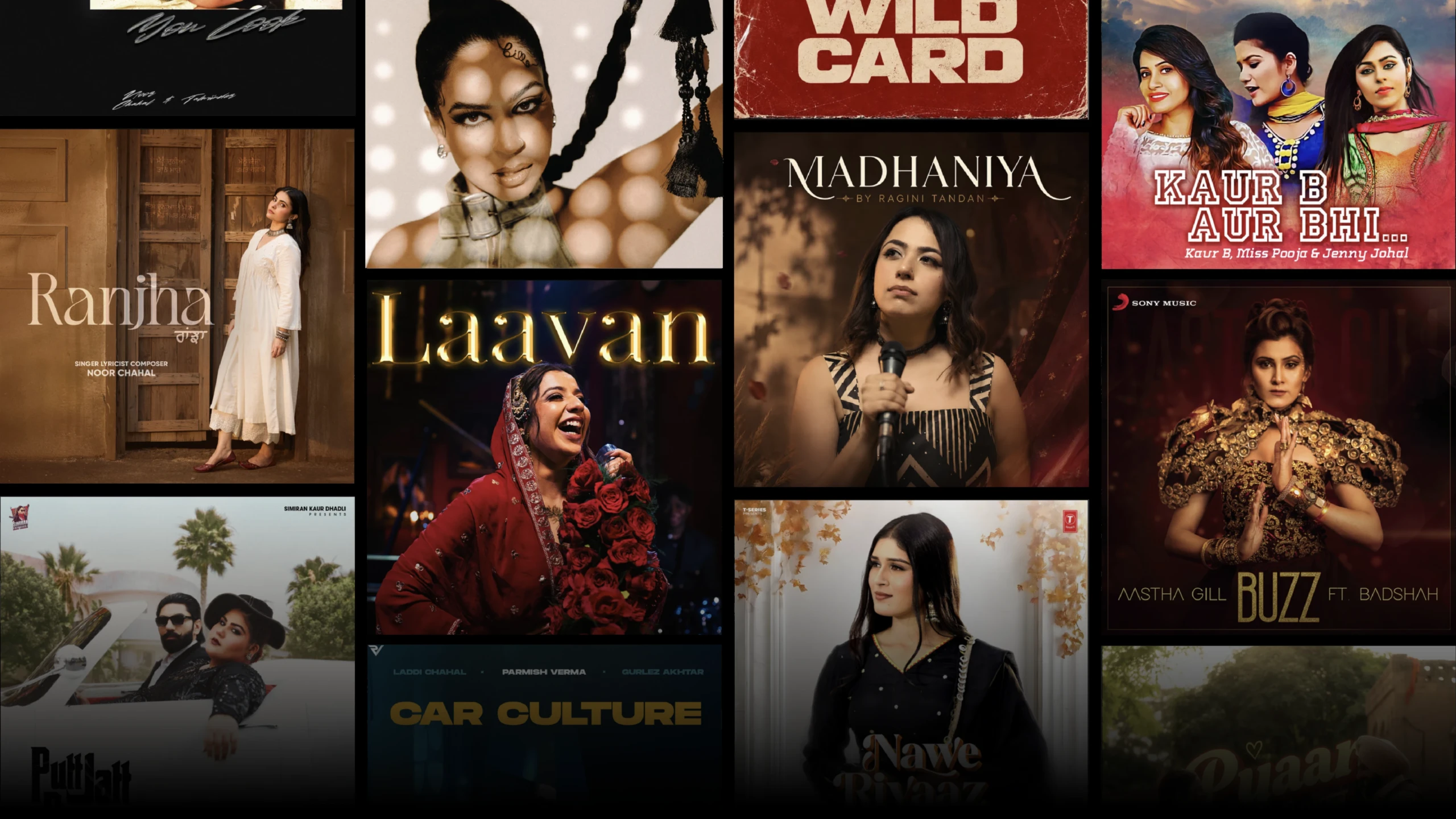
On Hot Hits Punjabi, Spotify’s flagship 50-track playlist, fewer than ten songs credit a woman, and almost always as the featured voice rather than the lead. Punjabi 101 tells a similar story: of its 101 tracks, women turn up on roughly a dozen, and only a handful of those songs are theirs. The trend is not platform-specific, either, with Apple Music’s Punjabi Hits and Amazon Music’s 50 Most Played: Punjabi playlists skewing the same way. Of these, names such as Jasmine Sandlas, Noor Chahal, and Simiran Kaur Dhadli headline credits, while others, including Kiran Bajwa, Gurlez Akhtar, and Jenny Johal, find their place as featured artists.
The pattern is hard to miss. But the reason may be more complex than music. Punjabi pop keeps one foot in modernity and the other in a culture with long, patriarchal roots. Shilpa Sharda, who has spent twenty years developing Punjabi artists across major labels, is unsentimental about what that means. “Historically, we have been male-dominated. When you go from Metro cities to the regional segment, the male dominance is there; equal opportunities are not,” she says. “The infrastructure for a woman to be groomed is missing, because, until recently, these women were not even allowed to come out of their houses.”
Ragini Tandan learned the industry’s manners the hard way. Her voice carried “Lamberghini,” one of the defining Punjabi hits of its moment, a song she recorded, by her account, with no fee and no paperwork. “When you’re new, it becomes a thing,” she says. “If we are giving a song to you, you should be thankful. Don’t ask for money, don’t ask for anything, just come and sing.” The song crossed billions of streams across platforms, credited to the composer duo The Doorbeen and released through Speed Records with Times Music. Ragini’s name appeared only in the fine print, if at all. For years following its 2018 release, fans believed the model in the music video had sung it. “People would message me asking to be connected to Harshdaa,” she recalls, naming the actress.
Aastha Gill met Badshah through Raftaar, long before the fame, and went on to feature on over fifteen songs with him over the years. It was his 2015 track “DJ Waley Babu” that made her a household voice overnight and then kept her there. “People would know me as the girl from Badshah’s song before they knew me as Aastha,” she says. “When a song becomes that big, it’s natural for it to take up all the space.” The problem was never the partnership, but that her career began to be seen as a byproduct. In 2018, she stepped out as a lead in her own right, with “Buzz” (Badshah was a featured artist). “I just had to let people discover the other sides of me too.”
QARAN recognises the phenomenon from the other side of the table. An artist and producer whose work regularly features female voices, among them an upcoming release with Afsana Khan, he has spent his career pushing back against the dynamic he describes. Part of the distortion, he says, is about credit. Who gets the spotlight on a release, regardless of gender, is often a decision made by the label and the publisher, based on who they choose to push: “That corporate backing can set a misleading narrative, giving disproportionate credit to someone who may have had minimal contribution to the actual work.”
When women are given the room, the careers they build look nothing alike. Gurlez Akhtar made herself indispensable as the reigning Queen of the Duet, featuring on hit after hit. Nimrat Khaira assembled a layered career across Punjabi music and film without shedding her identity. Jasmine Sandlas carried her sound to global recognition, though it took the better part of two decades. The lesson, in Sharda’s words, is that “the objective is not to create a female version of a male artist. It is to create an artist with her own identity.”
That is what both Ragini and Aastha are now doing on their own terms. Ragini’s answer to Lamberghini is Chasing Light, songs that are hers down to the paperwork, which she now drafts herself. “When I look at my discography, it gives me immense joy, because I know this is all mine.”
Aastha returned from an eight-month silence with “Fursat”, a song about choosing yourself, and the difference from the big collaborations was immediate. “A collaboration comes with its own momentum, the artists, the audiences behind it,” she says. “With Fursat, I had to build that myself. It’s more work, but more personal.”
Sharda, for her part, is done waiting for the economics to fix themselves. “The industry needs to set aside a budget for female-artist development, with the right infrastructure, as a protocol, whether it makes sense on paper or not,” she says, the way rosters now aim for gender parity in hiring. “Even if we make losses, we do at least one act a year. If seven major companies each decided that, seven women would get a real shot.”