
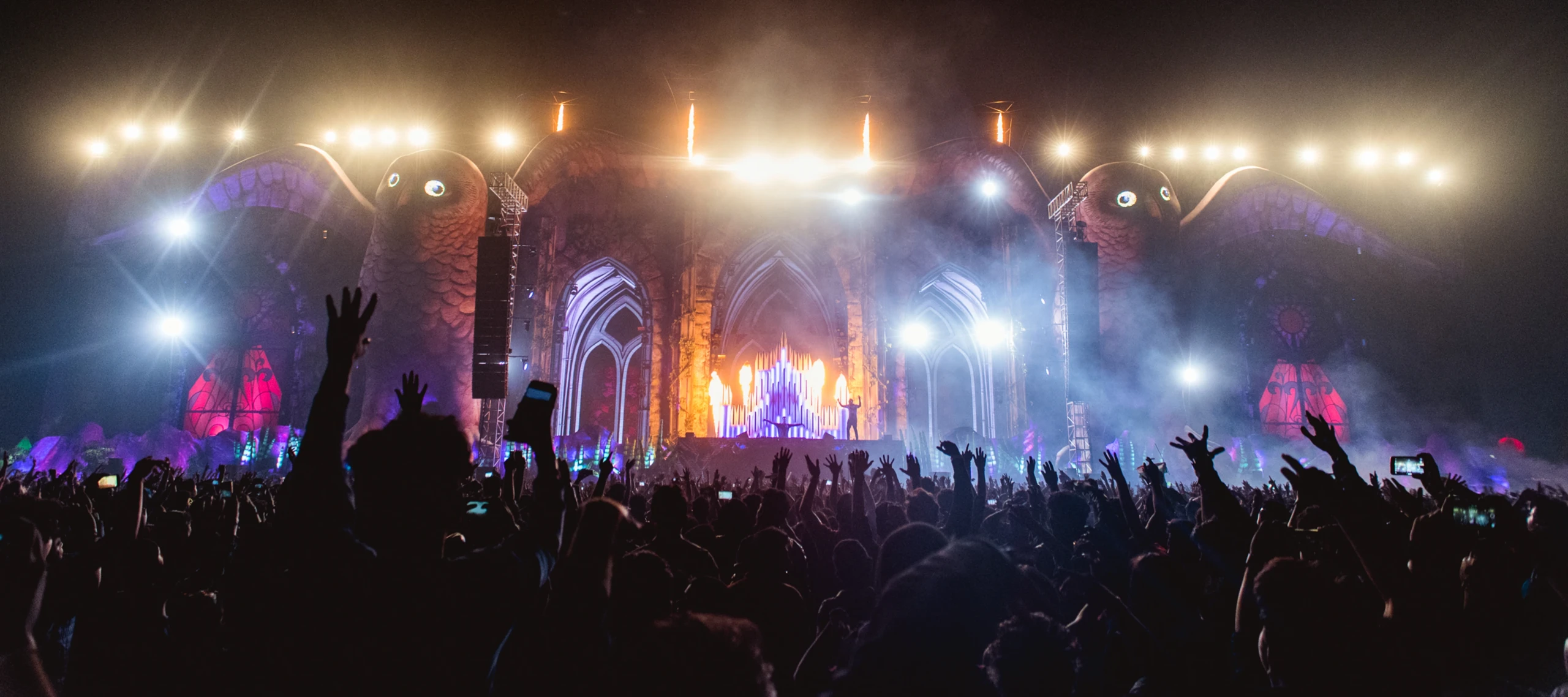
Only hours before the gates open at NH7 Weekender, a phone rings. It’s the headliner’s tour manager, and there’s a problem: they need sixteen shower cubicles built backstage, right now. Tej Brar, who oversees the operation as Festival Head at Nodwin Gaming, does the math: “We don’t have the provision to magically make showers appear in the middle of a field on the day of the show.” The show went on anyway. It usually does.
“Half the time, what people see is the forty-seventh rendition of a festival,” says Ashish Jose, who books and manages with Imaginary Frnds. “You’ve sent out forty offers and heard thirty-eight rejections. What you see is what we’ve been able to salvage.” Then comes the announcement, the biggest day of the year, and with it the two words that greet every lineup ever released: Lineup sucks. “It’s a tough job, dude,” Jose says.
Lollapalooza India just revealed Olivia Dean and Limp Bizkit as this edition’s headliners, and with that, concert season is officially here. Across every other festival’s feed, the annual ritual has begun: The Reddit threads, the rumours, the discussions and dissections, the comment sections all asking the same question: Lineup when? We go behind the scenes to find out what it takes to answer.
Playing the Long Game
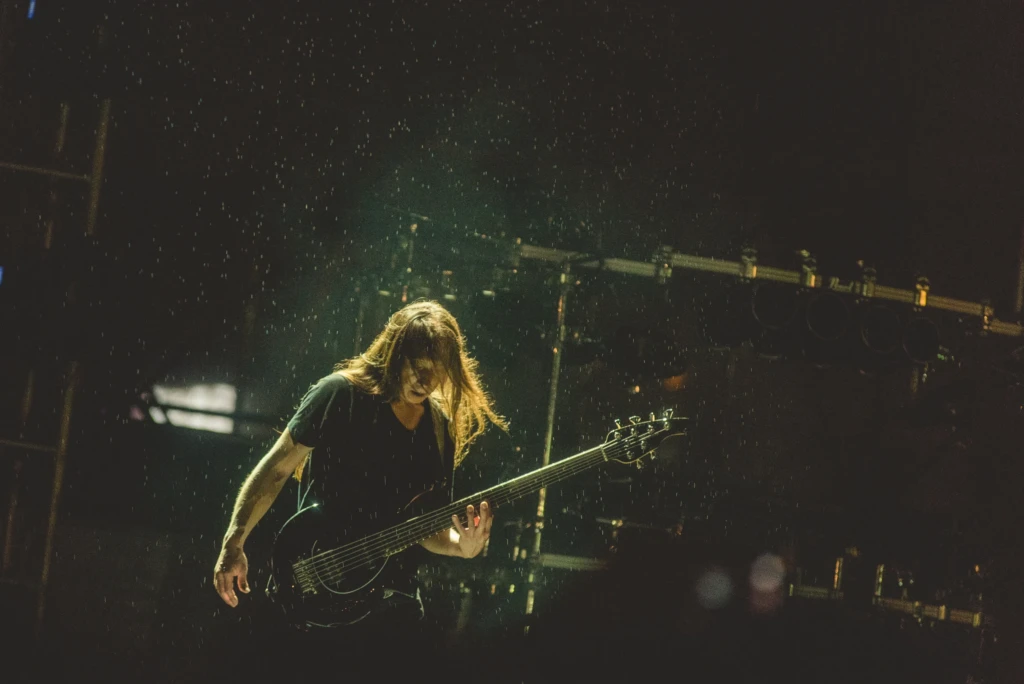
It begins unglamorously, figuring out what will work. “It’s not an exact science,” says Karan Singh, CEO of Sunburn. Part of BookMyShow, which handles ticketing for most of the country’s major shows, Singh has data to lean on: touring history, streaming numbers, breakout acts. Though metrics only say so much. “Sometimes artists with lower numbers are known for incredible productions, for taking an audience on a journey.”
The journey is a romantic notion. “You want it to be about sound,” says artist manager Sid Shetty, recalling his years programming NH7 Weekender. “But it’s not just the audience’s experience. It’s budgeting, what direction the festival’s heading in, your programming ethos.” The calendar, too, is unforgiving. “We’d take January off to breathe. February, we’re back in the office; by March we’re sending out offers.” Headliners, ideally, are locked by June. “I say ideally,” he adds. “It almost never happens.”
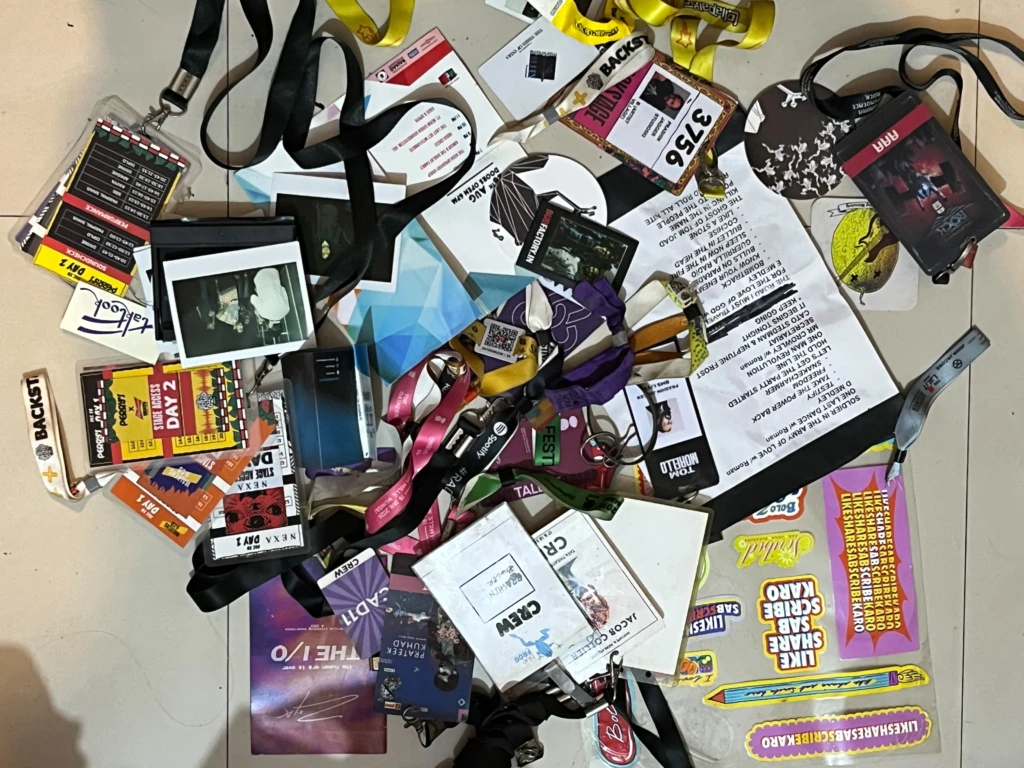
For the biggest names, the runway is longer. “Six to nine months is the bare minimum,” says Singh. “For someone like Anyma or Fred again.., it can be more than a year.” At the boutique end, where festivals are built for intimacy over scale, Sarah Chawla describes curating Magnetic Fields as an ongoing conversation, one that took almost a decade in the case of British electronic producer Four Tet. “A lot of what we do, we’ve been talking about for ten years.”
WAVLNGTH’s Aneesha Kotwani pursued elusive Detroit legend Moodymann for months while bigger festivals courted him, firing off email after email, until a single reply cracked it. Later, she asked what tipped the decision in her favour. “They said it was because I was persistent, and because it was refreshing to get an email from a promoter who was a woman.”
The Red Tape
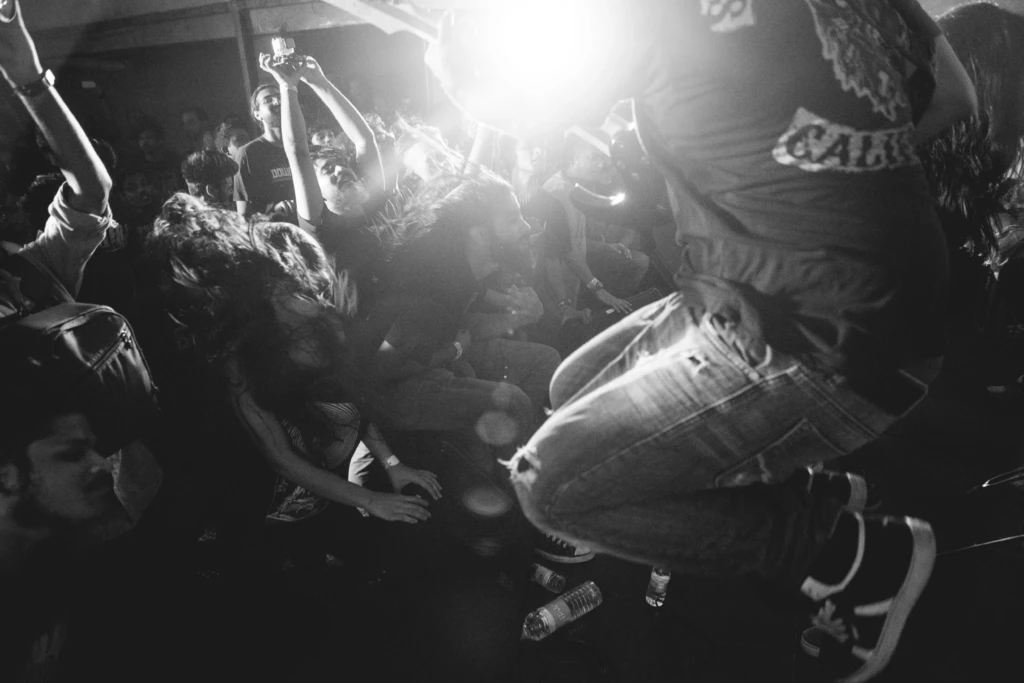
Getting to yes is only part of the battle. “But then there’s the paperwork, the bureaucracy,” says Shetty.
International agents arrive with templated global contracts that rarely survive Indian ground reality. Legal takes time. Visas take time. Then there’s FRRO registration, the mandatory logging of foreign nationals coming to work in the country, plus a whole governmental gauntlet on the ground: police permissions, excise permissions. Often, the work is undone from far above a promoter’s pay grade. Shetty recalls a booking wiped out overnight, when a diplomatic rupture froze travel between India and Canada. “Serves me right for believing something would go smoothly.”
Bookings often collapse for reasons no one can control: visa snags, sabbaticals, mental-health breaks, injuries, accidents, and that’s before the weather, when a freak hailstorm or sudden downpour can derail production.
Then there’s money. Indian ticket prices cap at a fraction of what festivals charge abroad, so the live ecosystem is underwritten by brands. “Agents see these brands and say, ‘ You should pay what I’m asking,” says Brar. “They don’t understand that without brands, the P&L is impossible to recoup. You can’t charge the audience double what they’re used to. They won’t pay it.”
A Beast of Its Own
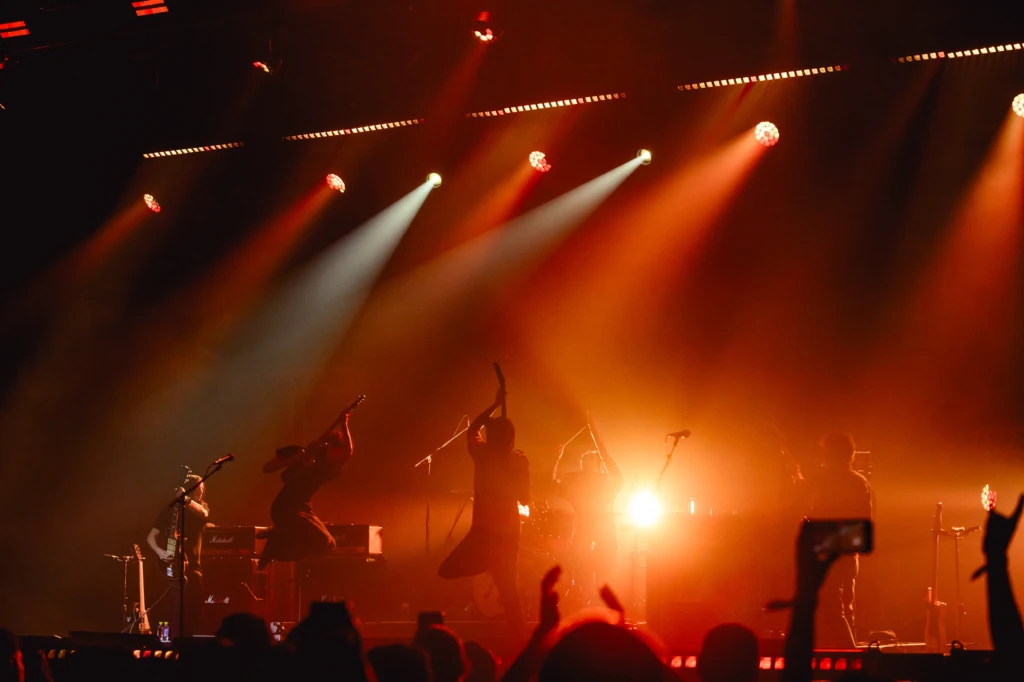
India has been long-skipped on the world tour map. Acts play the US, Europe, a big-money Gulf date, then leap clean over India to Singapore, Bangkok, Tokyo. That’s changing, though the logistics remain staggering. “It’s untapped territory for a lot of them. No one knows where to start,” says Kotwani. “The country is a beast of its own.”
For festivals like Lollapalooza, celebrating its fifth Indian edition, location poses another challenge. With Mumbai being so densely populated, and artists travelling with a large entourage of almost 30 people, it requires much more coordination and planning.
Boutique festivals trade density challenges for remoteness. Ziro’s Anup Kutty remembers when the first artists reached the valley by a two-day train to Guwahati and a seventeen-hour road journey. “A landslide and non-stop torrential rains in the first year turned that into 20-plus hours.” Built by hand from bamboo over two months, the festival’s gear is hauled in from across the Northeast.
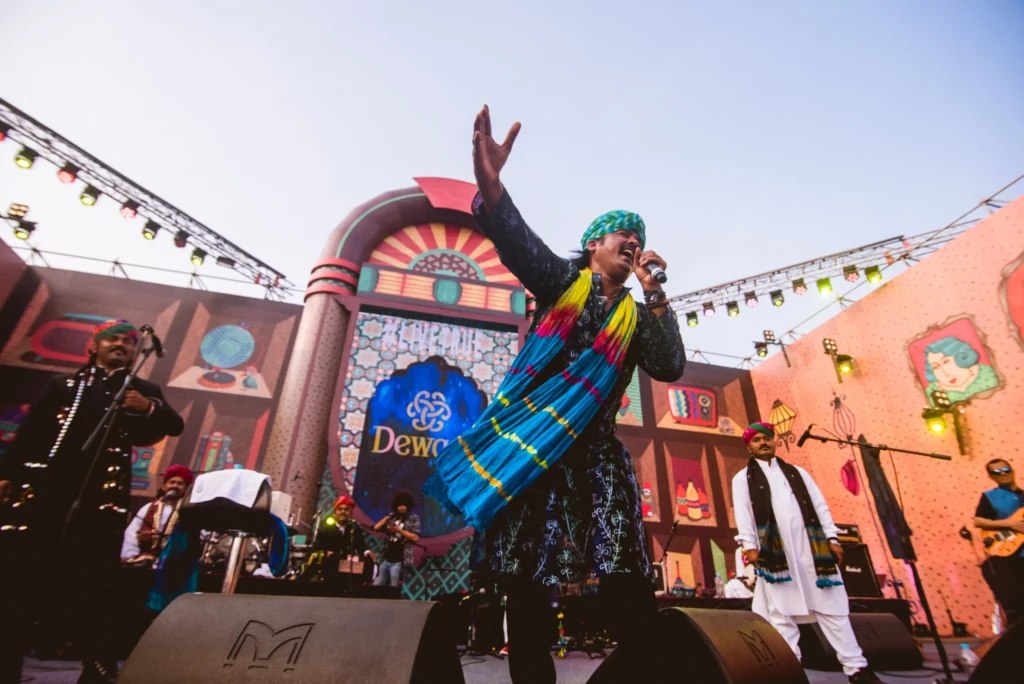
At Magnetic Fields, building a temporary township inside a heritage palace was, in Chawla’s words, a logistical nightmare. One year, an intense hailstorm hit the day before the festival opened, and the team had to replace hundreds of beds within 24 hours. Other challenges were stranger: Chawla recalls steering a lost cow away from the art tents one year with late artist Hanif Kureshi. “Hanif and I were trying to guide this lost cow out without it taking down the tents around it!”
Some problems have fixes. Others don’t. “You can’t rely on any permission in India, ever,” says Shetty, recalling the edition of NH7 Weekender shut down by the police minutes before gates opened. “Even when it’s granted, it can be rescinded.” He met headliner Jorja Smith to break the news. “She was lovely about it, which somehow made it worse.”
Five Puppies and a Football
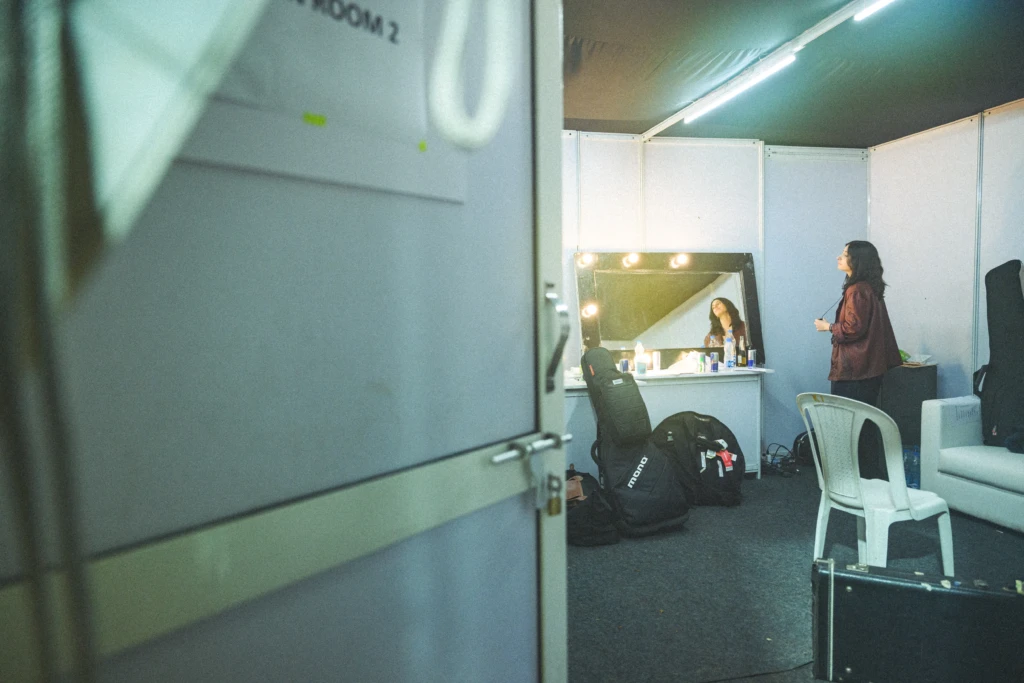
Once the artists arrive, the work transforms. Kotwani describes herself as a ‘music fixer,’ and the title fits. She shepherded Gorillaz through a recent incognito trip to record rather than perform, and explains the music is often the smallest part of her work. “Every engagement I’ve had, there’s always non-music stuff I do,” she says. Damon Albarn and Jamie Hewlett wanted vintage Bollywood posters and little brass idols. When they fell ill, khichdi was ordered from an aunty near the studio. “They’re more grateful for that, because they get to experience the place through someone local.”
The riders alone could fill a book. Avicii, at Sunburn’s early editions, asked for LEGO to keep backstage. DJ Snake, a devoted PSG fan, requested a football for a kickabout before he played. A private booking for Shakira in India made the old Van Halen legend real: a bowl of red M&Ms picked out and placed by the bed, and one UK hardcore band requested five puppies to ride with them from Mumbai airport to the hotel. “Cute ones,” adds Jose.
Just getting to the stage can be eventful. Karan Singh marvels at the night Dimitri Vegas & Like Mike chose to reach the Goa festival by speedboat from their Panjim hotel. They left late, hit traffic, and ended up stranded in the dark at sea when the port refused them landing. The boat was rerouted to the nearest jetty at Candolim, where motorcycles waited. “They came to the festival through a sea of people, on bikes, carrying their equipment.”
Front Row to the Back
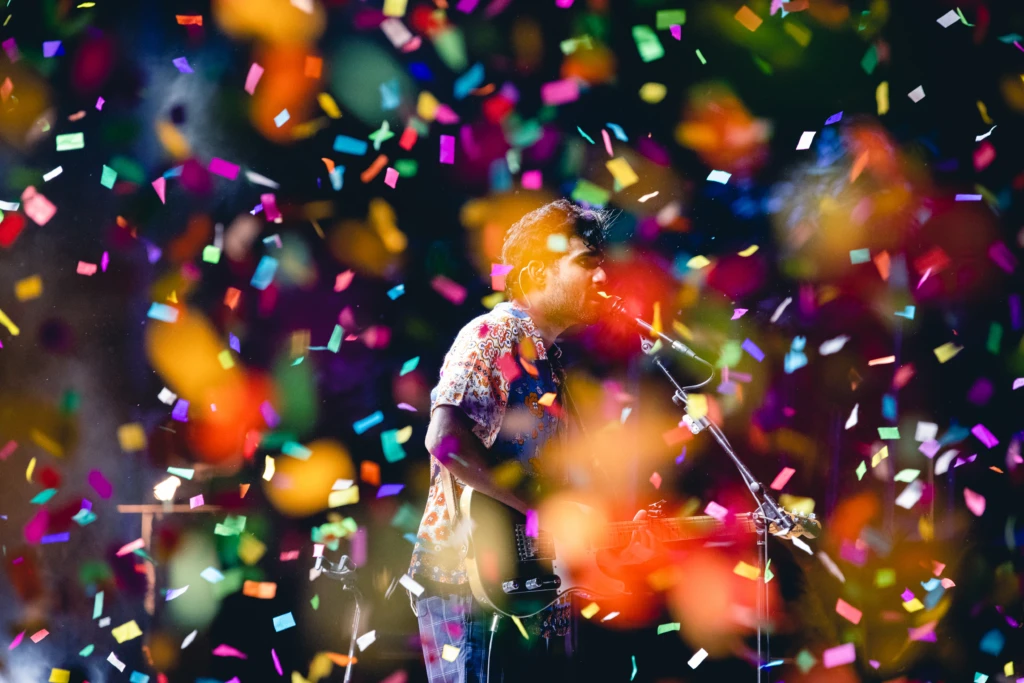
So, lineup when? The teams will get to it, eventually, after the offers and rejections, the visas and permissions, the speedboats and the puppies. Ask them why they bother, and it’s never really about the lineup.
Shetty describes it as a collective lock-in, recalling how the crowd came undone at Daler Mehndi’s performance of Tunak Tunak at NH7 Weekender. “I’ve never seen an audience dance that hard, front row to the back.” He says, “They shook my sound tower. Even my guys inside it were going as hard. Everybody was just losing their minds, and I had a bird’s-eye view.”
For Brar, it comes down to a single moment, familiar to booking agents and festival teams around the world: “The second the band walks on, the lights go up, they rip into the first song, and the crowd loses its mind, every squabble, every delay, every email, all of it is worth it.”
All photos are used for representative purposes.
A change was made to the original text, honouring a request from a source.