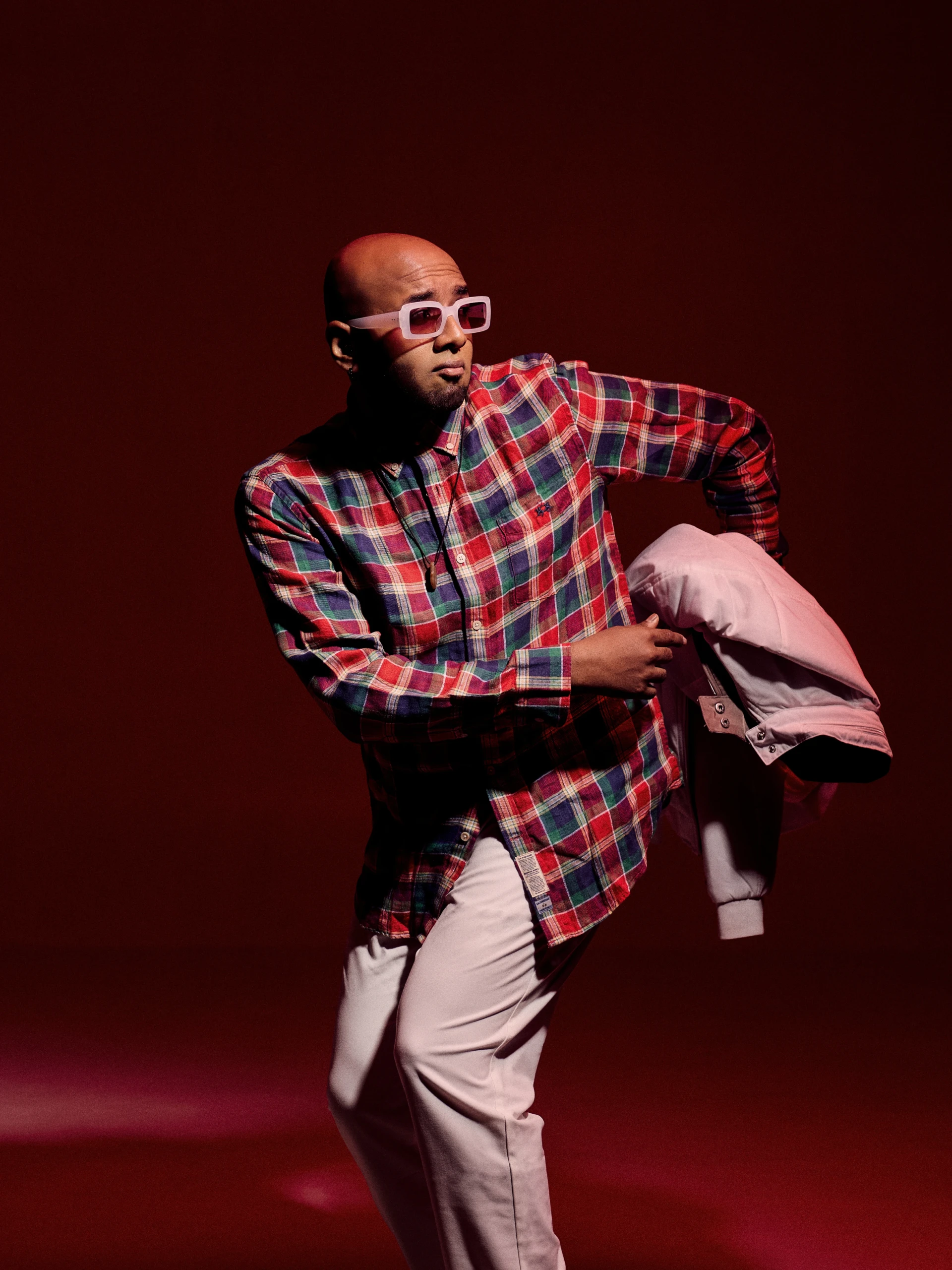



Billboard India got indie-pop singer-songwriter gini and singer, songwriter, DJ Kayan to sit down together for their first-ever joint interview last month. Of the many things the two spoke about, they also addressed how often they find themselves to be the only woman in the room at a work meeting.
“Most of the time!” was the instant response from both.
“I also have had two bands before I was “Kayan”. I was the only girl in the band. We’d go for soundchecks and tech checks and stuff like that. I could say something. But literally when my male counterpart is saying the same thing is when they’re going to absorb it and accept it. And it’s so frustrating!” adds Kayan. “That’s just one example of small things you deal with, just being in a music space. And over time and meetings, of course, you know, it’s kind of funny to see a bunch of guys talk sometimes,” she says with a smile.
“The first three years of my career were completely online,” gini says, adding her perspective. “I was posted with my dad in a very remote place where there weren’t very many people to begin with. No chance of a music scene. So the first three years of my career were spent online. And in that, I would sometimes do voice-only calls. So that I would get singled out less, being a girl. And this is when I was 15, 16, 17. So it’s even worse because you’re the youngest and the only girl. It’s sort of like, ‘Hey guys. Opinion. Please listen.’ But it, I mean, of course, it got better after. You put your money where your mouth is at.”
However, it is not necessarily the same on film sets as gini elaborates. “It’s gotten really good in film because at least most of the sets I’m on are either run by a woman or there are lots of women. I’m like, “Hey, that’s awesome!” That’s happening in film, which is incredible to see, especially because it was predominantly men throughout Bollywood. In music, however, I see that there is perhaps in the institutions around the musicians themselves… because the musicians are one thing. You always have people who will find their way into the space. But in the institutions around it, for example, managers and sound engineers, recording engineers, producers, we do have a dearth of women in that zone, but I think it should be changing soon,” she ends on a hopeful note.
Watch the full segment below: