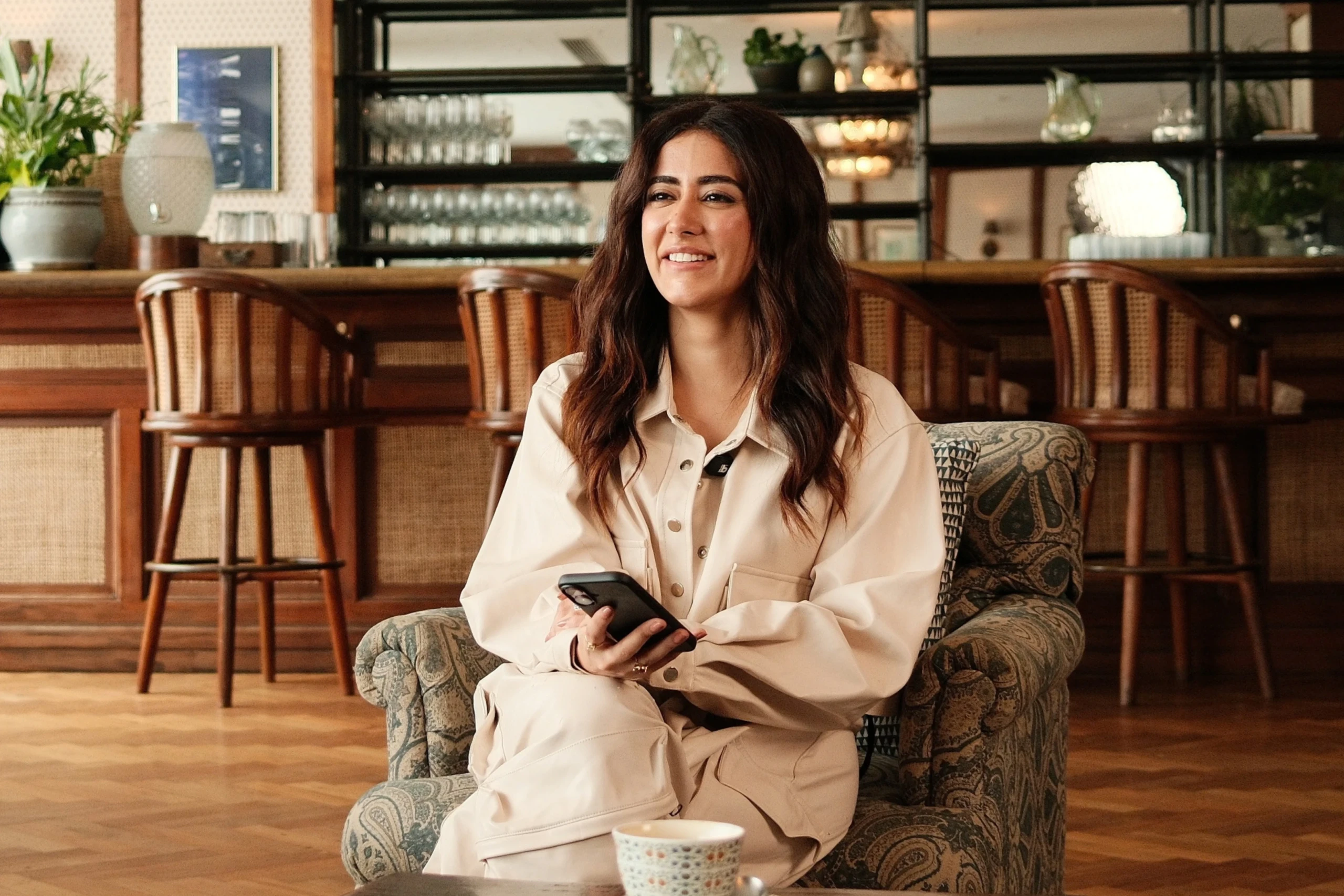
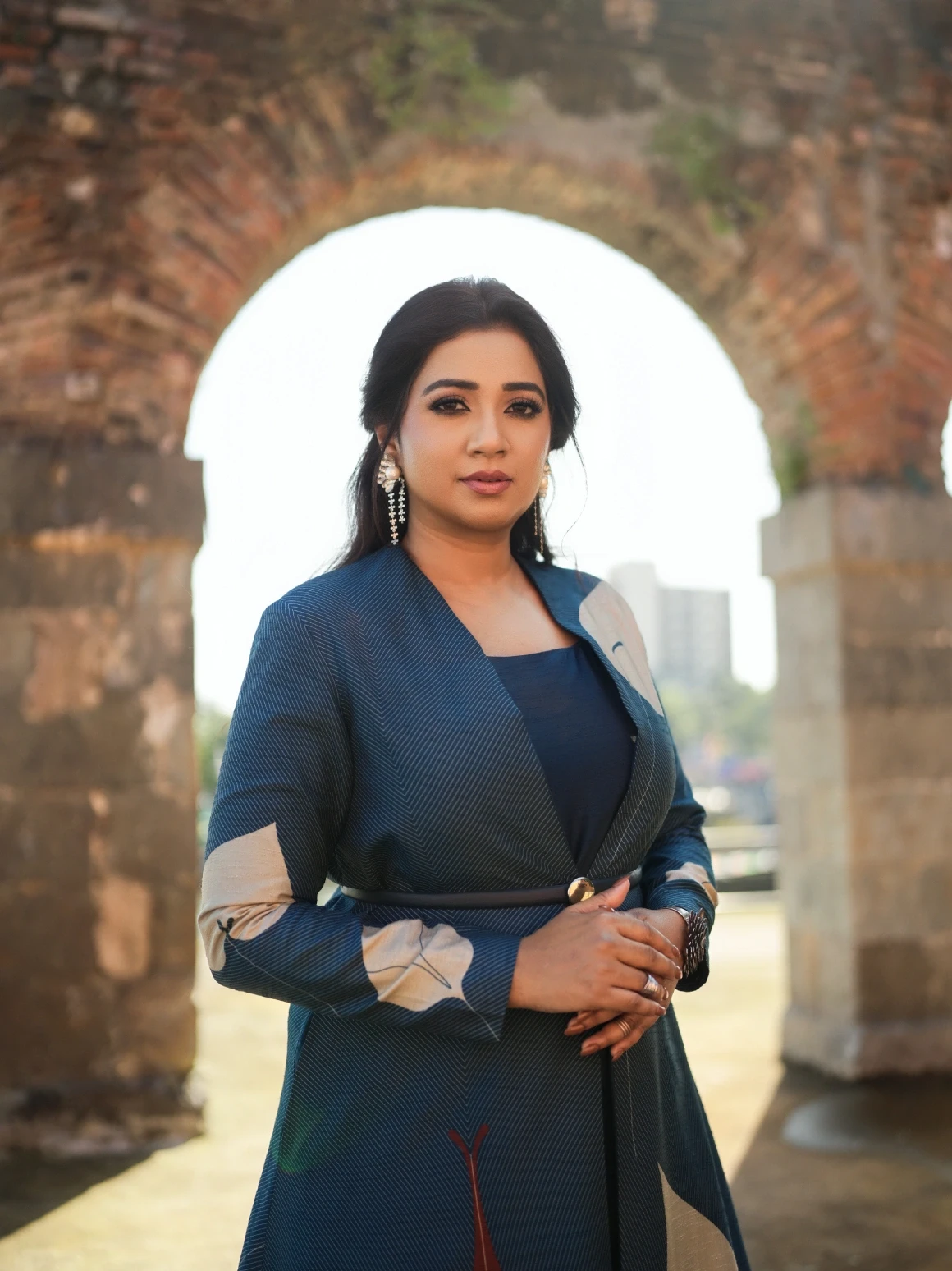
On a bright Monday afternoon, singer Shreya Ghoshal and her team welcomed Billboard India to The Sanctuary for an interview. Located in Mumbai’s Santacruz, the recording studio was built by Ghoshal and her father Bishwajit Ghoshal as a space for young artists to create without losing sight of what draws them to music.
“Songs with heart find their audience no matter what. My studio was built to support that kind of music, which is why it’s called The Sanctuary. I wanted it to feel like a place where you could come, sit and just be the artist you want to be; no outside noise,” she explains.
Ghoshal’s personal philosophy behind her studio extends to her idea, and possible plans for her dream music label. “I’d want the artists to feel free. You sit, you create, there is no rok-tok (nagging). No deadlines to meet, no algorithm to chase, no formulas to follow. That’s what I’d want,” she says.
While she wants to create opportunities for artists across genders, the singer is conscious of the lack of women in roles beyond singing, especially technical work. “I think my label would always welcome more girls because women do not enter the industry that often. Singers yes, but very few become composers, lyricists, even technicians for that matter.”
Ghoshal credits this clarity of vision and ambition to her own beginnings. “ I sent a home-recorded cassette to the Sa Re Ga Ma Pa team when I was a young girl from Kota. My dad recorded my audition on a little tape recorder with a mic connection, while my mother played the harmonium. It was a very rudimentary and noisy recording. But, it was heard by people who felt there was something amazing about the voice. These were people who believed in me. I need to do the same now that I have some privilege.”
For Ghoshal, creating a space for artists means more than providing a place to record. It means giving their music the time, trust and freedom to become what it is meant to be.