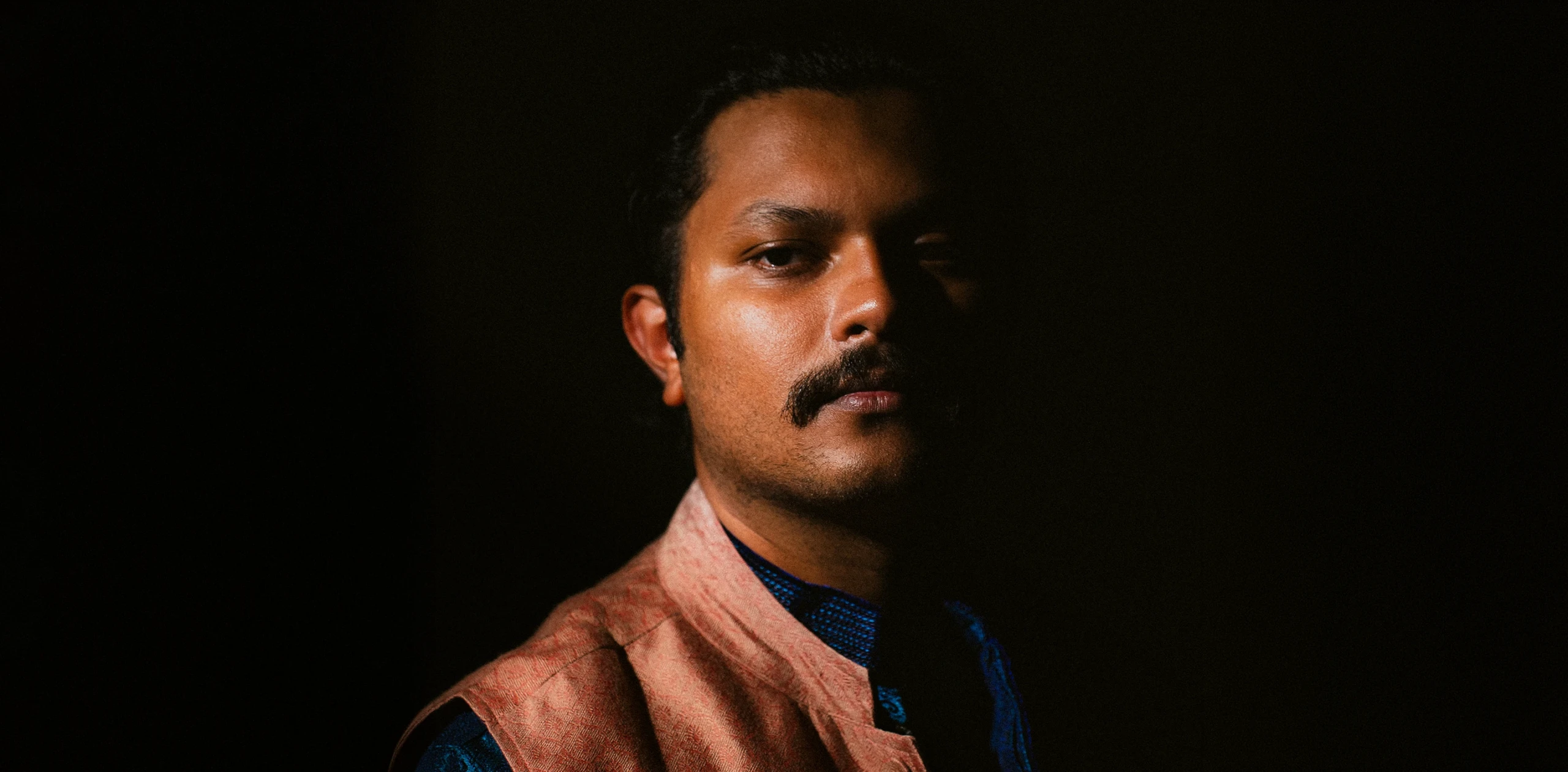

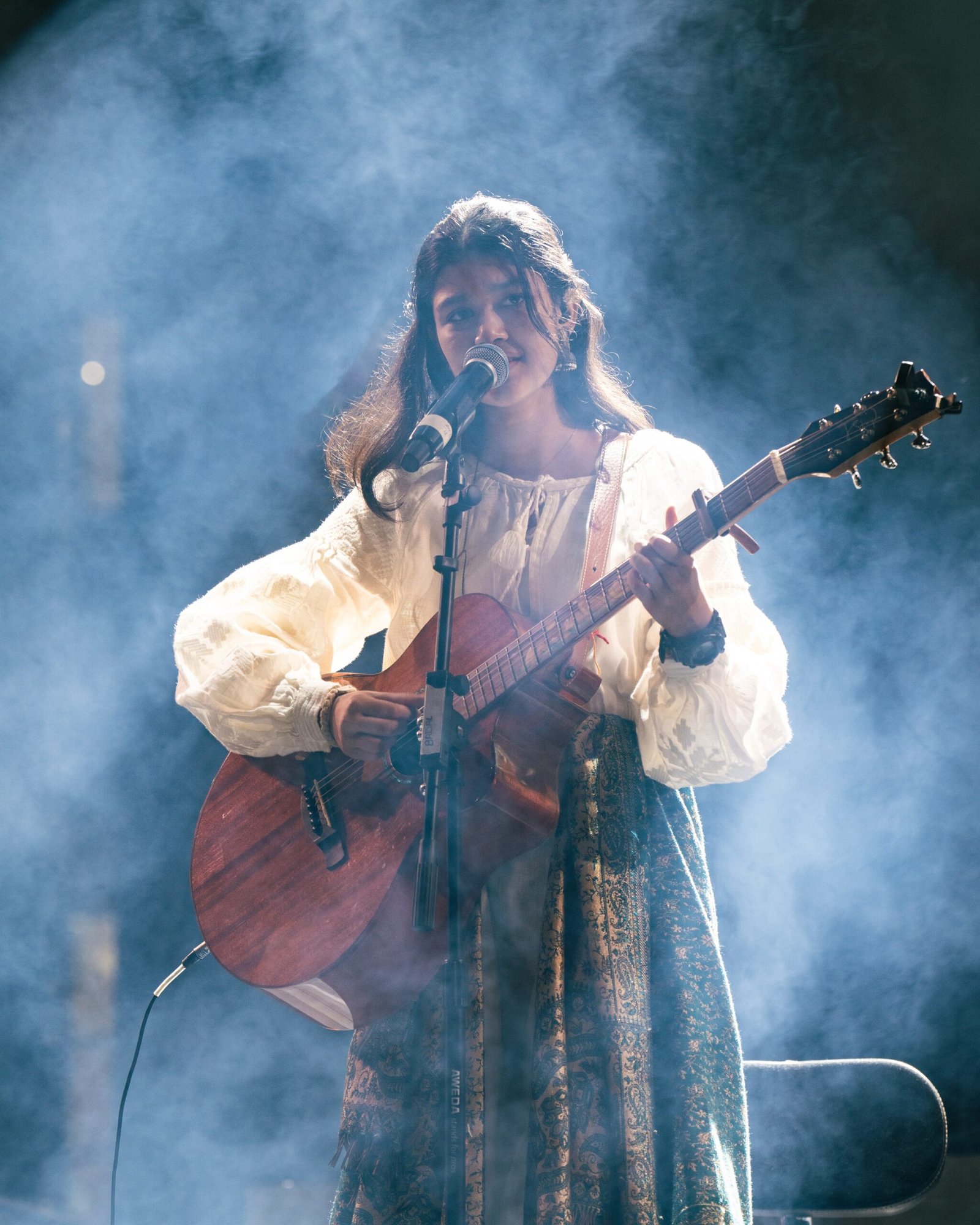
Delhi-based singer-songwriter Raman Negi went solo in 2022, after fronting Hindi rock band The Local Train. It came as a realisation to him then, that the repertoire of skill sets needed for an independent musician today also involve filming engaging reels, closing brand deliverables, chasing payments and checking ticket sales. Writing and recording music, which have so long been the core expectations, are only in part now. “Music is still the centre of everything. But you’re expected to be your own marketing team, content creator, brand manager,” he says. “There’s no big machinery behind you. The challenge becomes to conserve the part of me that just wants to sit with a guitar and write.”
Music Streaming vs Income Streams

Across conversations with artists, managers and live industry professionals, one fact emerges clearly: there is no single income stream that can sustain most independent artists in India today.
Arjun Shah, founder of Shark & Ink, which manages artists like The Yellow Diary, and DJ Sartek, says there is “no standard formula” for how an artist earns. A typical independent artist’s income is divided across live, streaming and brand relationships. Dev Bhatia, COO of Big Bad Wolf, puts the number for live income at roughly 90 percent for independent artists in India, while brand deals sit around 7 percent and streaming contributes only about 3 percent. Streaming, masters and publishing income, he says, “build profile; but rarely build a bank balance.” Henna Brar, founder of Intersect9, which manages artists such as Anushka Manchanda aka Kiss Nuka and Dualist Inquiry, calls live performance the “economic backbone” of the independent ecosystem.
Streaming Is Visibility, Not Livelihood
For most artists, recorded music travels farther than ever, but pays less than expected. Shah considers streaming valuable, but not a primary survival engine – unless an artist is delivering consistent hits and has ownership of their music.
Bhatia is more blunt. At around 3 percent of total income for many artists, and lower for some, Bhatia thinks streaming is “nowhere near a livelihood” in India. He points to low per-stream payouts and the continued presence of free-tier listeners, which limits revenue even as listenership grows. However, artists cannot ignore streaming. It is the calling card that travels when they cannot. Negi says recorded music can reach someone “at 2am in a city you’ve never played,” while live performance is where the audience talks back.
For Mumbai-based singer-songwriter Gini, her biggest independent song earns about Rs 60,000 to Rs 75,000 per quarter, and her overall income is split 25 percent from streaming, 25 percent from live shows and 50 percent from brand deals.

The Hidden Costs of Live
Mumbai-based DJ Sanjay Meriya who uses the alias The Spindoctor says his current per-gig fee ranges from ₹1 lakh to ₹5 lakh, depending on whether they are happening at a club or a private gigs or a large-scale music festival.
But for bands and larger live setups, the margins can narrow sharply. Yama Seth, head of talent at Level House India informs us that in a typical landed festival booking, the revenue also has to account for the crew’s travel-boarding-lodging and technicians fees.
Anirudh Voleti, VP of Artist Management and Live Touring at Only Much Louder, tells us that artist fees in the public domain can range from as low as Rs15,000 to several crores, depending on where an artist sits in the market. What determines value, he says, is not just popularity but uniqueness, ticket-selling ability, whether the artist is replaceable on a lineup, whether they are a category creator or leader, and what kind of audience they bring to a show.
The Artist As Content Engine
Gini spends about a week a month on content and marketing tasks. For Spindoctor, content is “essential, not optional.” He sees it as a discovery tool and a live portfolio. While most of his bookings still come through promoters or agents, social media brings in four to five inquiries a month, with one or two converting into confirmed bookings.
The pressure to stay visible now sits beside the pressure to make good music. But the emotional cost of that visibility is real. Negi describes social media as all three things depending on the day: a creative extension, a necessity and something to balance carefully. Some days, he says, sharing something raw or unfinished feels meaningful. Other days, “it feels like a tax you pay for existing as an artist.”
Brand partnerships have become an increasingly important revenue stream, though access remains uneven. At the emerging stage, says Shah, they are often limited to barter or small paid deals, but at the top tier, brand earnings can rival or even surpass income from music and live shows, with brands increasingly investing in artists who have a distinct identity and loyal community. For Mumbai-based singer-songwriter Gini, brand collaborations account for half her income.
The Tier Gap
It seems that the gap between emerging, mid-tier and established artists is pronounced. Brar says that only a handful of independent artists in India are able to sustain themselves full-time through music, with an even smaller fraction doing so comfortably. She points to delayed payments as a structural problem, especially for emerging and mid-tier artists who lack leverage. At the top tier, 100 percent upfront payment clauses are more standard, insulating bigger artists while shifting risk downward.
The live ecosystem has its own bottlenecks. A lack of smaller performance venues is holding back new artists. Under-21-year-old artists cannot easily perform at alcohol-linked venues. Spaces such as The Humming Tree in Bengaluru, Bonobo, antiSOCIAL and The Habitat in Mumbai, and The Pianoman Cafe and Studio XO in Delhi NCR, have helped artists build audiences, but there are not enough such rooms. This matters because every headliner begins somewhere. Without small rooms, there are fewer places to fail, learn, gather fans and grow.
Turning Attention Into Income
What emerges is not a simple story of struggle. It is a story of adaptation.
Artists are responding to low streaming income with creative methods including brand work and event IPs. The Yellow Diary tours extensively, as their income is driven predominantly by live performance. Artists such as OG SHEZ and Kiss Nuka, are beginning to explore direct-to-fan ecosystems through platforms like Bandcamp and merch-led models, where community can translate into tangible support.
Negi believes that an artist’s perspective must come through in their work. He reminds us that beyond all these systems, “longevity is not a genre, not a look or some strategy for visibility,” he affirms.