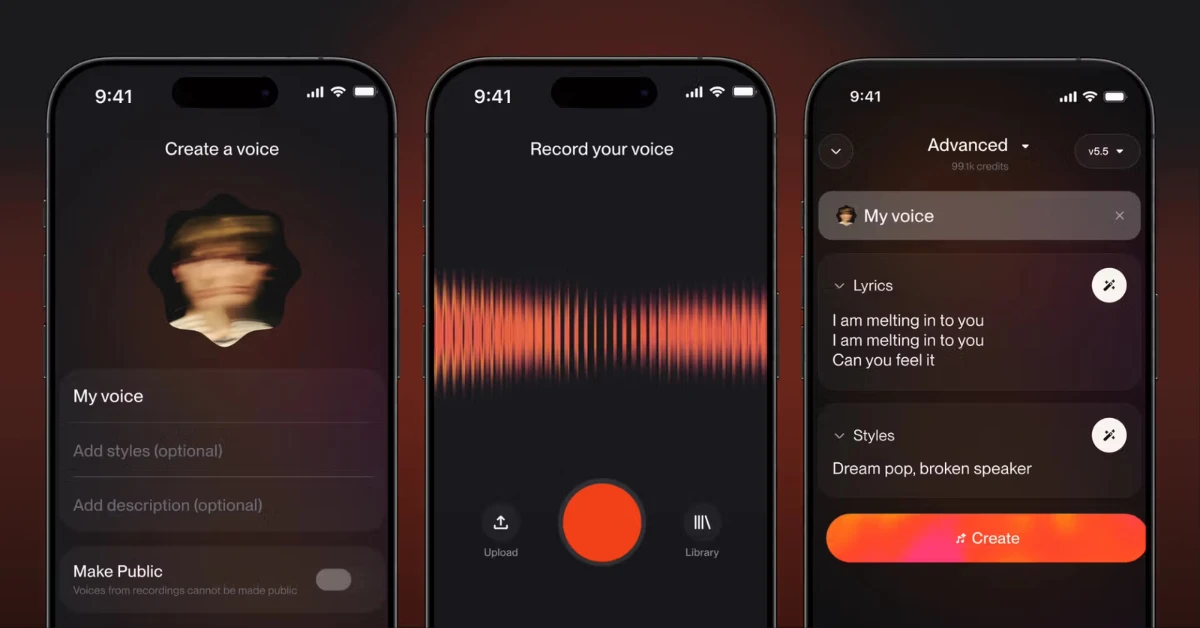



As of November 24, Tidal has banned 100% AI-generated music from its platform, marking the second major crackdown on AI music this year. The first came from Bandcamp in January, which prohibited releases generated wholly – or even substantially – by AI.
Streaming platform Deezer’s April update highlighted a crucial number: over 75,000 AI-generated tracks are uploaded on it daily, amounting to roughly 44% of its daily uploads. It’s not the only one. As AI music continues to evolve, platforms too, are coming up with different ways to showcase the tracks (or not).
Billboard India maps how streaming services are responding to the rise of machine-generated music.
Updates listed in descending order.
November 2026: Tidal bans wholly AI-generated music
Music and video streaming service Tidal bans wholly-AI generated music – enforceable December 9 onwards. Tracks assisted by AI tools will remain on the platform.
October 2026: YouTube Music labels AI-generated music
AI labels now appear on the YouTube player page for songs either made wholly, substantially, or partly with AI. This is a disclosure move – and does not mean that AI tracks will be removed from the platform or demonetised.
October 2026: Deezer adds an AI filter
A day before YouTube’s announcement, streaming platform Deezer said users will be able to remove fully AI-generated music with a toggle.
August 2026: Spotify adds “AI Persona” badge
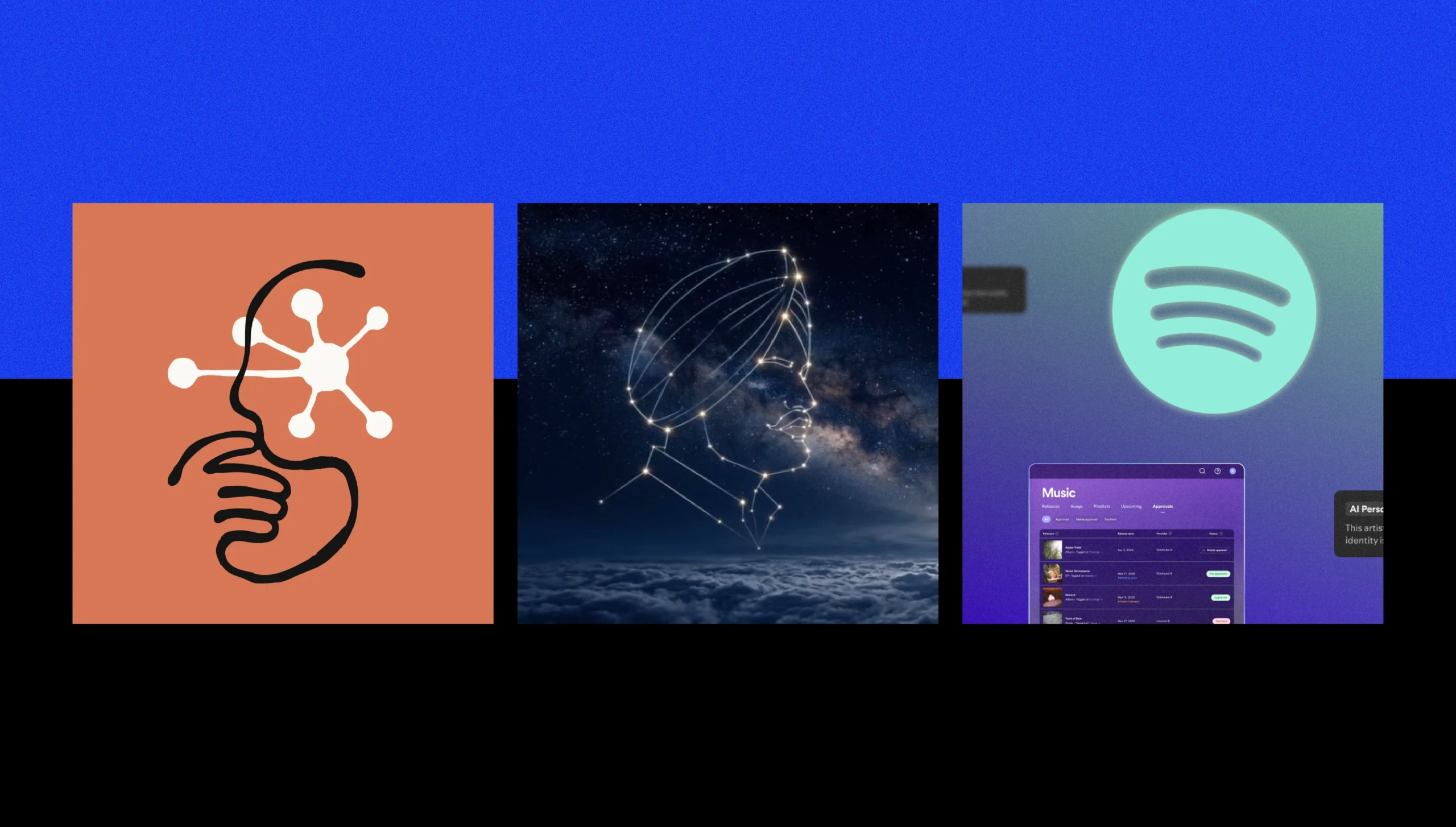
Artists can self-disclose an AI Persona on Spotify from August 11, effective September. Spotify may apply a “Likely AI Persona” label (which artists can appeal) and exclude the artist from recommendations. This feature concerns the artist’s public identity, not how the music was made.
June 2026: Tidal cuts royalties
In a policy published on June 29, Tidal said it would not knowingly pay royalties on wholly AI-generated music. A listener-facing “AI” tag and removal of deceptive and impersonating tracks followed on July 15.
April 2026: Spotify tests AI credits and verifies real artists
Spotify began testing AI tags where an artist discloses AI use through their label or distributor. On April 30, it launched “Verified by Spotify”, a badge with a green checkmark for profiles confirmed to represent human artists.
March 2026: Apple Music introduces Transparency Tags
Apple chose self-declaration. Labels and distributors can tag AI use in artwork, tracks and compositions, and Apple has said the tags will become mandatory for new content. This move works on trust – if a tag is omitted, Apple will assume no AI was used.
January 2026: Bandcamp bans AI music
Music distributor and community platform Bandcamp blanket-banned music generated wholly or in substantial part by AI. It doesn’t rely on automated detection – and asks users to report suspected AI music for review, and reserves the right to remove tracks on suspicion.
September 2025: Spotify prevents impersonation
Spotify followed with an impersonation policy, a spam filter, and support for an AI-disclosure standard – which lets credits show whether AI contributed towards vocals, instrumentation, or post-production. Spotify said it had removed over 75 million spam tracks in the past year.
June 2025: Deezer launches the “world’s first AI tagging system”
Deezer had been running an AI detection tool since January 2025. In June it put that tool to use for listeners, labelling albums that contain fully AI-generated tracks. It also pulled those tracks out of algorithmic and editorial recommendations.