
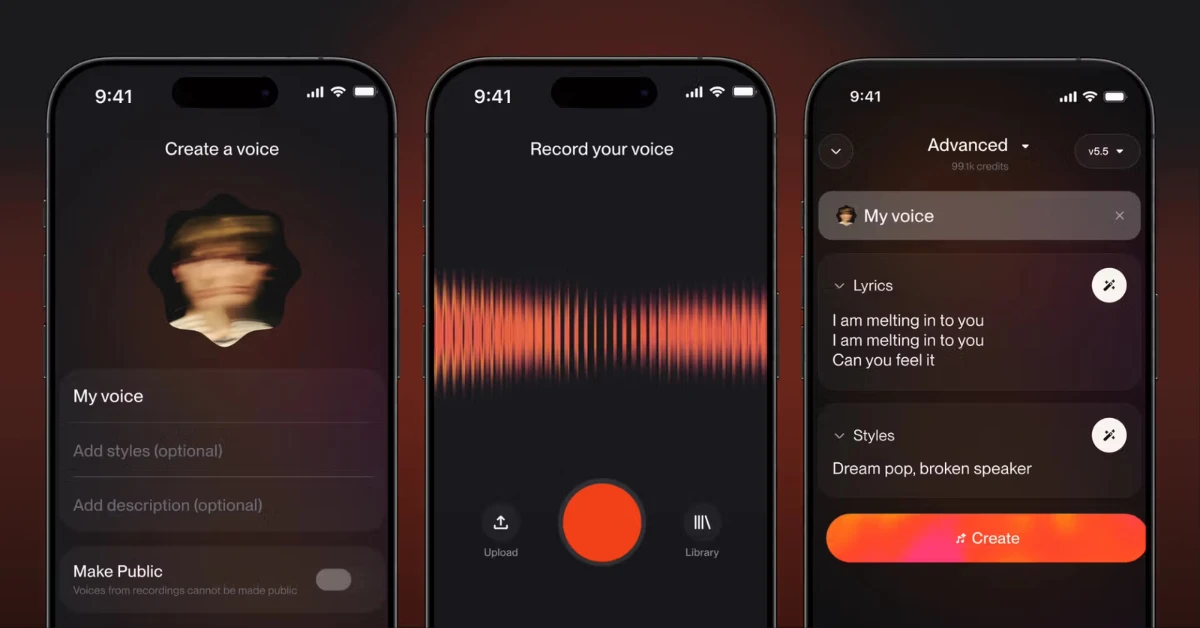
AI has fast become a mainstream music-making tool. Text-to-music platform Suno can generate complete songs from a written prompt in seconds, while AI music startups like India’s Soundverse have attracted millions of users looking to create vocals, instrumentals and entire tracks using generative AI.
Many artists and record companies have embraced AI as a songwriting, production, distribution, and marketing tool. Others – including major labels, publishers, and musicians – argue that many generative AI systems were trained on recordings without permission and allow users to create unfair imitations of artists’ voices.
As AI-generated music continues to flood streaming platforms and social media, Billboard India tracks the tussle between AI and artist rights.
November 2026: Eminem, Elvis Presley take Suno to court
Music rights holders for Elvis Presley and Eminem sue AI music generator Suno for allegedly using copyrighted recordings without permission to train its AI model.
September 2026: Musicians sue Suno over alleged unauthorised use of their identities
A group of musicians, including Jason Isbell, Lowery, Forsyth and Calle, filed a lawsuit against Suno, focusing on alleged violations of “identity and personality rights”.
A copyright lawsuit examines if an artist’s finished product — their music — was used without permission. An identity-based lawsuit questions if an AI company can use the artist’s voice itself.
April-June 2026: Taylor Swift, Lionel Richie, Backstreet Boys attempt to trademark their voice
Singers Taylor Swift, Lionel Richie, and band Backstreet Boys have filed applications to register recordings of their voices as “sound trademarks” in the US. These applications cover specific spoken phrases rather than their voices as a whole, and are seen as a way to protect the artists against AI-generated voice imitations. The trademark has not been confirmed for any of them yet.
February 2026: Jubin Nautiyal secures protection against AI impersonation
Indian playback singer Jubin Nautiyal secured protection from the Delhi High Court against unauthorised use of his identity through AI-generated voice models, digital avatars, and other synthetic content.
The case was about AI impersonation extending to digital versions of artists that audiences may mistake for genuine recordings.
September 2025: Asha Bhosle secures interim protection against AI voice cloning
Veteran playback singer Asha Bhosle’s voice was granted protection by the Bombay High Court after she alleged that AI platforms and online services were commercially exploiting her voice without consent.
February 2025: Musicians release a silent album to protest AI copyright exemptions in the UK
More than a thousand musicians, including Kate Bush, Annie Lennox, and Damon Albarn, released a silent album called Is This What We Want? — with recordings of silence and track titles spelling out an anti-AI message — to protest the changes to UK copyright law that would have allowed AI companies to use creative works for model training.
July 2024: Arijit Singh secures landmark protection against AI voice cloning in India
Playback singer Arijit Singh was given relief by the Bombay High Court after alleging that AI platforms were enabling clones of his singing voice. One platform trained a model to create an AI version of Singh’s voice. The court protected Singh’s name, voice, and personality in its ruling.
The decision was the first of its kind in India — and recognised the importance of protecting a musician’s voice and identity.
April 2023: Grimes sells permission to use her AI-generated voice
Canadian musician Grimes allowed other creators to use an AI model of her voice to produce music through her platform Elf.Tech. She offered a 50% royalty split — proposing a model where artists could earn money from the use of their digital voices.