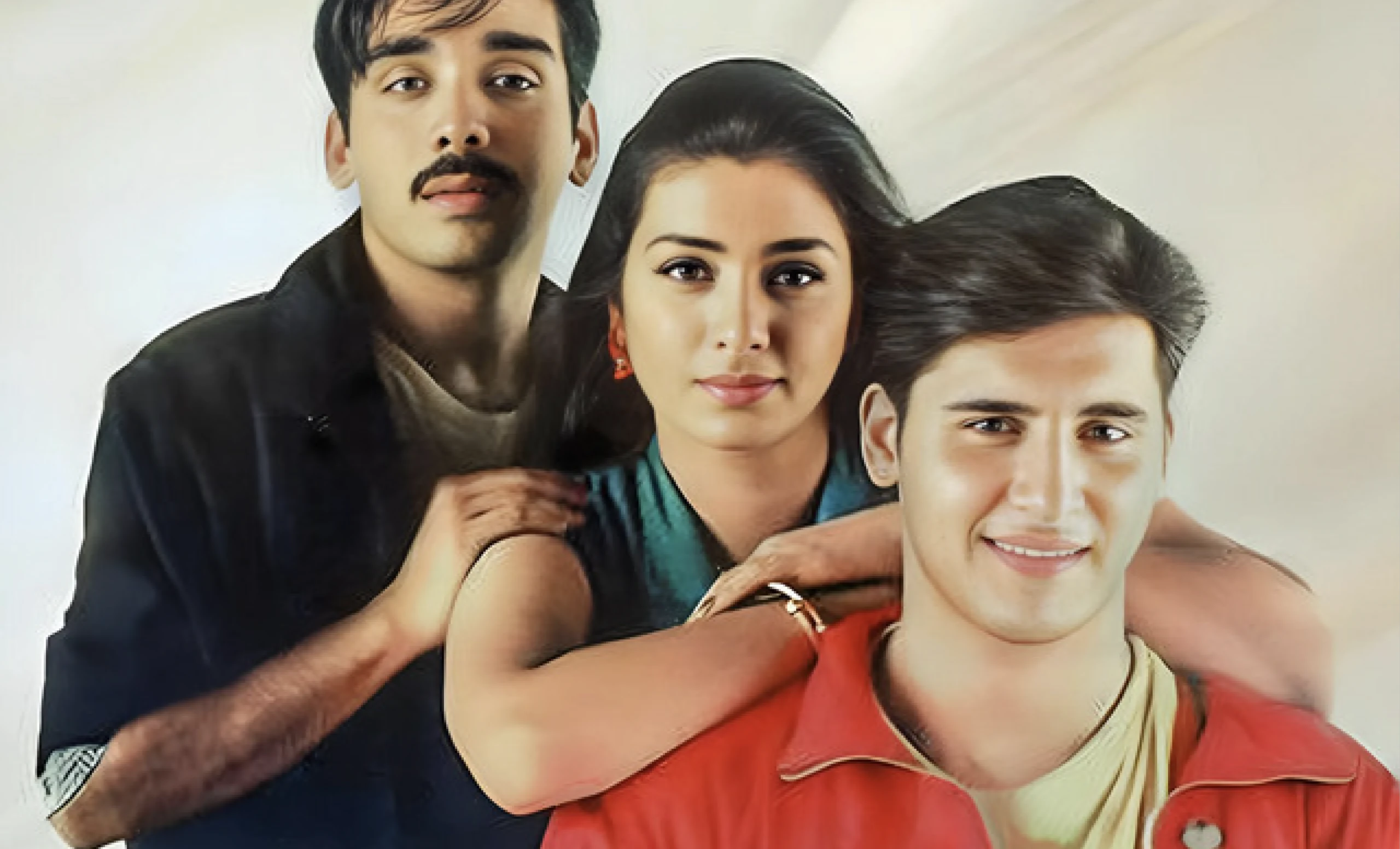

RJ Rohini remembers the evening. The entire Fever FM team huddling together to figure out how to console their listeners. Arijit Singh had just posted a note to Instagram saying he was no longer going to take playback singing projects. “I am calling it off. It was a wonderful journey,” wrote the “Channa Mereya” crooner. The entirety of the next day was dedicated to Singh, with requests coming in from all across the country. “The radio sounded beautiful that day. We were able to acknowledge the feelings of our listeners,” the RJ reminisces.
Playback singer and indie artist Varun Jain echoes the nation’s sentiment when it comes to Singh bidding adieu to playback. Jain found it to be one of the saddest things for him, “both as a listener and a student of music.” He isn’t sure whether the larger-than-life aura and glitter that the craft of playback once had will persist. “I cannot deny that playback singing requires a completely different level of skill, emotion, control and understanding of cinema,” says Jain, adding how it is not an easy craft at all.
The tenor and timbre of Singh’s voice reflected the versatility demanded of the craft – with raw, potent delivery on “Kesariya” to delicate serenading on “Raabta” and the vulnerable angst on “Tum Hi Ho”. Singh could playfully lilt on a “Sajni” and use the same physical tool to channel millennial vitality on an “Ilahi”. From belting anthems such as “Bulleya” to romantic breeziness on “Chaleya” – Singh always understood the assignment. Can the next generation promise that supposed effortlessness to a skill so intrinsic to the soul of Indian cinema? But the larger question is, does playback even command the same allure as it did all these years? In a world where one reel going viral could launch your solo career, we probe if it even is the end goal of aspiring singers today.

Music producer Himonshu Parikh, who worked with Singh on tracks like “Kesariya” and “Apna Bana Le,” when asked about where the pure craft of playback is now headed, says, “As a culture Bollywood films have always been musicals. And till that doesn’t change, playback isn’t going anywhere.” Parikh is not worried about playback disappearing anytime soon, and is confident that OTT content will bring in more music and vocal opportunities.
Music executives offer a varying outlook. Mandar Deshpande, Head of Music Publishing and Sync Licensing at Madverse Music Group x Kobalt Publishing, is of the view that the number of playback songs being recorded have reduced. Deshpande attributes easier sync and licensing deals for OTT, multi-composers film albums and the decrease in Bollywood’s signature lip syncing style of film music for this. If we were to bring back the heydays of playback, we have to bring back “the literature,” he asserts. Poets for their beauty of language, pronunciation and authenticity that cannot be created by AI, and composers who believe in those ideals will be able to save the culture, believes Deshpande.
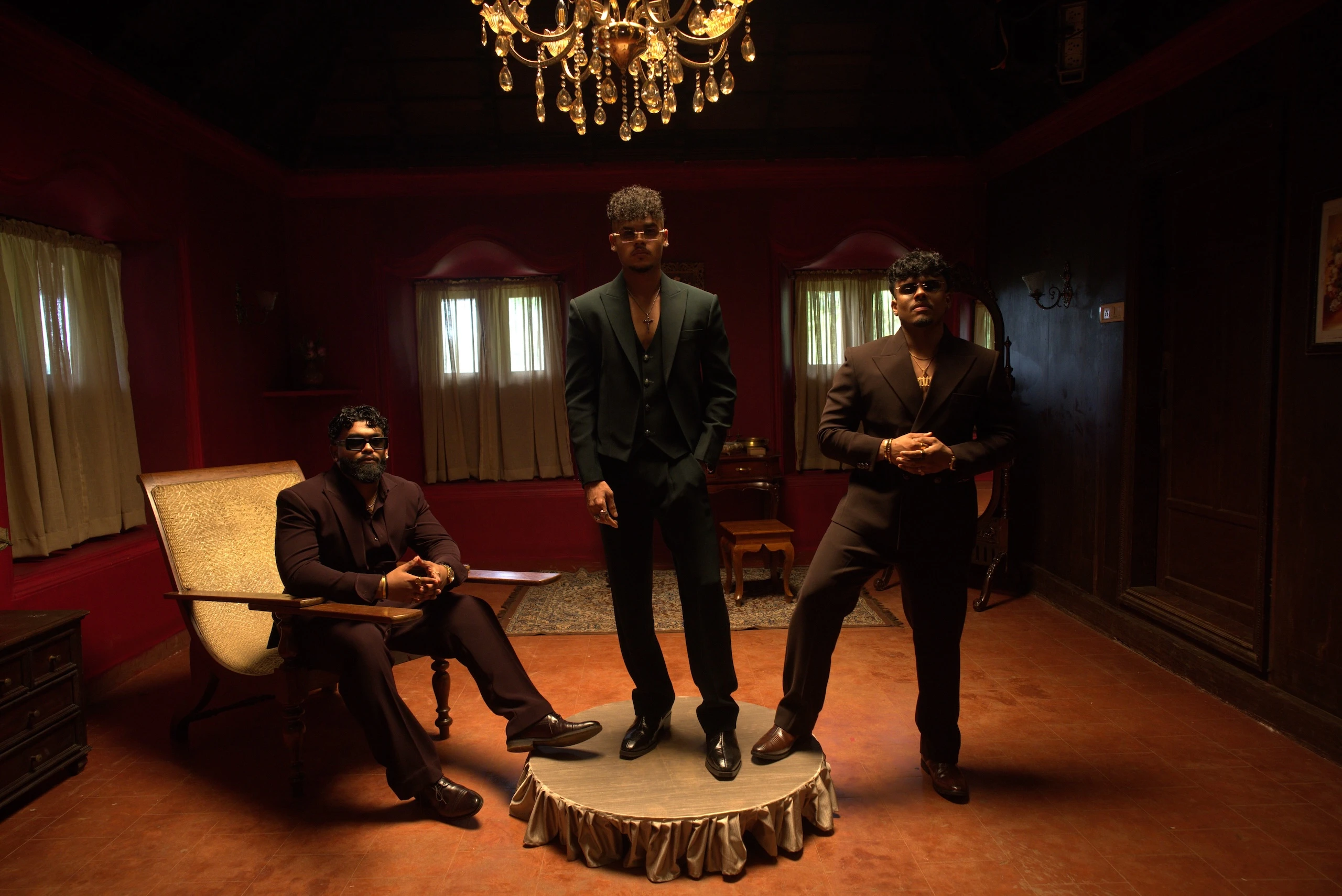
Breakout I-pop duo Garvit – Priyansh are of the same opinion. “It is concerning that people no longer understand the value playback adds to an entire song,” they comment, also sharing their apprehension over AI being used in the recording industry, instead of opportunities to real playback artists.
Garvit – Priyansh are one of many artists today treading the line between independent music careers and contributing music and vocals for films and OTT. Soul, blues and jazz vocalist Vasundhara Vee who has sung playback for movies like Dhaakad and Ved, believes singers today can walk as many or as few lanes as they truly want. “I like to look at everything as avenues for people to utilise their craft. Your authenticity will shine in every way you intend for it to,” says the voice optimisation coach. For Vee, singing for film and OTT happened organically. Ajay (of Ajay-Atul) heard her single “Run” and wanted a tone like hers for “Besuri” (Ved, 2022). Vee had previously never thought of playback and was resolute about singing in her own way.
Mumbai-based indie singer-songwriter and lifelong Arijit fan Chaitanya Kapadia looks at playback and film music as a medium that was gatekept for the longest. “It used to be the only channel for singers. Being an artist is not just singing but also building a fanbase – whether it be indie music or playback,” says Kapadia. With streaming services and social media offering new mediums of distribution, he believes that the market has expanded. “The art of sur (tune or melody) and pitch were the main thing earlier, while today’s artist works as a company,” explains the independent artist, who adds that community building serves an artist the most today as they juggle business and creativity. Jain speculates similar reasons as to why the future of playback seems uncertain today. Acknowledgment of playback artists was conventionally less visible than the one offered to the composers for the same film music.
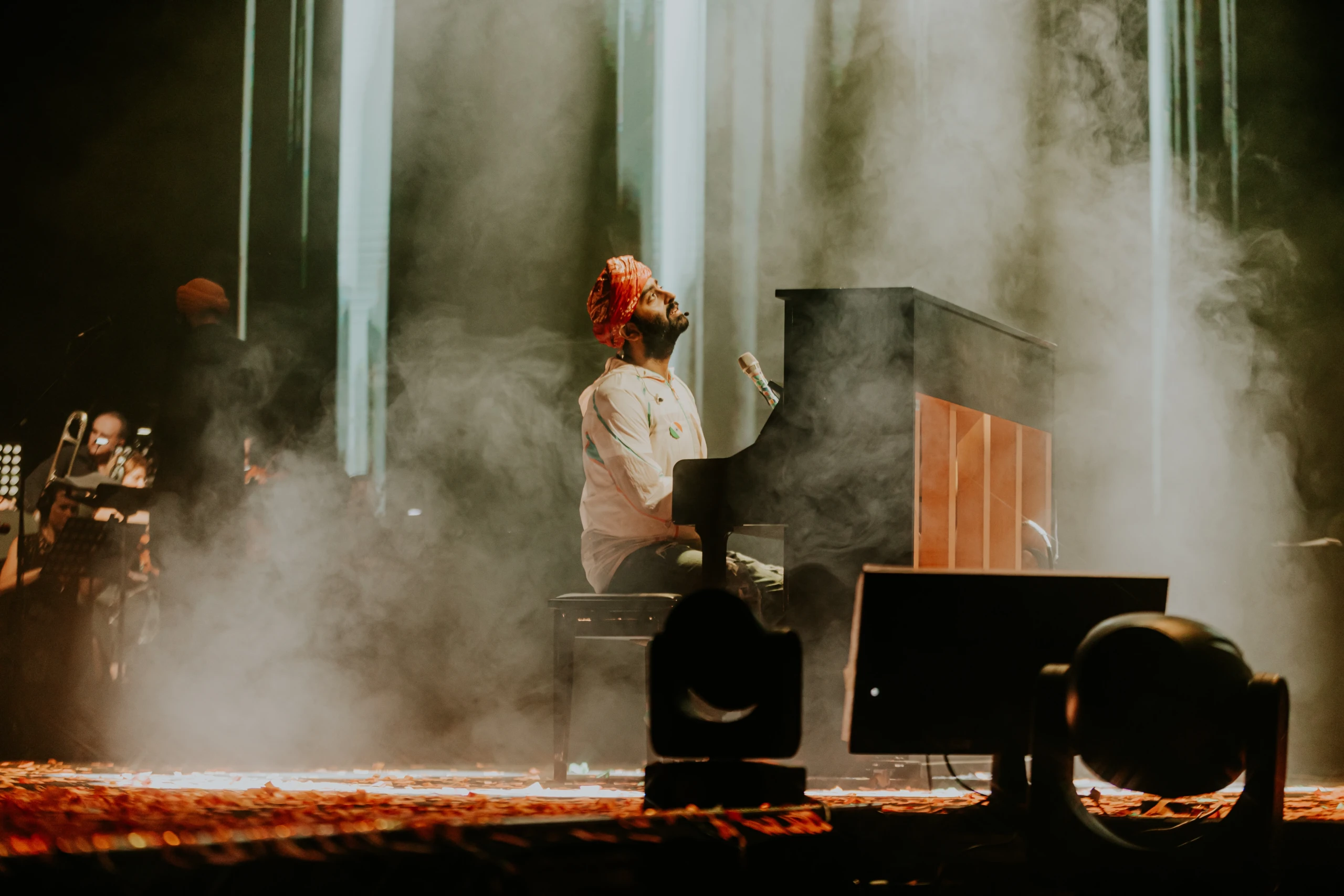
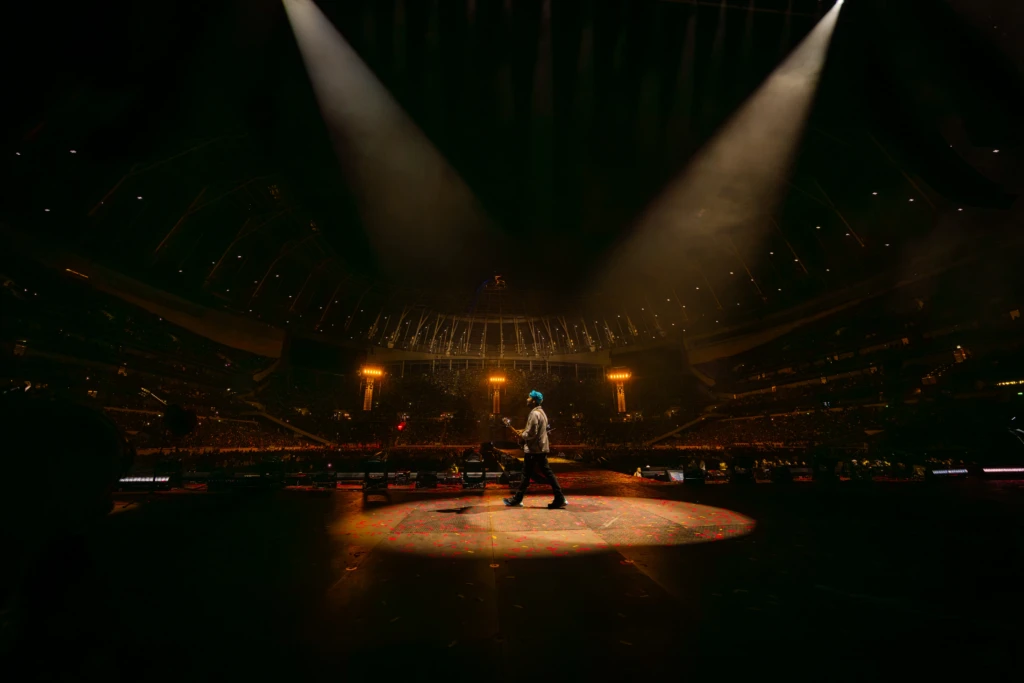
After a recent concert in Pune, an Uber driver was lamenting the low rate for the ride to this writer, as compared to the four-times higher surge rate post-Arijit Singh’s concert at the same venue. Singh’s hold over the art of playback and community fanbase had earned him a legendary, almost cult following. A comparable legacy seems unlikely to follow anytime soon from the film music industry. RJ Rohini shares that the airplay Singh received over the radio was possibly the maximum any artist could get in recent times, the volume and variety rivalled only by yesteryear’s Kishore Kumar. At Fever FM, with their ‘happening’ music policy, playing Singh’s music was default programming, due to the sheer prolificity of his voice. Rohini first noticed the Arijit fandom bubbling around 2013-14 with songs like “Muskurane Ki Vajah Tum Ho”, at a diaspora station in Singapore. As Singh’s collaborations grew richer with composers like A. R. Rahman and most recently, Ed Sheeran – the catalogue, demand and airtime only multiplied.
Varun Jain spent time with Singh in his hometown Jiaganj, West Bengal learning from the veteran artist. “He completely changed my outlook towards music and the way I approach work and creativity. The way he thinks about music is very inspiring,” says the “Ishq Hai” and ‘Tum Se” singer who was discovered by composer duo Sachin-Jigar. Jain posits that if Singh fully steps into creating and releasing music on his own terms, it could open up a completely new side of the icon for listeners. “I think many still underestimate how phenomenal he is as a composer and music producer as well. His understanding of melody, arrangements, emotions, and sound design is genuinely on another level,” adds Jain.
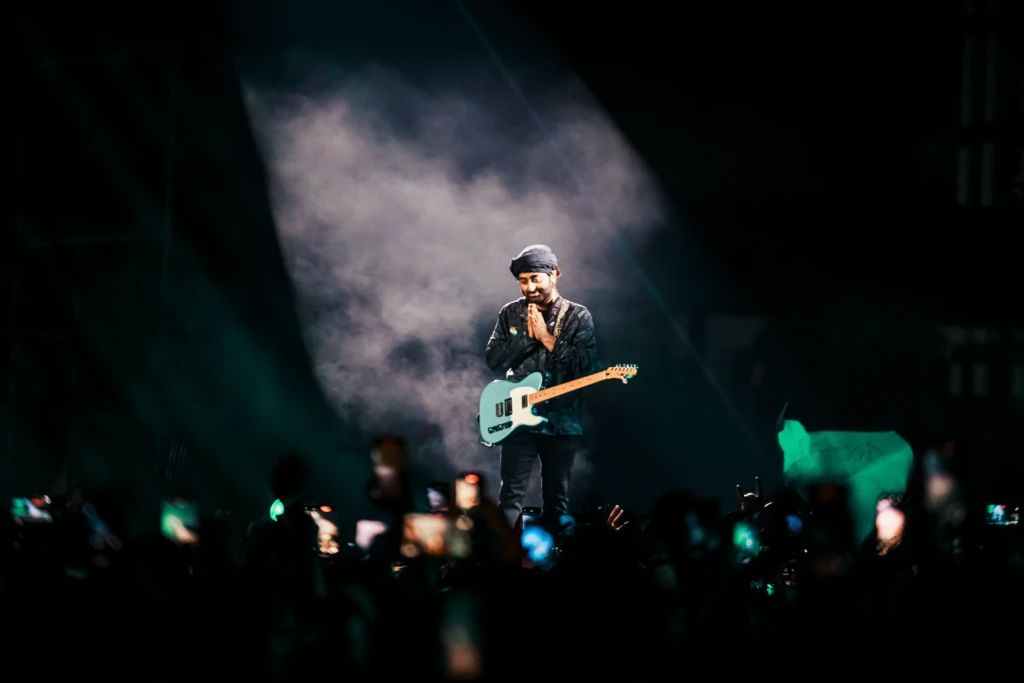
While no one can corroborate what Singh’s next step would be, or who could fill the void left – the grapevine speculates that Singh will create and release original music on his label Oriyon Music and collaborate with newer, fresher voices. As for who will rise to the challenge of lending one’s voice to effective storytelling and bringing characters to life on 70 mm, there are some pointers.
For male voices, many have placed their bets on new kids on the block like Faheem Abdullah of Saiyaara fame, Animal and Cocktail 2 playback artist Raghav Chaitanya, “Kaise Hua” (Kabir Singh) vocalist Vishal Mishra; or the bastion being passed over to the I-pop landscape towards artists such as Garvit – Priyansh or Aditya Rikhari, for finding that sweet spot between Bollywood grandeur and relatable songwriting.
Singers’ reasonable demands to have ownership of their work is marking the shift towards more control of their expression, whether via independent tours or creating their own music. Indie music as an avenue has changed the game completely for those dreaming of a singing career, as opposed to a decade ago. “Releasing independent music is the best way to showcase your voice on your terms in music you truly identify with,” elaborates Parikh. With India turning to an artist-led environment, he feels putting out your own music gives people a better idea of what you stand for musically.
While Singh’s influence has inspired a generation of singers, his absence in Bollywood shall probably give rise to a diverse range of musical voices taking centrestage and maybe not just one. Parikh, who also produces for indie band The Yellow Diary adds, “I do personally feel Arijit is an anomaly in terms of his combination of musicality and intelligence.” The silo-specialisation of playback might be in flux, but there seems to be no dearth of talent coming together to bring songs to life, much like how the film music and recording ecosystem functioned for decades. Artists like Sonu Nigam – who recently collaborated with budding indie producer Chaar Diwari, or Vishal Dadlani, who has always juggled the worlds of indie and Bollywood – prove that the wider umbrella of roles that go into the making of a song still hold space for diverse voices.