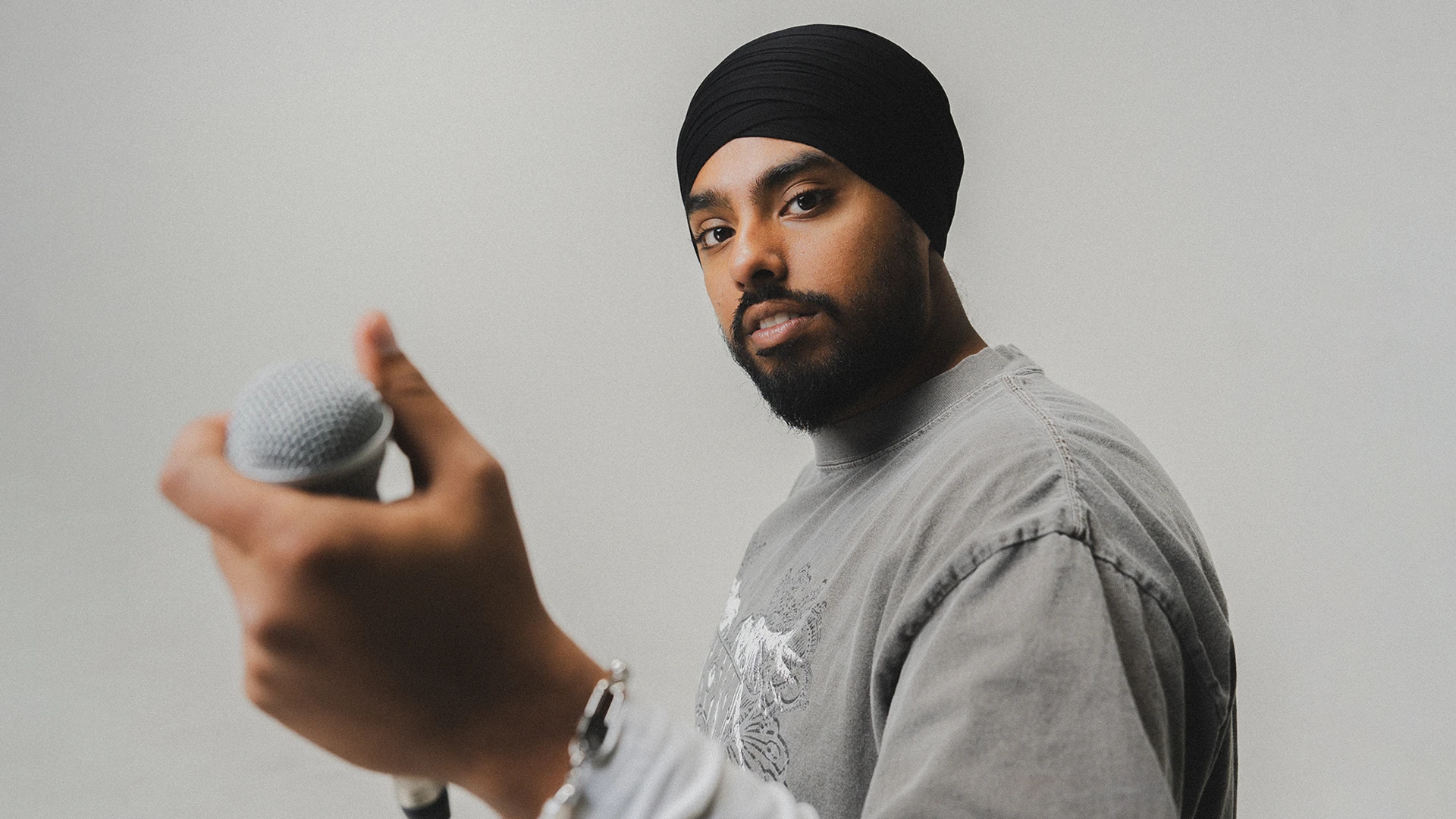
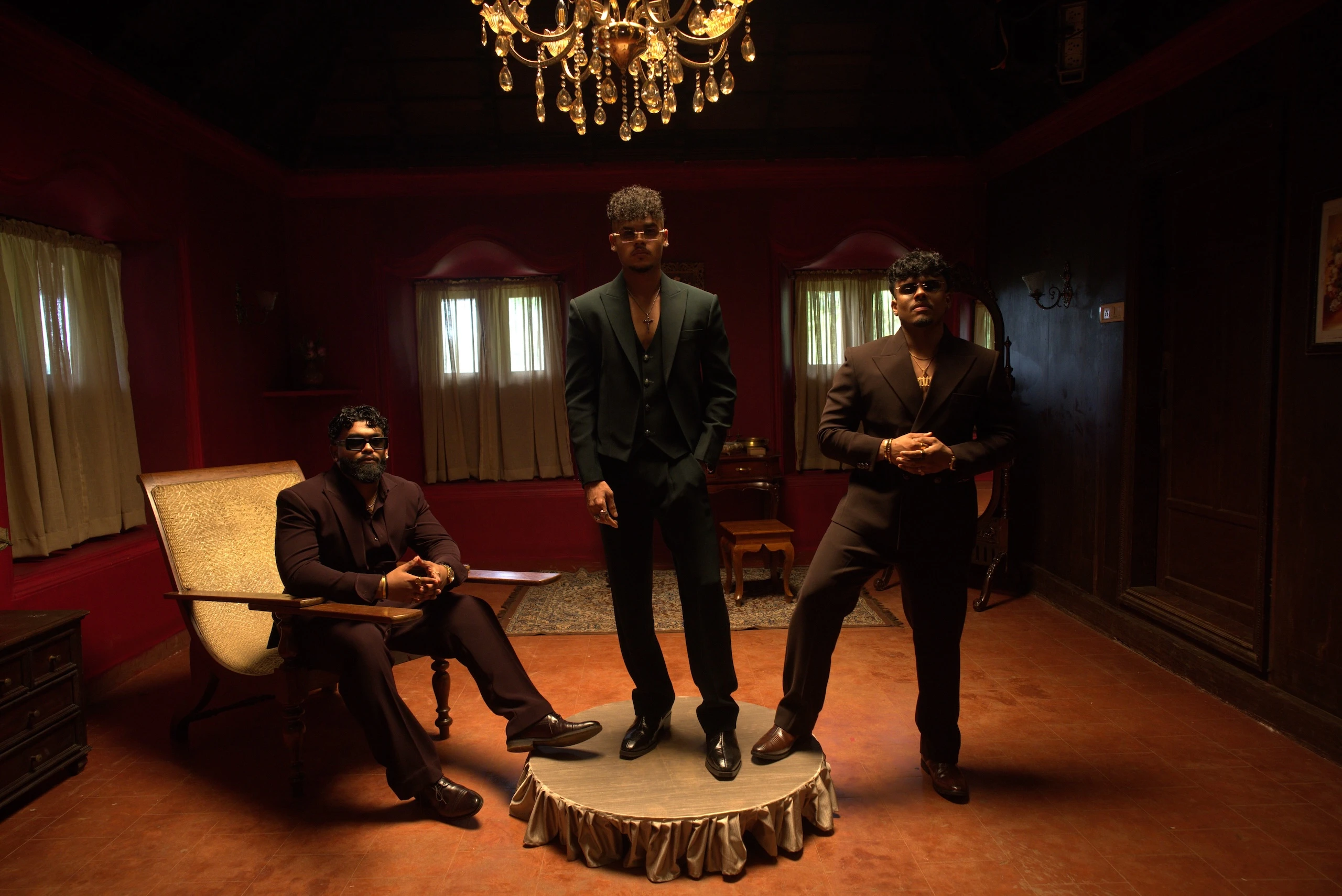
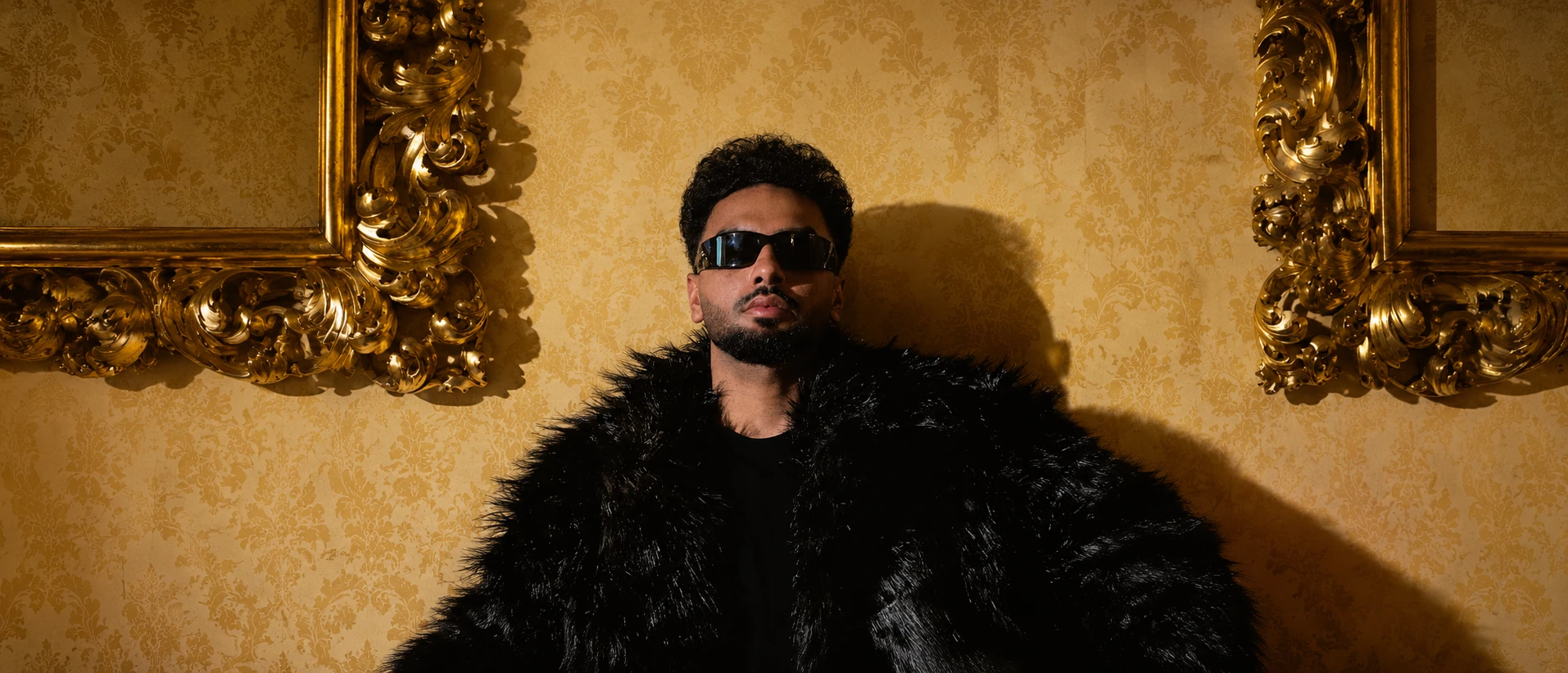
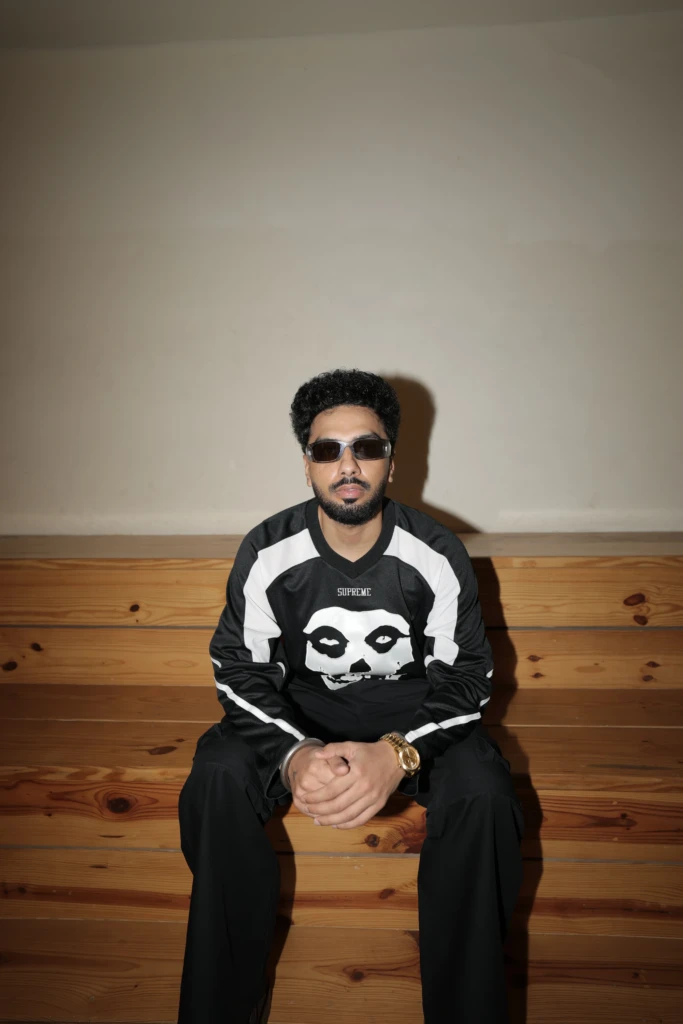
From Amritsar to the U.K., Navaan Sandhu has steadily carved out a lane that blends Punjabi songwriting with global influences. Fresh off the release of his latest album, Bipolar, the singer-songwriter is embracing a more expansive sound, drawing from hip-hop, UK garage and folk while still telling deeply personal stories. As Punjabi music continues to break onto the world stage, Sandhu is betting on authenticity over trends – writing from lived experience, collaborating across borders and aiming to take his music beyond the diaspora. In this conversation with Billboard India, Sandhu reflects on his vision for Punjabi music.
You moved to the U.K. at a time when your career in Punjab was taking off. Why make that move?
Back home, opportunities were becoming limited. I was working constantly in the studio. I could make 40–45 songs, while only a fraction would actually get released. Moving to the UK wasn’t easy, especially as a newcomer, but it opened a completely different world for me. I started collaborating with major artists and people from different musical backgrounds. It exposed me to so many different genres, and I started listening to music with a much wider perspective. I think every artist should study music beyond their own scene.
Your latest album is called Bipolar – a title that’s striking and emotionally loaded.
I never want to write about something I haven’t lived or felt. Most of my music comes directly from my own experiences. The album came from a really turbulent phase in my life. I was going through a lot emotionally, and I couldn’t even make music the way I wanted to. I couldn’t understand myself, and everything felt scattered. When I shared that with Mickey Singh (an Indian-American singer-producer and Sandhu’s collaborator), he said, “You’re constantly shifting – sometimes you’re happy, sometimes you’re low, sometimes you’re frustrated. That’s exactly what this album feels like.” Mickey was the one who introduced me to Damien Page Lewis, the sound engineer on the album. His experience as a Grammy-nominated sound engineer helped us improve the sound of the album by a lot.
We were initially thinking of calling it ‘Bipolar Frequencies’, but he suggested keeping it simple: Bipolar. It captured both where I was mentally and how the album moved across different moods and genres.
The mask from the album has become one of your signature visuals. Did you expect it to take on a life of its own?
It started as part of the cover artwork. I created the design in a 3D model, and then a friend helped me turn it into a real mask. It ended up connecting with people in a way I never expected and became a new identity for me. One of the proudest moments was seeing Spotify feature the album artwork alongside global releases. Seeing that kind of international visibility made me feel like we (Punjabi artists) are slowly earning our place on the world stage.
You trained in Punjabi classical music under the late Lachi Bawa, daughter of Gurmeet Bawa. How has that foundation shaped your music today?
Before that, I sang in a traditional style where everything was in a high pitch. I hadn’t really developed my lower register, and someone suggested I train with Lachi Bawa. I didn’t spend a very long time with her, but it was one of the most important phases of my life.
Along with helping me strengthen my vocals, she gave me the confidence to trust my own voice instead of trying to sound like someone else. She would always tell me, “Sing the way you sing.” She passed away some time ago, but I feel she gave me exactly what I needed at that point in my journey.
Your fans often point out that you write most of your own songs. How important is songwriting to your identity as an artist?
It’s very important, but I’m not rigid about it. Most of my music is written by me because I want it to reflect my own life and experiences. At the same time, if someone brings me a hook or an idea that connects with me, I’m happy to build on it. There’s no ego in that. In hip-hop, collaboration is part of the process. Even legends like Snoop Dogg and Dr. Dre have worked that way. At the end of the day, the goal is to make the best song possible.
Your songs often feel deeply personal.
I don’t make songs by thinking about what the audience wants to hear. I make music for other artists. If the people who understand the craft of music or the realities of life feel inspired by it, then I know I’ve made something fresh.
Is there a song you’ve written that felt especially personal?
“Yaad” was probably the most personal. Writing from your own life isn’t the hard part but finding a fresh way to say something that’s already been written about so many times. I never want to rely on familiar lines or clichés.
So much of Punjabi music revolves around guns, flex culture and hypermasculinity. But your songs are often about ambition, self-belief and perseverance. Is that a conscious choice?
I don’t think there’s anything wrong with making a fun, high-energy song once in a while. But when I think about the bigger picture, I know what kind of artist I want to become. I genuinely believe I can be one of the biggest Punjabi artists globally, and for that, I want my music to have a lasting impact.
A lot of artists don’t have the patience to let a different kind of music grow. It’s easier to chase what’s already working. For me, though, the music has always been motivational. Even when I write about cars or success, it’s never just about showing off – it’s about the journey behind it. The most rewarding part is when people tell me my songs pushed them to work harder or keep going. That’s the kind of music I want to keep making because I want people to leave feeling inspired.
Punjabi music has become a global force in recent years. Where do you think the scene goes from here?
I think we’re already there. Punjabi artists are collaborating with major international musicians, making bigger videos and reaching audiences across the world. Wherever I travel, I see people from different backgrounds embracing Indian music across languages. They know artists like Arijit Singh, even if they don’t speak Hindi, and Sidhu Moose Wala, even if they aren’t Punjabi.
The next step isn’t global recognition – we’ve already earned that. What we’re still waiting for is institutional recognition. I’d love to see Punjabi music have the same space that Latin music has today: its own category, its own place on global stages and at major awards. That’s the next milestone for us.
Is there a sense of community among Punjabi artists?
I think the industry is in a great place, and every artist brings something unique. The one thing I’d like to see more of is artists supporting each other publicly. Fans don’t know what happens behind the scenes. They only see what we choose to show them. Whether it’s promoting someone’s album, showing up for a concert or collaborating more often, that kind of unity only makes the entire scene stronger.
Personally, I have a lot of respect for every artist. Even if I’ve had disagreements with someone, I never question their art. Everyone has earned their place.
What does success look like over the next few years?
Right now, my focus is on building as a live performer. I finally have a catalogue of songs that I feel confident taking to concerts and festivals, and that’s something I’m taking much more seriously. As an independent artist, I’ve always believed in growing steadily rather than rushing things.
Collaborations are another big priority. They’re probably my favourite part of making music. Whether it’s with artists from anywhere else in the world, I want to keep working with people who push me creatively.