It is a summer evening in Kathar, a village in Punjab’s Jalandhar district. Inside a local gym, a speaker no bigger than a shoebox, sits wired to a woofer thrice its size, propped up on a stack of weight plates. The bass cuts through the clang of barbells and the grunts of a final rep. Nobody bothers with earphones here.
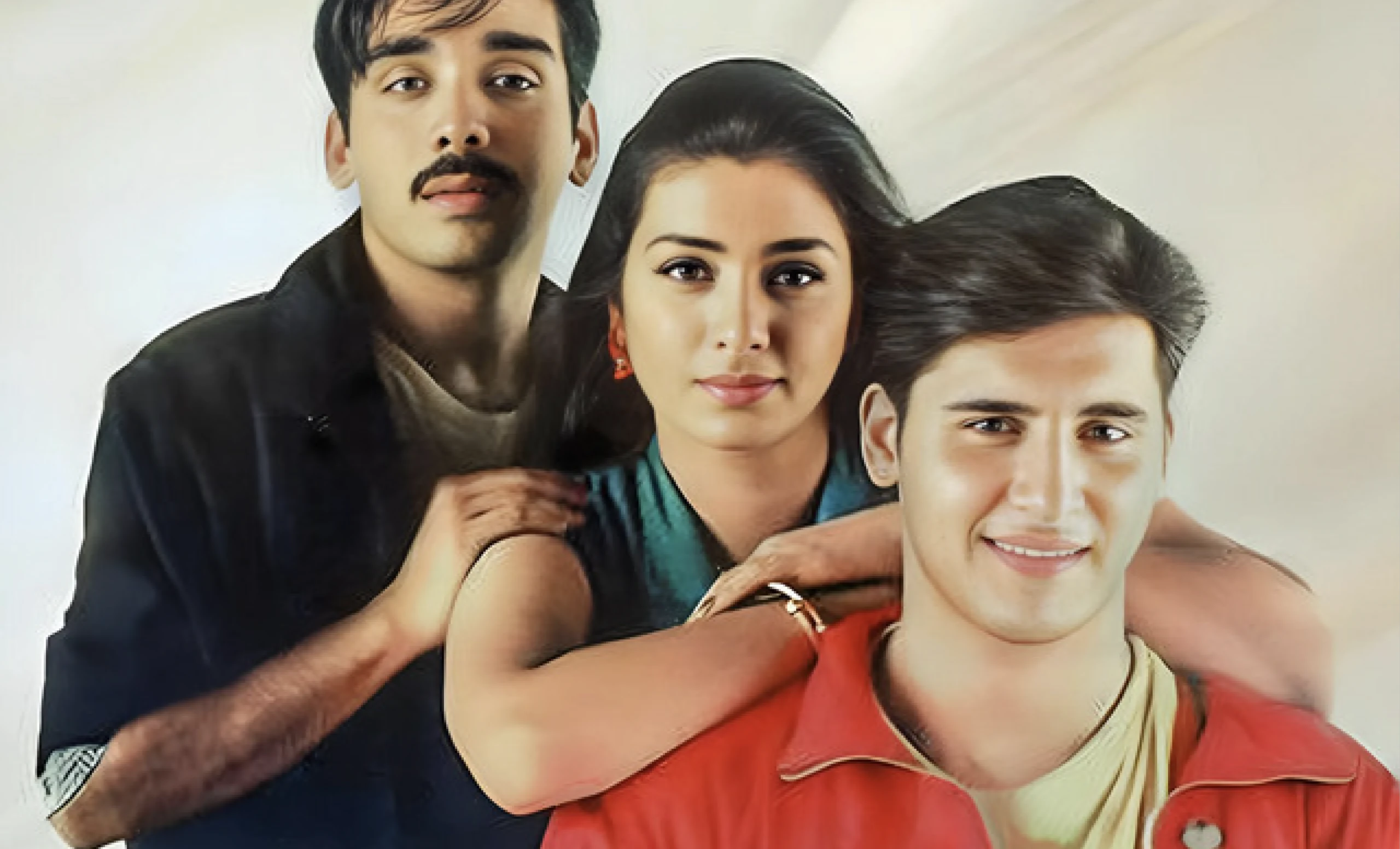
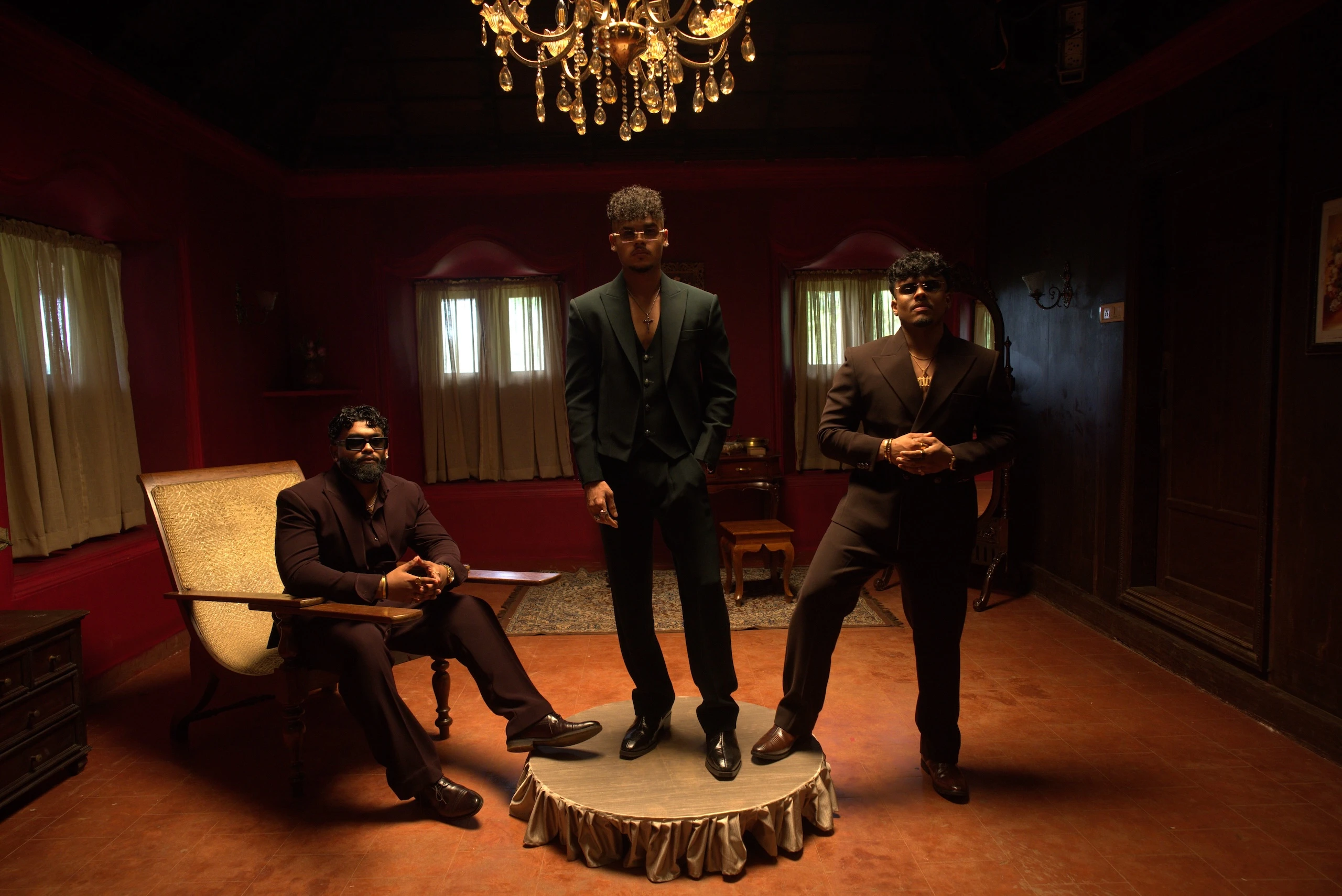
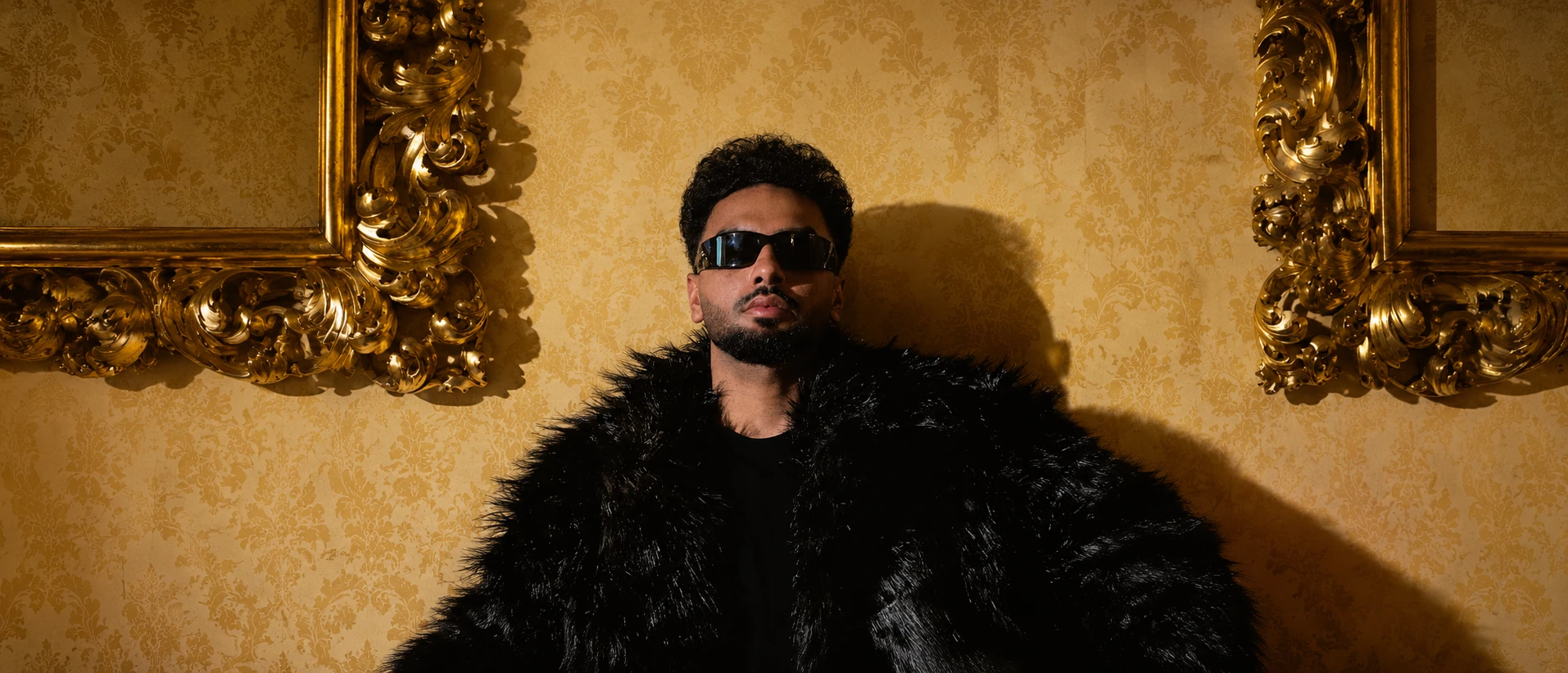
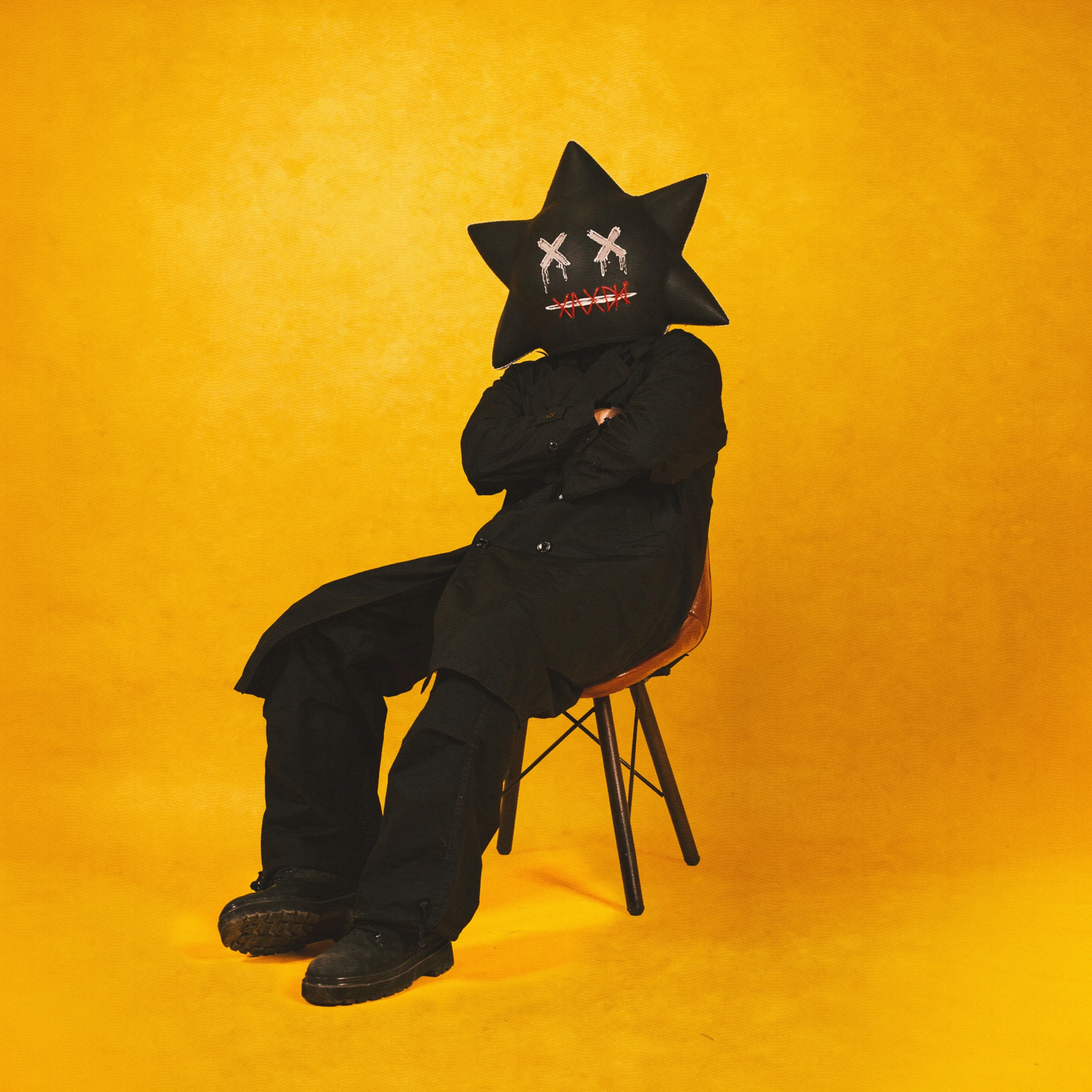
A rough count of what plays in the gym looks like this: Arjan Dhillon’s “25-25”, “Greatest” and “Jawani”; Prem Dhillon’s “Majhail”, “Boot Cut” and “Old Skool”; Navaan Sandhu’s “2 Asle” and “Hood Famous”; Shubh’s “Still Rollin” and “Cheques”; Cheema Y’s “Snap” and “Cartel”; Jordan Sandhu’s “Zulfaan”; and Sukha’s “8 Asle” and “GODFATHER”.
This plays on repeat, for hours. In fact, the same playlist and artists kept surfacing across the gyms I visited between the rural hinterlands of Ludhiana, Jalandhar, Bathinda and Hoshiarpur.
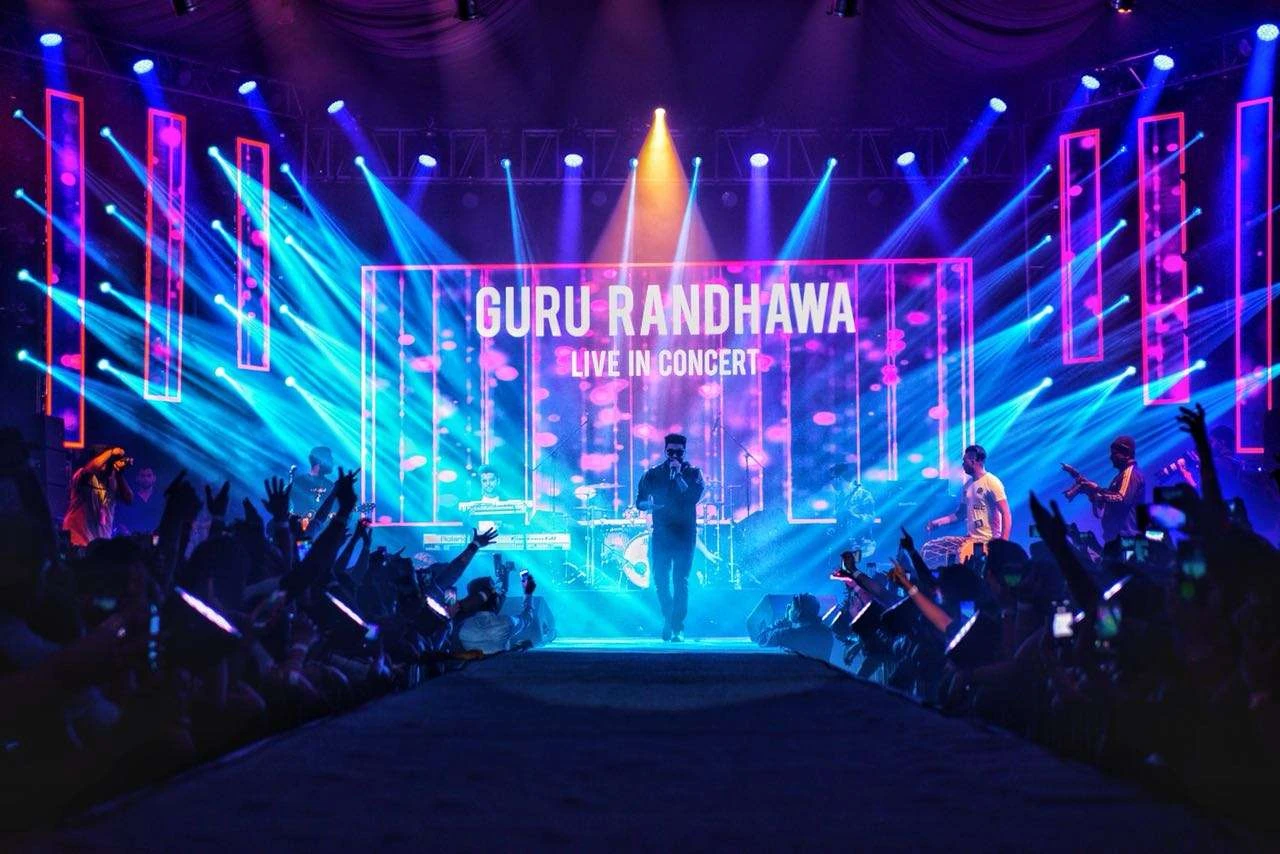
Outside the gym, artists like Diljit Dosanjh, AP Dhillon, Guru Randhawa and Karan Aujla dominate streaming charts and sell out international arenas. Inside, they surfaced only occasionally. Here the speakers overwhelmingly belonged to Arjan Dhillon, Prem Dhillon, Navaan Sandhu, Shubh, Jordan Sandhu and Sukha. Their songs have become the default soundtrack to lifting across rural gyms in Punjab.
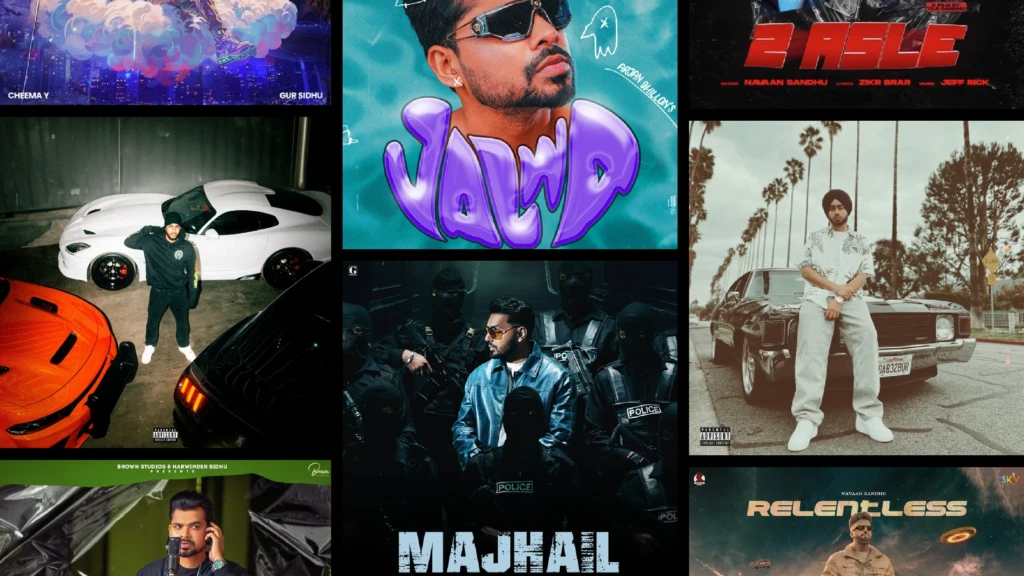
Inderpreet Singh, 23, runs his gym in a village located along the Jalandhar–Hoshiarpur highway. He explains that Punjabi music that has crossed over to Bollywood – the kind that has become huge in Chandigarh, New Delhi and beyond – to him, is simply too soft for his gym. “They don’t hit you with the same intensity,” he says. “The same girth.” The beats, he says, having become smoother, more romantic, stripped of the blunt, driving percussion he associated with Punjabi music. “They have become songs to cruise to, not songs to squat to. It doesn’t even feel Punjabi enough anymore,” he explains. “Not when you’re trying to get through a fifth set.”
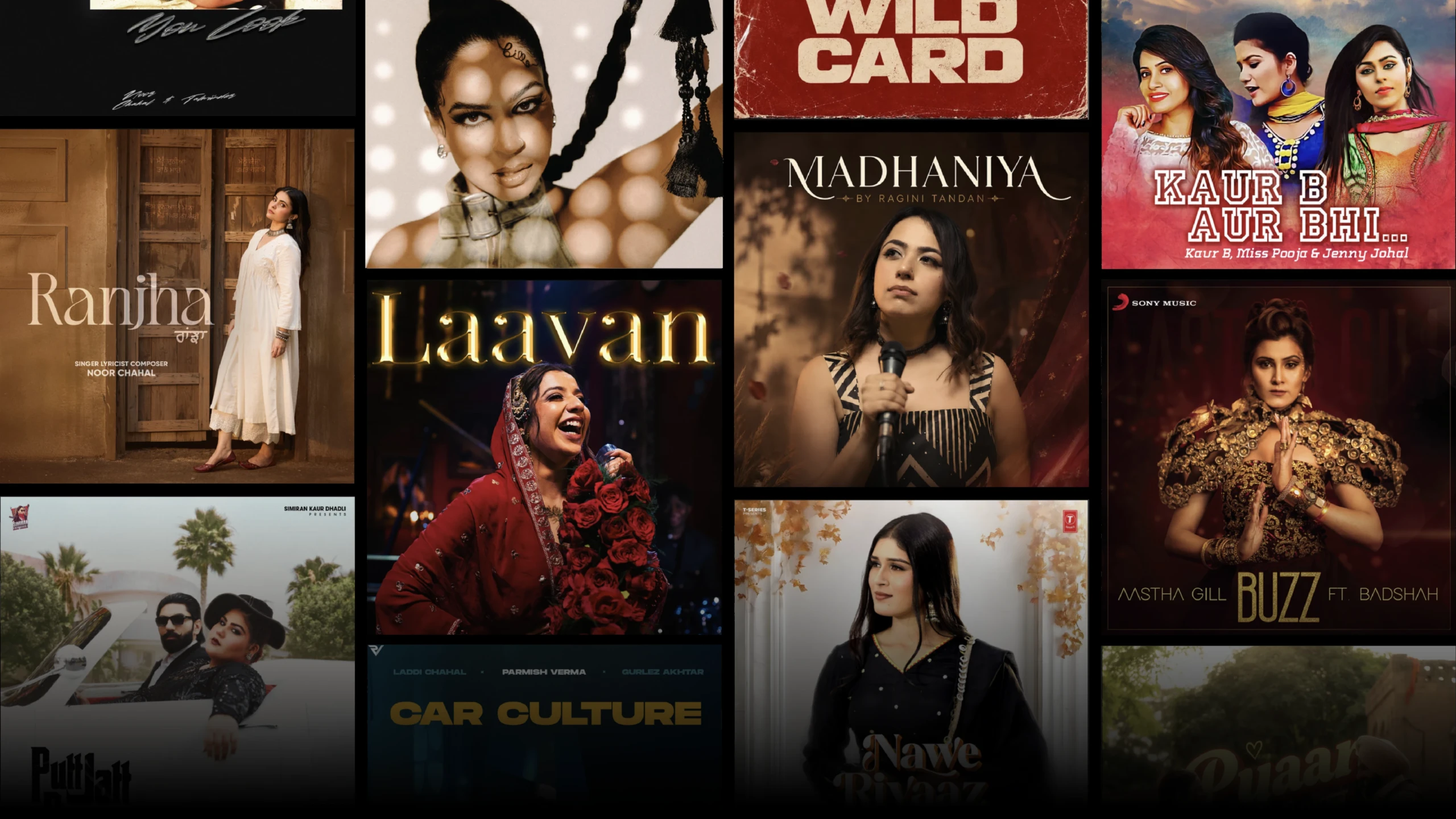
Spotify India has an entire playlist dedicated to Punjabi songs for the gym called ‘Workout Bhangra’. It has over 90,000 saves, and around fifty songs. None of them are playing at actual gyms in Punjab. Several tracks featured on the playlist are from Bollywood films — “Illegal Weapon 2.0” from Street Dancer 3D, “Mummy Nu Pasand” from Jai Mummy Di, “Arjan Vailly” from Animal. Others are radio-friendly pop-Bhangra tunes with a decade of shelf life behind them: Harrdy Sandhu and Jaani’s “Naah”, and Jassie Gill and Neha Kakkar’s “Nikle Currant”.
Anubhav Sharma, 25, who has been working out at his village gym in Ludhiana since he was 17, laughs at the mention of ‘Workout Bhangra’. “Those are Punjabi only because of the lyrics,” he said. “They don’t feel desi. Maybe people in the cities enjoy that. We don’t.”
He hasn’t rejected the playlist entirely. He listens to it on long drives with his girlfriend, not in the gym with “his bros”.
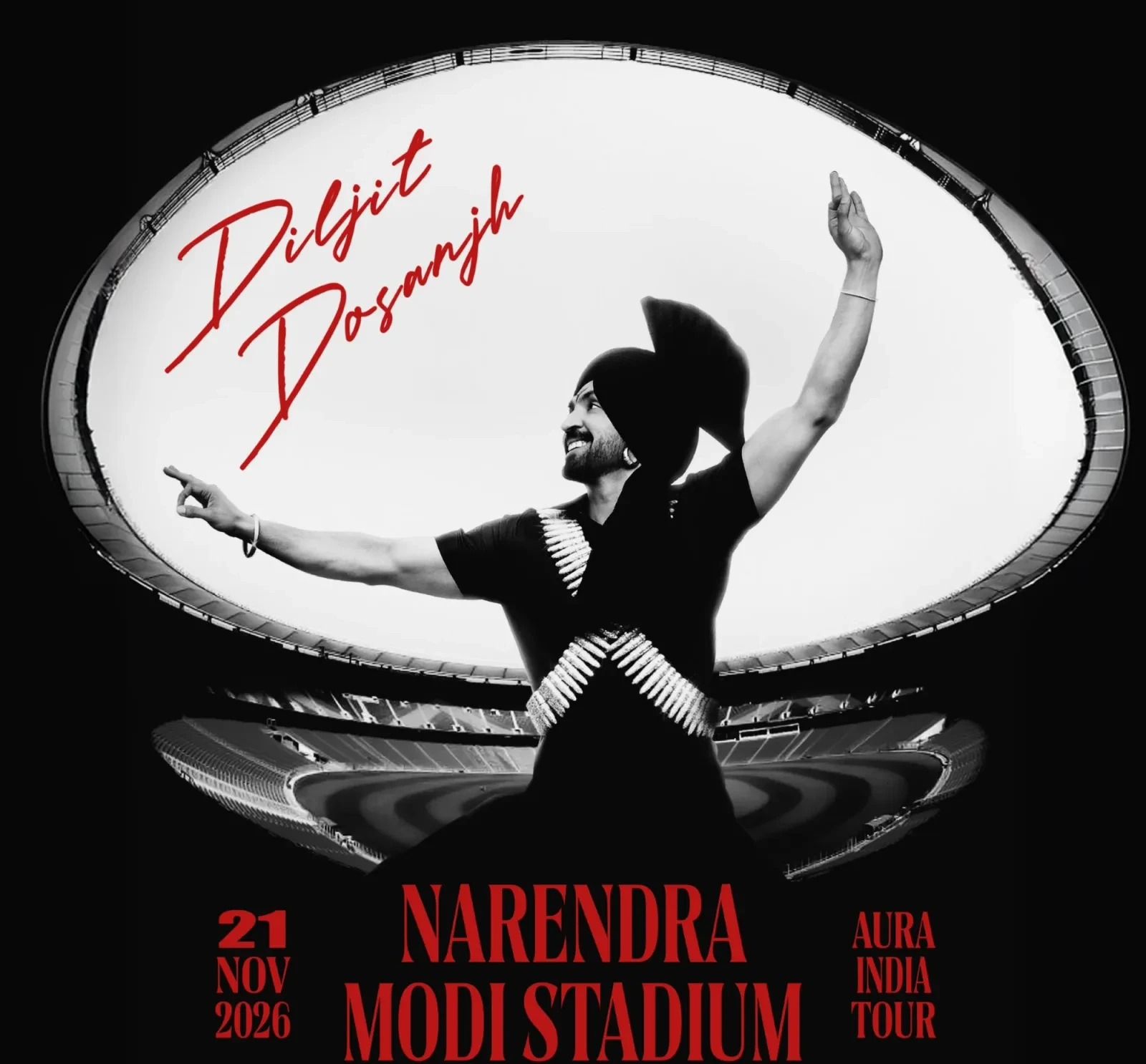
Manpreet Singh, 20, having recently finished Class 12, and between IELTS classes and gym sessions in Bathinda, feels that Punjabi music’s biggest stars aren’t making songs for listeners like him anymore. Global recognition has widened their audience, and perhaps cost them their connection to the smaller towns of Punjab. “Diljit is for Coachella now. AP Dhillon is for London,” he says, adding that he relates more deeply with Arjan Dhillon or Sukha. “It still feels like they’re singing with focus on Punjabis in Punjab,” he adds. “The beat hits differently. You hear the dhol, the bass – it has weight. The newer crossover songs sound too clean.”

Arjan Dhillon’s “25-25,” Sukha’s “8 Asle” and Navaan Sandhu’s “2 Asle” are carrying that tradition forward. They have so far resisted the polish that enters a Punjabi artist’s production as they scale in stature. This also explains why gym playlists remain loyal to older songs featuring Babbu Maan, Miss Pooja, Amar Arshi, Deepi Grewal, Geeta Zaildar and Surjit Bindrakhia. Sometimes even Gurdas Maan. The late Sidhu Moosewala remains a constant.
This has little to do with nostalgia. The old guard represent a lineage of Punjabi music the the next-gen of artists were extending rather than replacing: pounding rhythms, lyrics steeped in Jatt pride, Jatt masculinity and the aspiration to be in a foreign land.
Manpreet clarifies that he is still a fan of Diljit Dosanjh, arguably Punjabi music’s biggest global export. But he prefers his older tracks like “Hoya Ki Je Nachdi Di Baah Phad Lai” that roughly translates to: “So what if I held the arm of the girl while she was dancing?”
Shivinder Singh, a senior journalist and long-time critic of Punjabi music, explains that in places like gyms, listeners still respond to music that “wears those emotions on its sleeve.” This isn’t new. It’s a trend that dates back to the era of Amar Singh Chamkila or Surinder Shinda.
“Punjab has always had two parallel musical traditions,” said Singh. “Ever since the Green Revolution transformed rural Punjab, one stream has spoken to the pind – to agricultural life, village identities and working-class audiences. The other has increasingly looked outward, first to the urban middle classes and later to the Punjabi diaspora.”
Back in Kathar, none of these trends seem to occupy anyone’s mind mid-set. Inderpreet racks his bar, wipes his hands on his shorts, and reaches for his phone to queue the next track before anyone else could. It was Toronto-based Sukha again. Nobody complained.