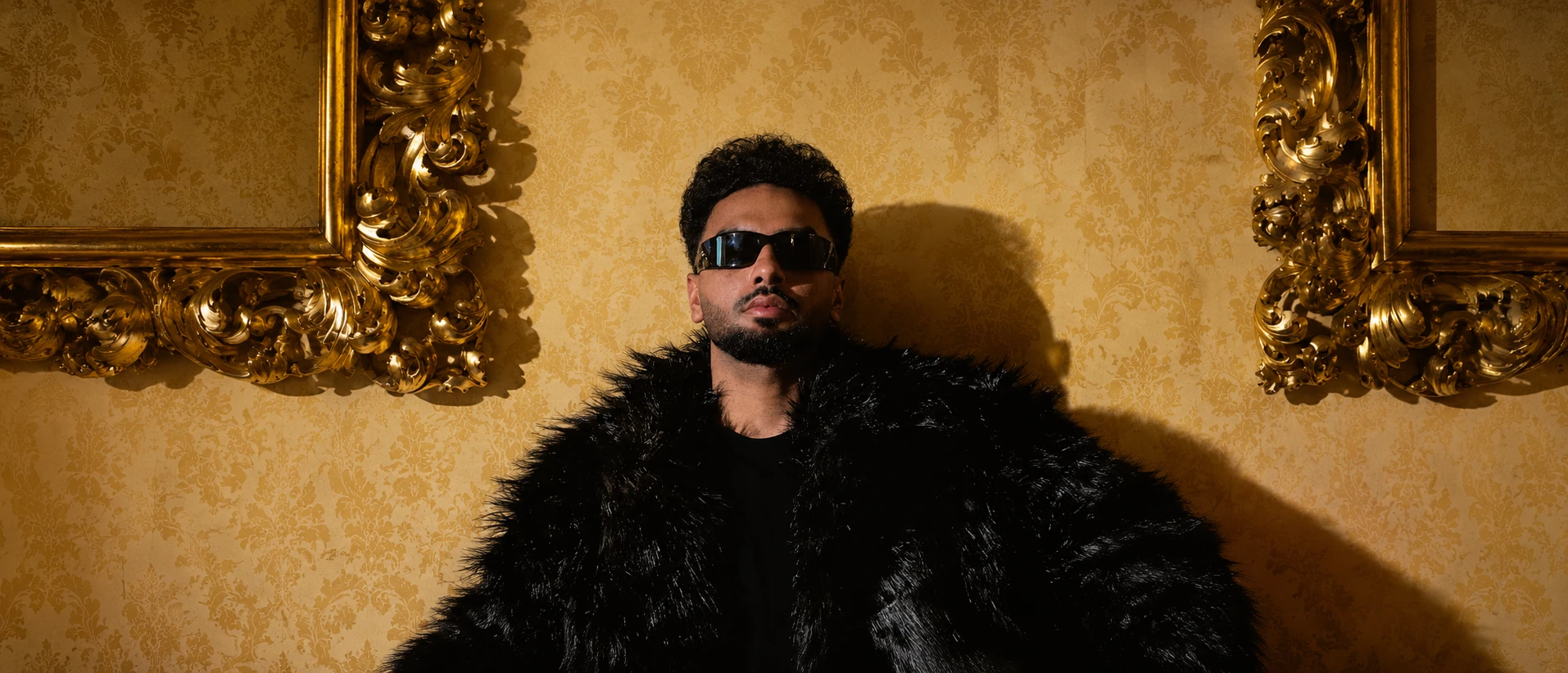
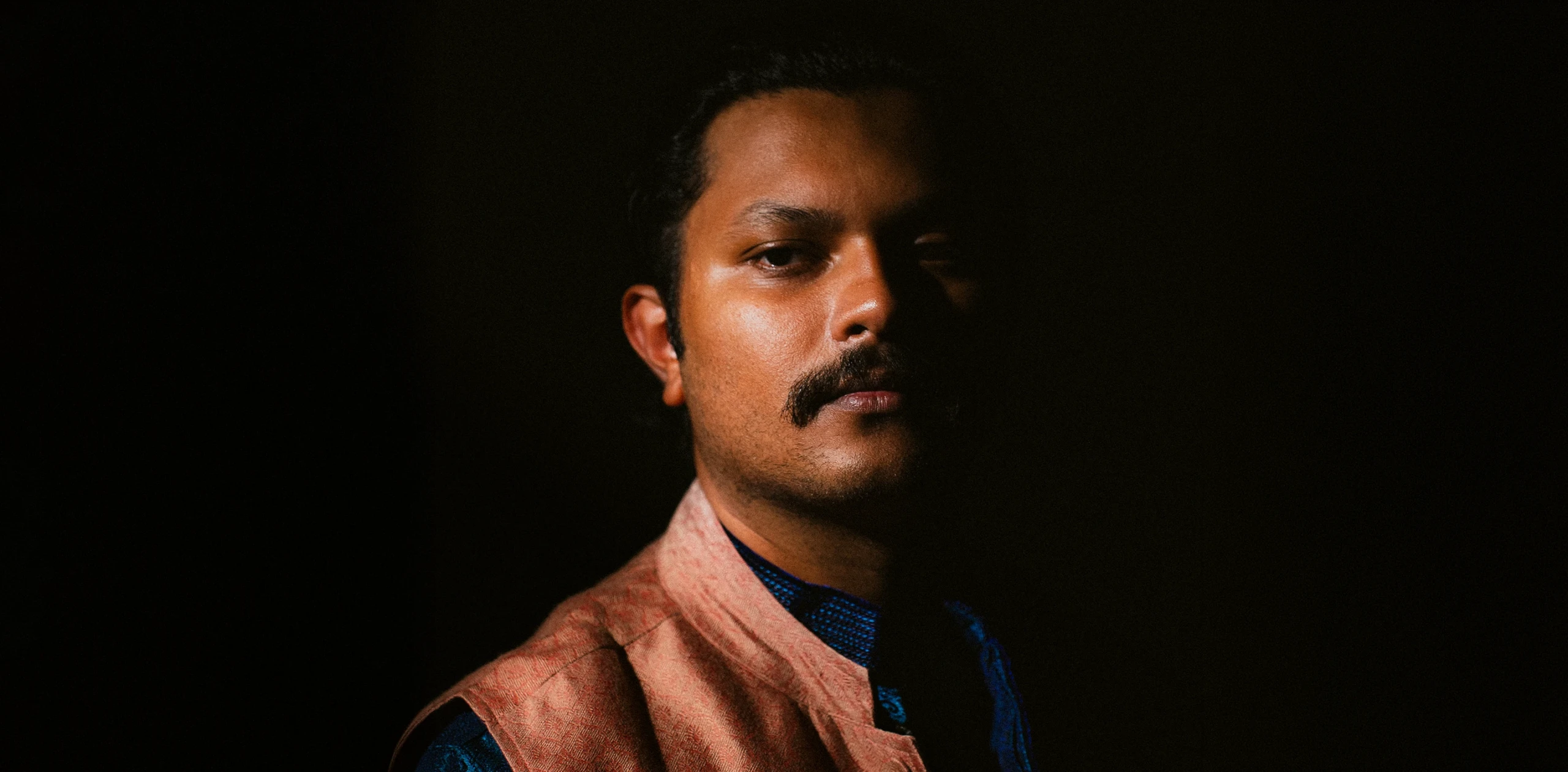
Calcutta Cowboy tells me his real name and then asks me to keep it out of this story. It is an odd request from someone whose entire project seems built to make you wonder who, exactly, is underneath the Stetson. The name is discoverable; people have dug it up before and proudly appeared in his DMs with their findings. He isn’t particularly interested in secrecy. He likes what happens when the person wearing the hat doesn’t swallow the character whole. Calcutta Cowboy can be an idea, a costume someone else might one day see themselves inside. “Anybody can be a Calcutta Cowboy,” he says.
The mystery has travelled surprisingly far, surprisingly fast. Less than two years after he began seriously writing country songs, Calcutta Cowboy has picked up more than 19,000 Instagram followers; a Reel posted this summer crossed 1.3 million views. On Spotify, “Stranger” has passed 137,000 streams, “Wait, a minute (let me catch my breath)” 104,000 and “Gary Johnson” 76,000. Then, in July, someone from BookMyShow reached out after a reel took off. He expected a few conversations about playing India and the usual let’s stay connected.
Two weeks later, he was at the gym when another message came through: did he want to play Lollapalooza India 2027? “I dropped my weight. And I was like, what is happening?” He said yes. Less than a year after releasing his first single, Calcutta Cowboy was headed for one of India’s biggest festival stages, with the question that started all this following close behind: Who is Calcutta Cowboy?
One theory has him named Gary Johnson, which is also the name of one of his songs. After a show, someone asked if he was from Alberta. “No sir, I am… from Kolkata,” he remembers replying. People have questioned whether the Calcutta in his name is real; he replies in Bengali. “I enjoy the confusion,” he says. “There’s nothing more powerful than audience imagination.”
His parents are in Malaysia, his friends and community are in Vancouver, his roots and extended family are in Kolkata. “I have pieces of home spread across all these places. I guess that’s pretty much what the music’s about, right? This little placeless vagabond cowboy.”
The cowboy part started with his father. Johnny Cash and Glen Campbell shared space with Simon & Garfunkel and Bob Dylon in a childhood almost comically protected from contemporary pop. His father “basically just insulated me in his music taste until 2010.” Then came a new school, the internet and the discovery that popular music had apparently continued without him. “Oh my God, who’s Bruno Mars? Who’s Taylor Swift? Who are all these new artists that you’ve been lying to me and telling me don’t exist?”
In 2024, he was touring as a photographer with musicians Steph Wall and Joe Abbott, writing “really atrocious pop songs” on the side to practise guitar. Abbott had a country song about Tim Hortons, built around the Canadian coffee order “double-double”. The smallness of it delighted him. A coffee order could carry a song if you knew how to tell the story. He went home and tried.
Then he Googled Indian country musicians. Beyond Bobby Cash and a scattered history, there wasn’t much. “It was such a strange musical gap that hasn’t been bridged,” he says. “The bounce in country music, that’s the same for us. Indian people, we love dancing one way or another, and if that’s what gets white people dancing too, it’s just so strange to me that that never crossed.”
His friends had a less romantic concern: who the hell was going to listen to this? His friend Tim the Mute suggested Mumbai Cowboy. “I’ll do you one better,” he replied. “I’ll do Calcutta Cowboy.”
On Brash and Broken, his five-song debut EP, he doesn’t stuff India into the music to justify the name. Acoustic guitar sits at the centre, surrounded by steel, bass and drums; with harmonica on “Gary Johnson”. Even the country inflection that has sent listeners searching for his coordinates began simply. On the earliest songs, he was “just trying to emulate the sound”. The more he wrote in that voice, the less he had to think about it.
India announces itself more loudly when he walks into the room. Kurta, jeans, cowboy boots, Stetson. Since the voice could obscure the brown man singing, he wanted the clothes to be “striking and undeniably Indian”. Someone once suggested tucking the kurta into his jeans so a cowboy belt could show.
“I was like, I can’t tuck the kurta in.”
That might be the funniest possible problem for a man who describes himself as “a little bit caught between worlds, never quite Western enough, never quite Indian enough.” He is taking his time with how those worlds meet in the songs. Sitar and pedal steel fascinate him; he hears something shared in the way they sound, though he wants to understand India’s regional instruments properly before bringing them into his music.
What he can already picture clearly is the room he wants to play these songs in. The dream is a room full of brown people seeing themselves inside country for the first time. He wants a second of bafflement when they see him: “that little what the fuck moment where you’re like, what, what is this?” Then the song kicks in and, ideally: “Oh, but I like this, though.”