
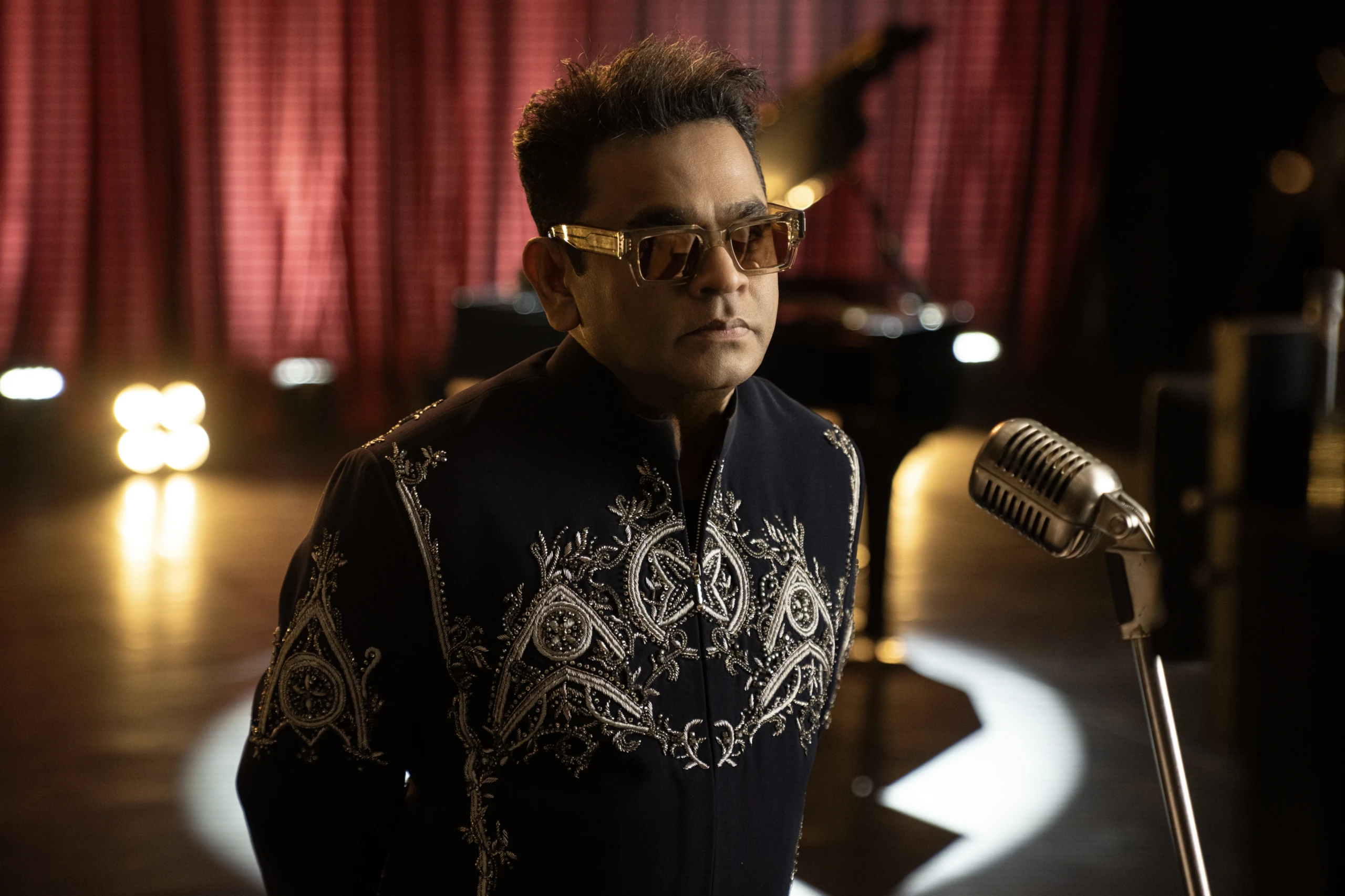
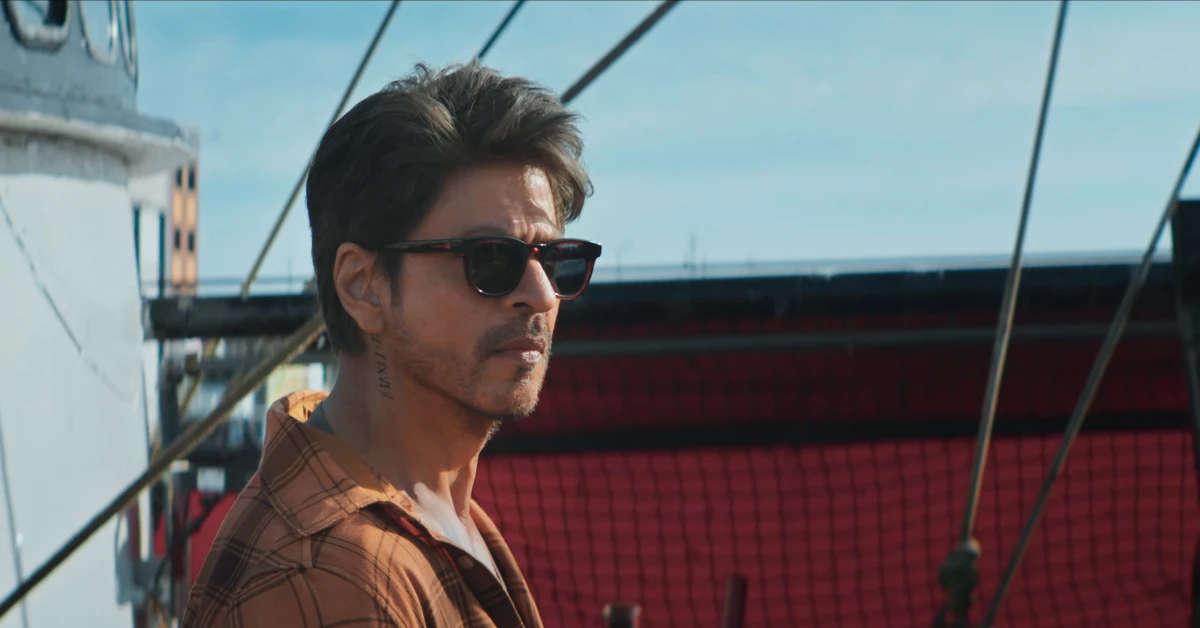

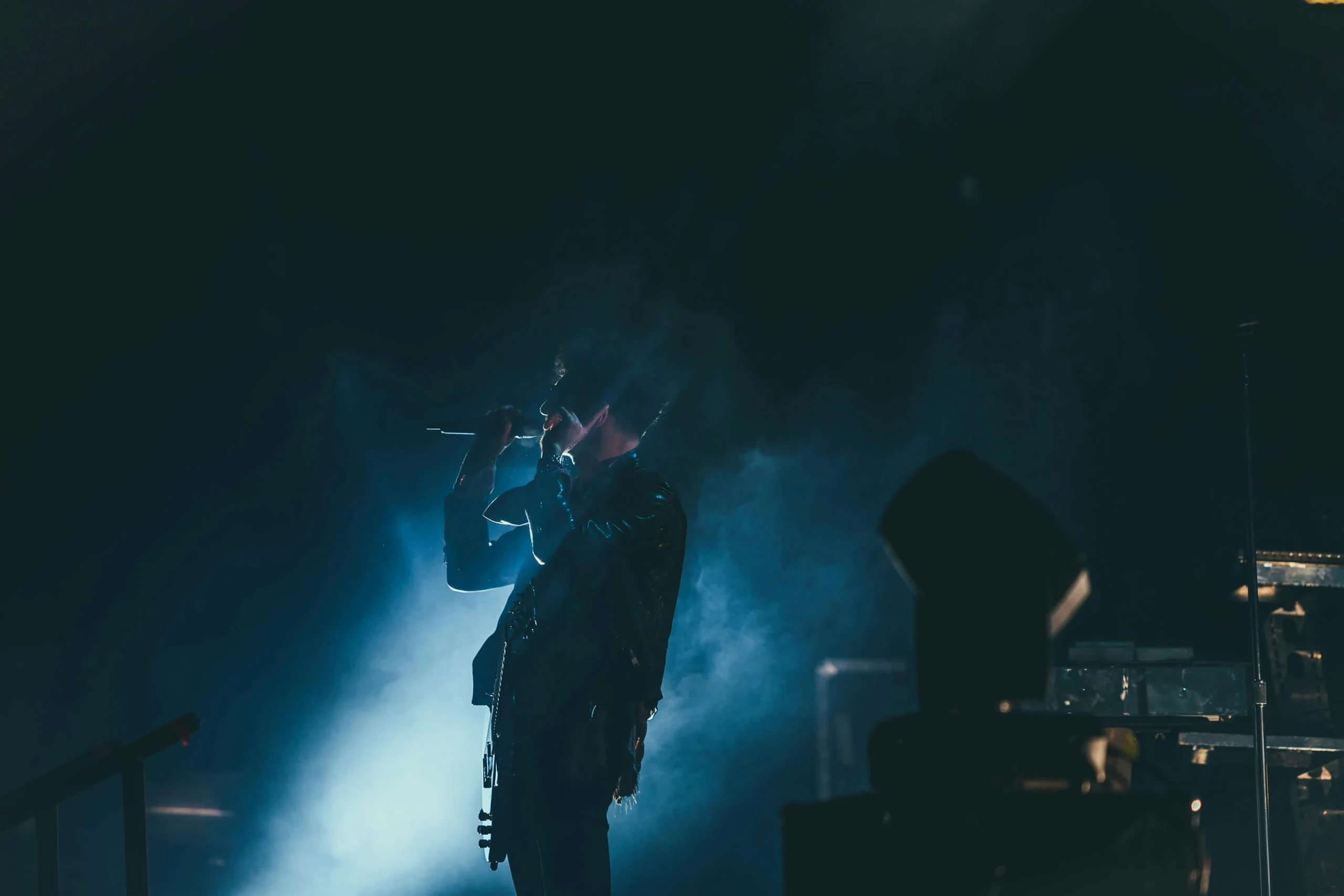
When Madhubanti Bagchi announced her This Is Who We Are India tour in September, its promotional material came with an unusual guarantee: “100% live”, with no lip-syncing. Earlier this year, Shreya Ghoshal called lip-syncing at concerts “lazy work”; Kumar Sanu was similarly unequivocal, saying he would rather make mistakes onstage than “cheat” his fans.

Live singing, once assumed to be part of the price of admission, is now something musicians can advertise. The argument is unfolding as Indians are spending considerably more money on being in the room. India’s organised live-events segment grew 44 per cent in 2025, according to FICCI-EY, while ticketed events had already increased fourfold over the five years leading to 2024.
That makes the question of what happens onstage more consequential. When Justin Bieber played Mumbai in 2017, fans accused him of lip-syncing much of his Purpose Tour set; one couple who travelled from Pune said they had paid Rs 36,000 each for passes and found the suspected lip-syncing a considerable turn-off. The grievance was about the singing, but also about value: if a fan has paid a premium to be there, what part of the performance must actually happen in front of them?
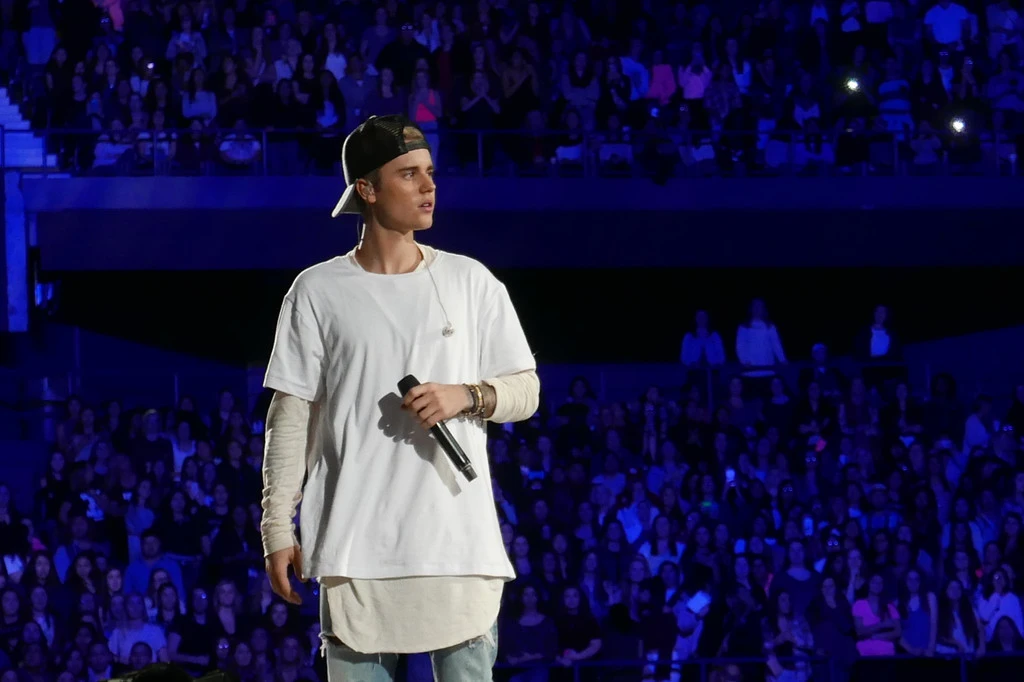
Nearly a decade later, the same frustration surfaces in Reddit discussions around Indian concerts. Threads about AP Dhillon contain complaints from attendees who question paying premium prices for performances they believe rely heavily on playback.
What audiences hear, however, is rarely as straightforward as live or recorded. Modern concerts routinely carry pieces of the studio recording onto the stage. Synths, instrumental parts, harmonies and vocal doubles can all sit in playback. Click tracks and timecodes keep musicians aligned with lighting, visuals and choreography. Even a singer who is unmistakably singing live may have their recorded voice underneath them.
“Backing tracks support the main vocals, and lip-syncing is replacing the main vocals,” says live sound engineer Brinda Sreenivas. The distinction can be difficult to hear from the audience. Sound engineer Aman Arakh says audiences sometimes fail to spot obvious miming; at other times, they hear a recorded vocal supporting a live singer and assume the whole thing is fake. “I personally don’t feel like it’s the audience’s responsibility to understand the nuances of it,” he says.
After a TikTok user accused her of lip-syncing during her Short n’ Sweet Tour in 2024, Sabrina Carpenter responded that she sang live “every show 100%” and invited the critic to speak to her audio engineers. The critic then complained that her backing track was too loud.
There are practical reasons to want that support. Damini, a vocalist with Queendom India, calls the voice “a very fragile instrument”. Illness, fatigue and anxiety can alter it; choreography introduces another complication. “For singing, breath is your fuel,” she says.
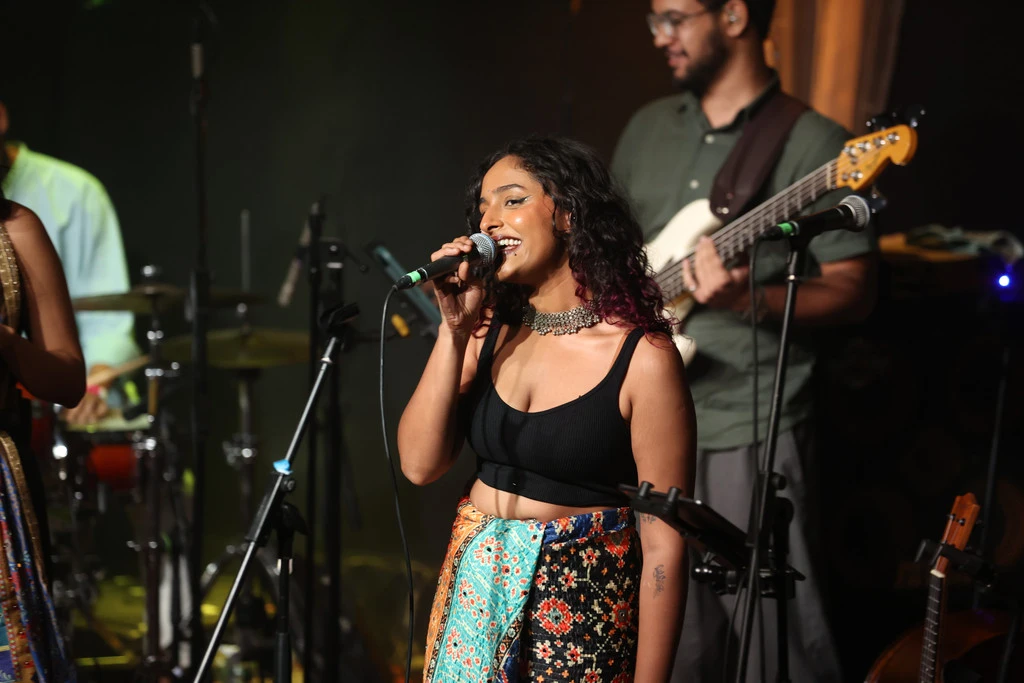
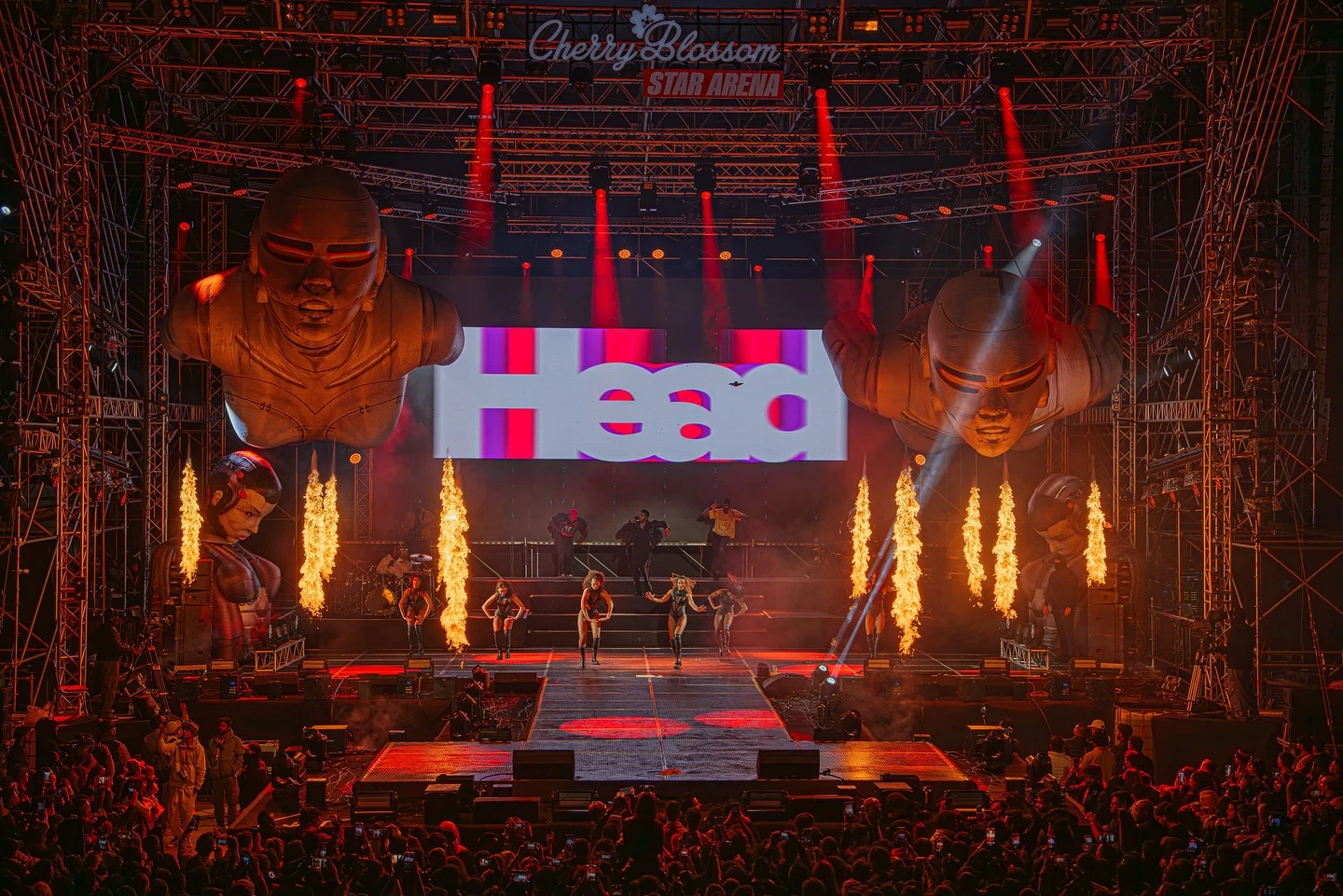
A stadium concert has its own calculations. Dancers, costume changes, video walls, pyrotechnics and tightly programmed cues have made the pop show as much a production as a recital. Singer-songwriter and producer Karshni Nair says in K-pop, singing is only one part of an unusually physical performance. “They’re dancing and moving constantly and throughout,” she says. “I don’t think hearing them pant through a line would be particularly melodious.”
There is another use for vocal tracks that has little to do with spectacle. Nikhil Bhamray, who works across artist management and A&R, points out that many independent musicians learn to write, record and produce music years before they learn how to carry a live set. “You can use these vocal tracks if you have to for now,” says Bhamray, “but you got to use them as training wheels with the idea to eventually phase them out.” He is more willing to grant that leeway to a young artist finding their feet onstage than a seasoned performer who continues to let playback do much of the work.
Composer and arranger Kaizad Gherda points out that a studio recording might contain five guitar parts; leaving four on track while a guitarist plays the fifth live can be a perfectly sensible way to rebuild it for stage. His objection begins when technological reproduction removes the variables that distinguish tonight’s performance from tomorrow’s.
“I don’t want it perfect,” he says. “I want the extra screams and different phrases of lines. The extra solos or the flat notes all make this one of a kind. I want one of a kind. I don’t want a replication.”
That may be why “100% live” suddenly has commercial value. Technology can make a concert bigger, more reliable and close to the record without requiring the lead singer to mime a note. It can also replace increasing portions of a performance without the person at the back of the arena knowing precisely what changed.