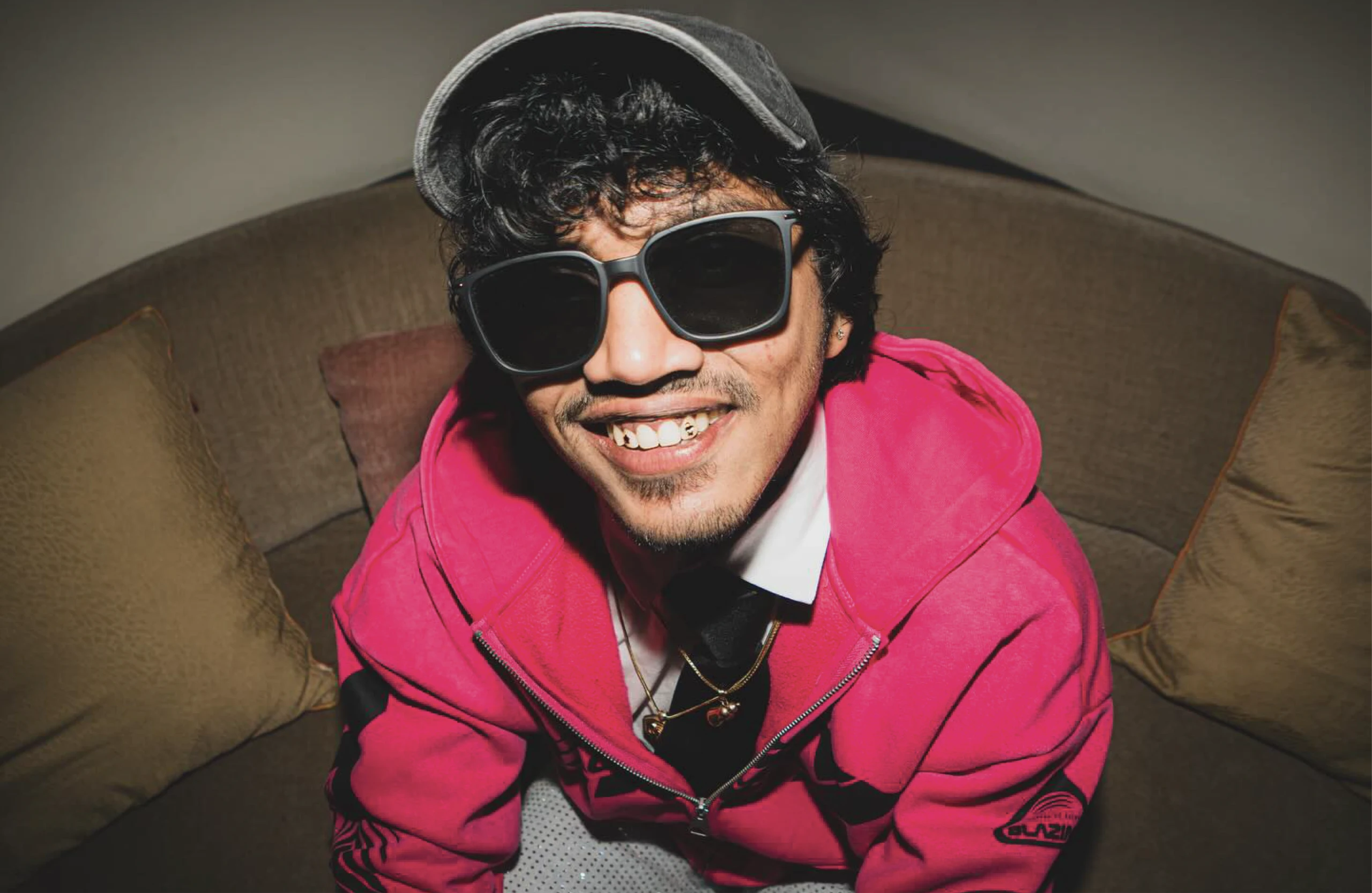
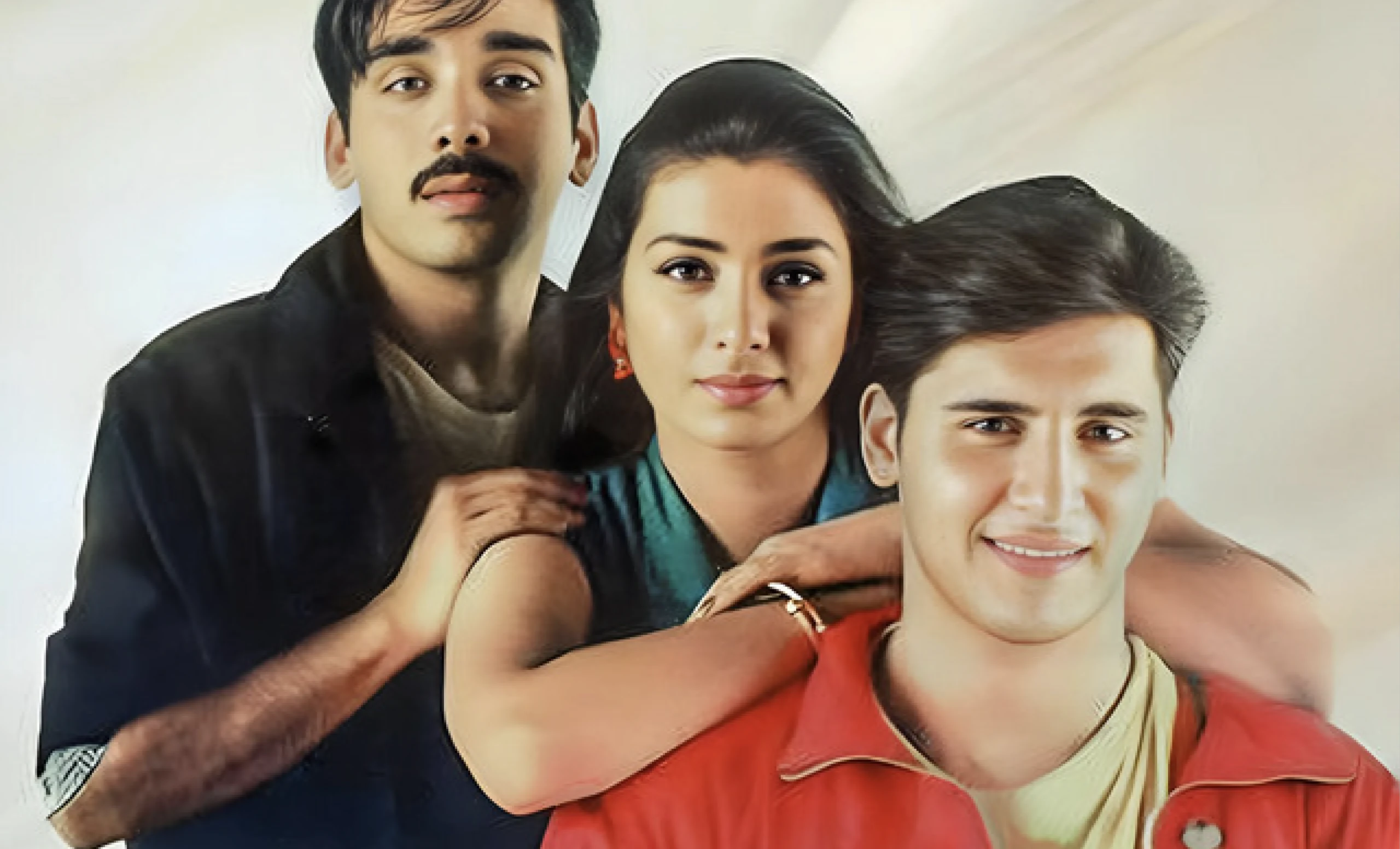
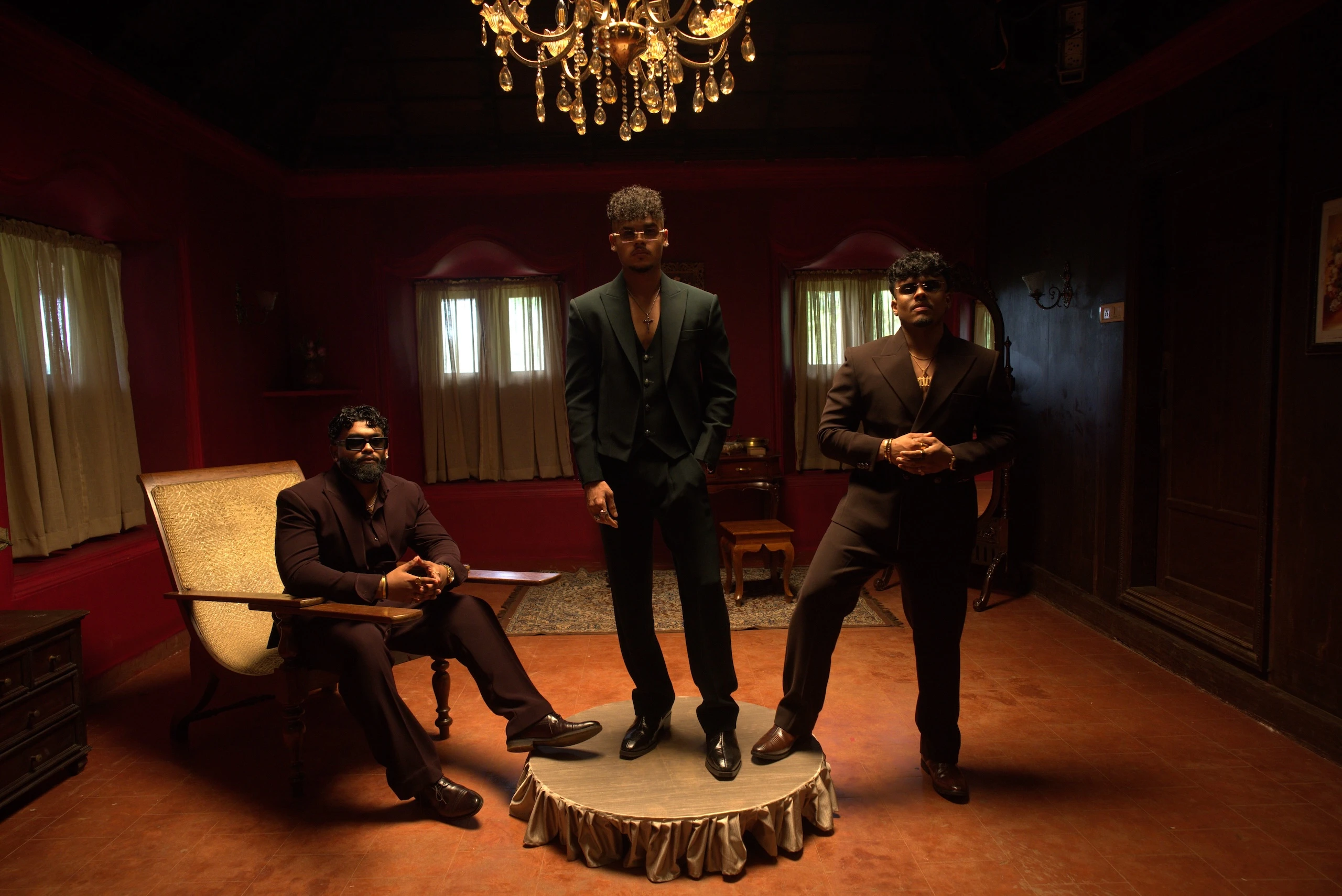
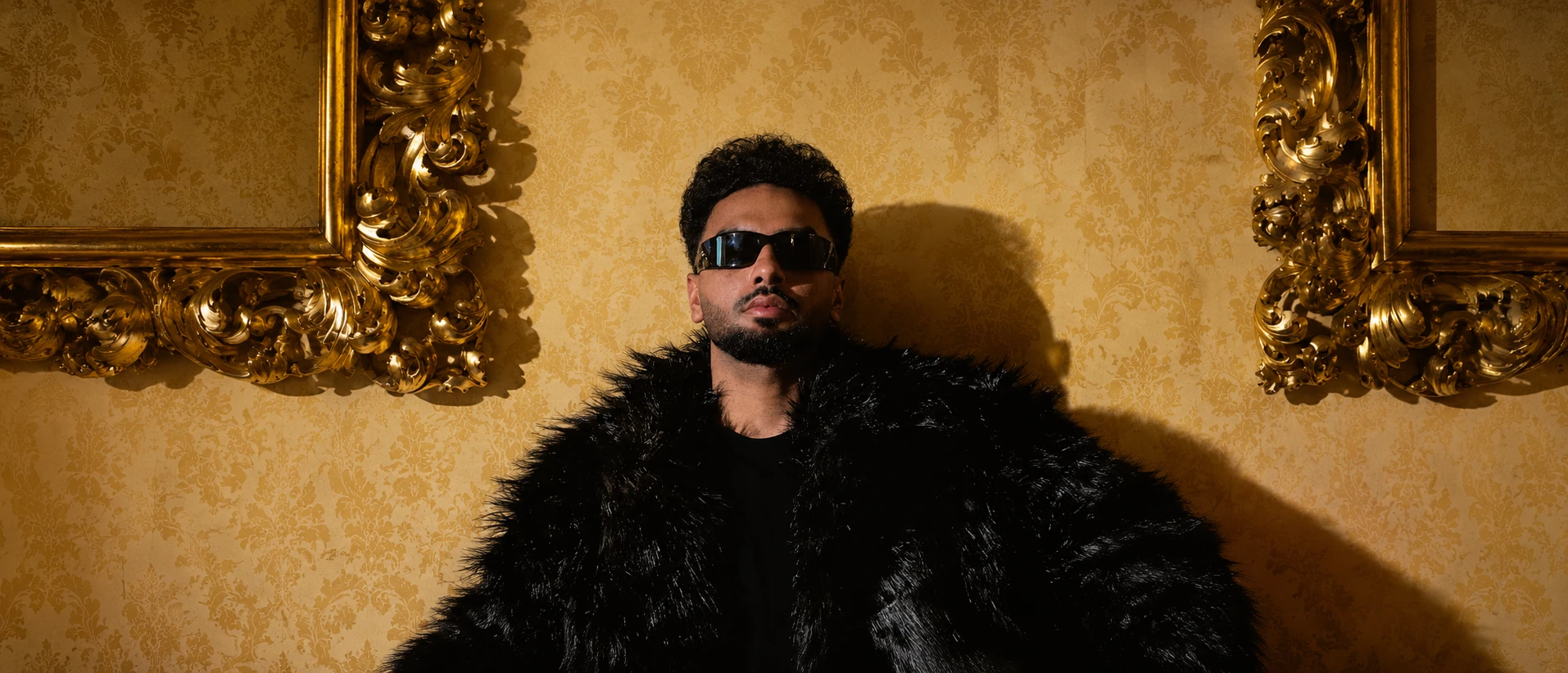
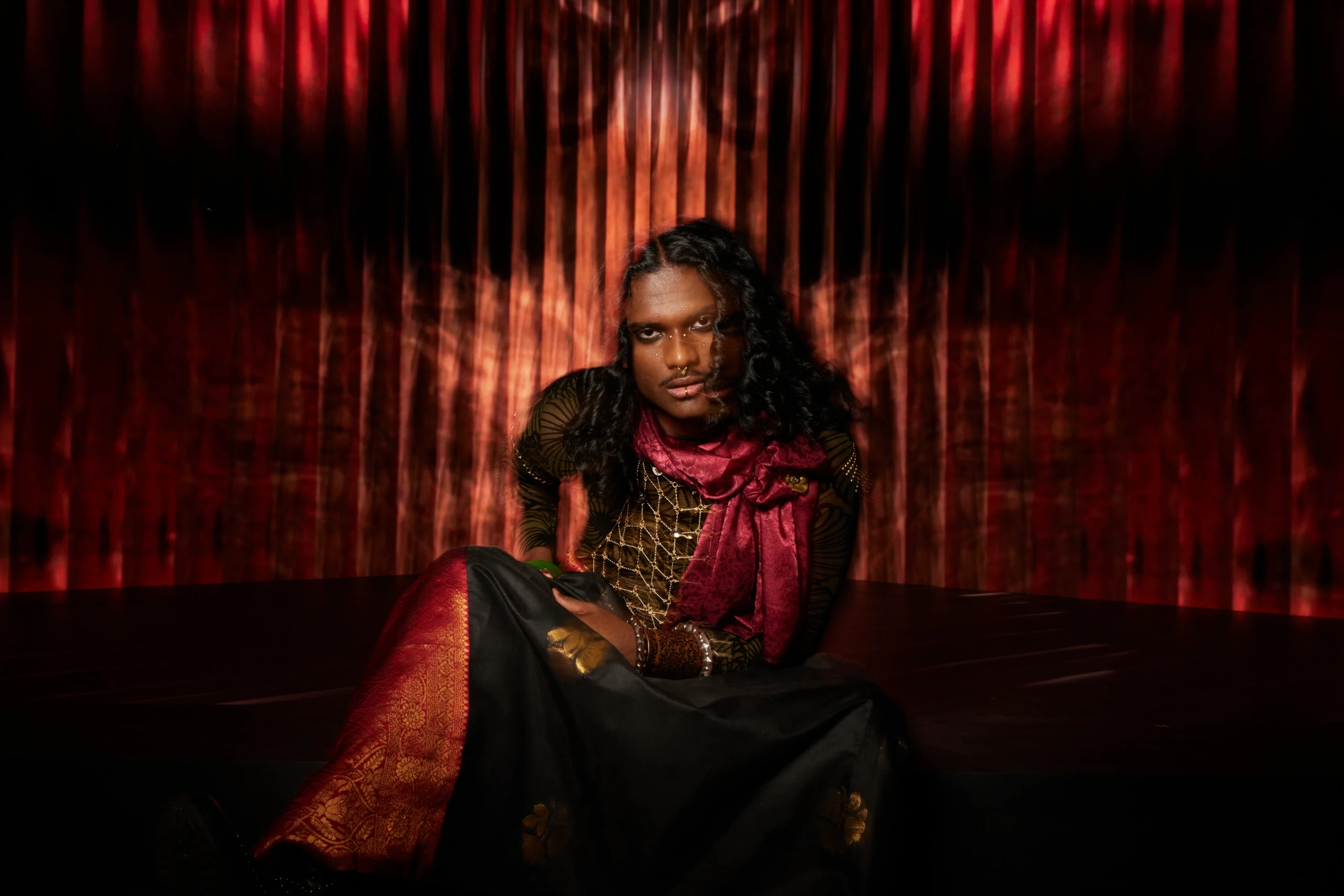
Malayalam R&B artist Aksomaniac has watched his track “Amsham” rise and rise on global charts. The moniker of singer-songwriter, producer, and multi-instrumentalist Aron Kollassani Selestin, ‘Aksomaniac’ was his way of flipping his initials with his Instagram username when he started making music. Featuring fellow Malayalam artists – singer Bhumi and producers M.H.R and Circle Tone – “Amsham” is a beat-led slow burn on longing of the heart. It centres around a South Indian deity of desire – ‘Manmadhan’ – drawing inspiration from the 1991 Malayalam film Njan Gandharvan. Based out of Thiruvananthapuram, Aksomaniac tells Billboard India how he wasn’t prepared for success at the world stage. “Amsham” surged to #4 on Spotify’s Global Viral charts – and is on every trending playlist across streaming – a rare and significant breakthrough for an Indian-language song.
Aksomaniac credits the larger team behind the song for the success. “I also tend to not take it in a way where it’s all mine, that also helps me because otherwise it’s so much to process,” he says.
He strongly feels that a hit can come from anywhere, he tells us over video call. “In today’s state of how things are, how music is received, it’s becoming more and more democratic in a way that a person from anywhere can receive the kind of reception an Amsham has,” he shares, talking about the role of Instagram, streaming and the internet at large for this phenomenon.
When he was a kid, he wanted to become a priest: “I was a hardcore Christian-household kid, an altar boy kid.” His music teacher in school encouraged him to make music and consider becoming a music director. “I told her, no, I want to be a priest. And she was like, you can be a priest and a music director,” talking about the first time he thought about making music.
He toyed around with the idea of making devotional gospel music for when he would be a priest. Later on, more of his attention veered towards making music. “Now I’m an atheist who makes R&B music. I love that.” he adds.
Aksomaniac’s influences are R&B artists like Sampha, Mustafa and the electronica producer James Blake: “These are the kind of musicians that pushed me to the direction that I am right now when it comes to the music I would listen to intensely. The kind where I pick my phone up, my earphones up and I go through the albums top to bottom.”
However, his initial instincts of getting into music always came from the music he partially and passively always listen to on a daily, which was like Malayalam pop music, especially the one which was R&B oriented and hip-hop influenced. His parents listened to what was played on the radio – Malayalam composers like Gopi Sundar and Deepak Dev whose drum sections evoke hip-hop sensibilities. Passive listening to these artists and looking Westward to Usher, the later discography of Michael Jackson, Bruno Mars, and even Justin Bieber have subconsciously shaped Aksomaniac’s sonics.
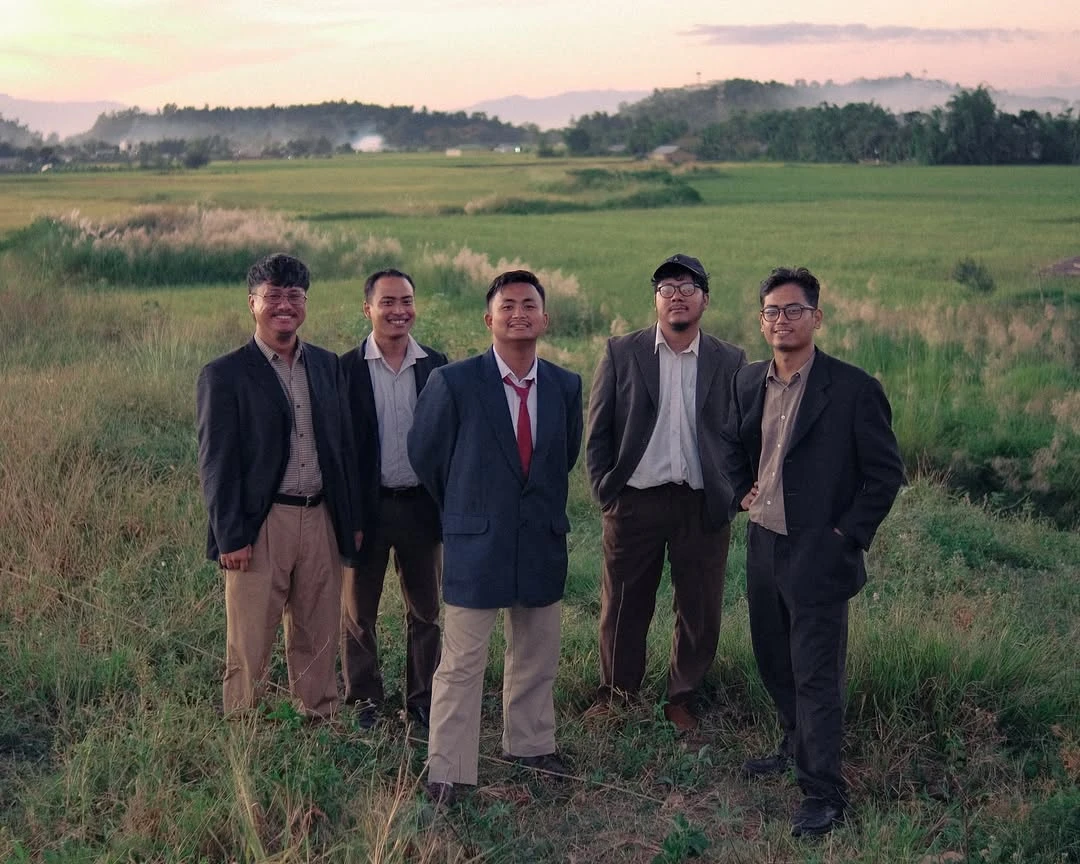
When asked about any artists he looks up to as icons he states, “The icons that I look up to are my friends, man.” The list includes friends and collaborators like director Kaleido, musician and writer Agniveshu and creative artist Madhav who write with him, make music videos and style Aksomaniac. “These are the kind of people that I am pushed by. These are my icons.”
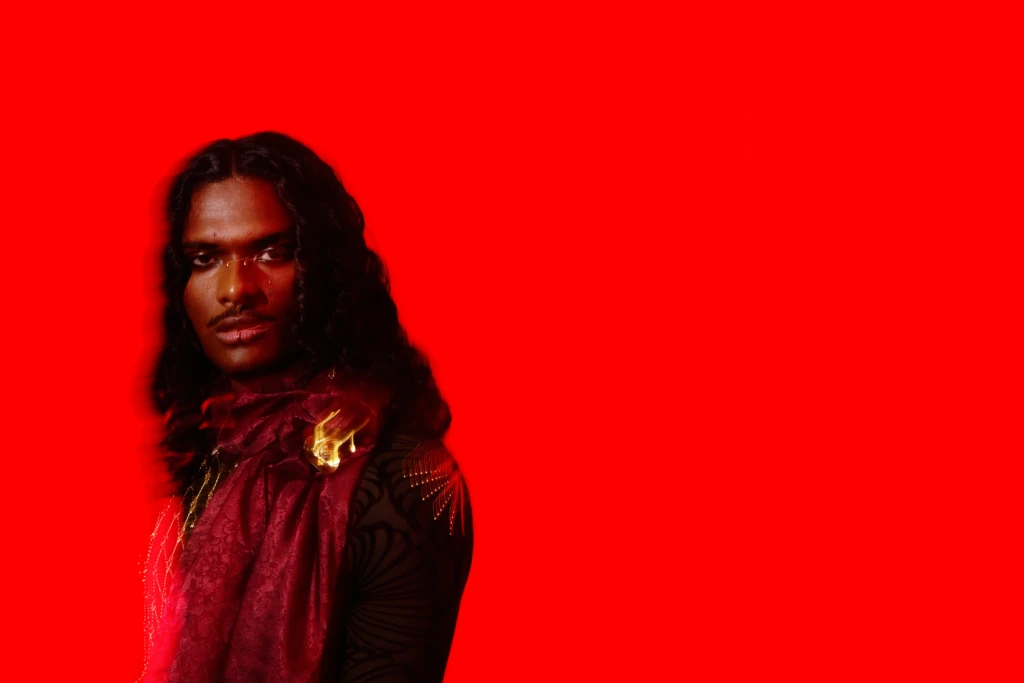
Most of the artist’s bold and gender-agnostic clothing are his friend’s creations who envisage how his visual presentation should be. “I’ve always loved this community more than any musician out there I’ve listened to, more than any film that I’ve watched, these are the people who have made me who I am as a queer person, a queer artist,” he shares.
A myth he’d like to bust for up-and-coming musicians is that one doesn’t need to be in the hotspot of any industry: “I feel like that does not matter anymore. If the music works, you’ll get shows anyways and you’ll be flown in anyway.” Apart from Malayalam music, Aksomaniac is also listening to some Bhojpuri music. “I’ve never been to that state,” he shares, showing us his mic and home studio to make his case.
His last advice for young queer artists is to keep their community close. “I think that at the end of the day, they are the only people you really have. It keeps on building, but the only real resources you have are the real relationships that you make out of music, out of art,” he adds.
While many artists are trying to game an algorithm nowadays, Aksomaniac and his friends are not making music “to look at a P&L sheet at the end of the day.” He maintains that having a strategy is really important because one can’t always just do whatever they feel like.