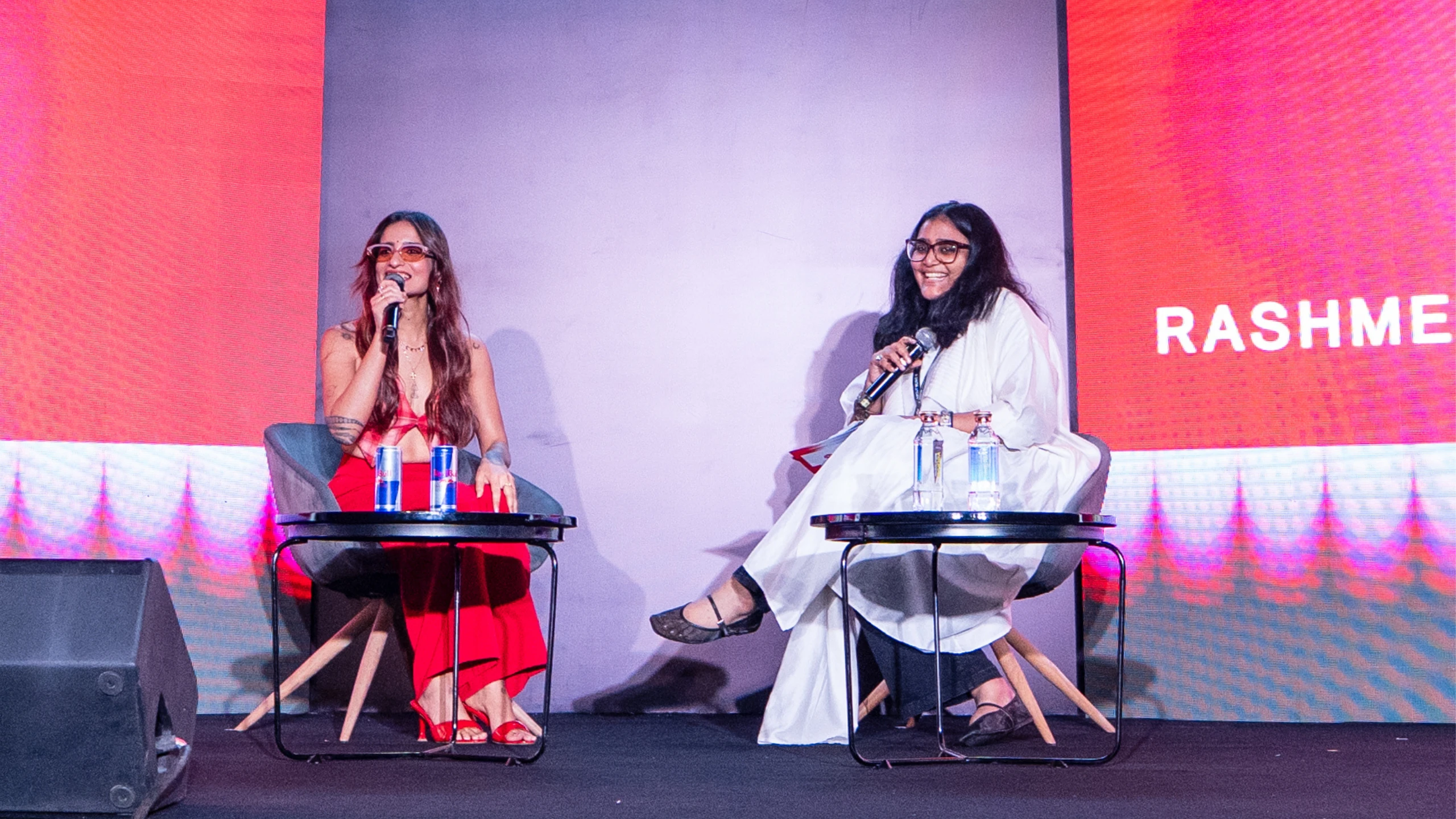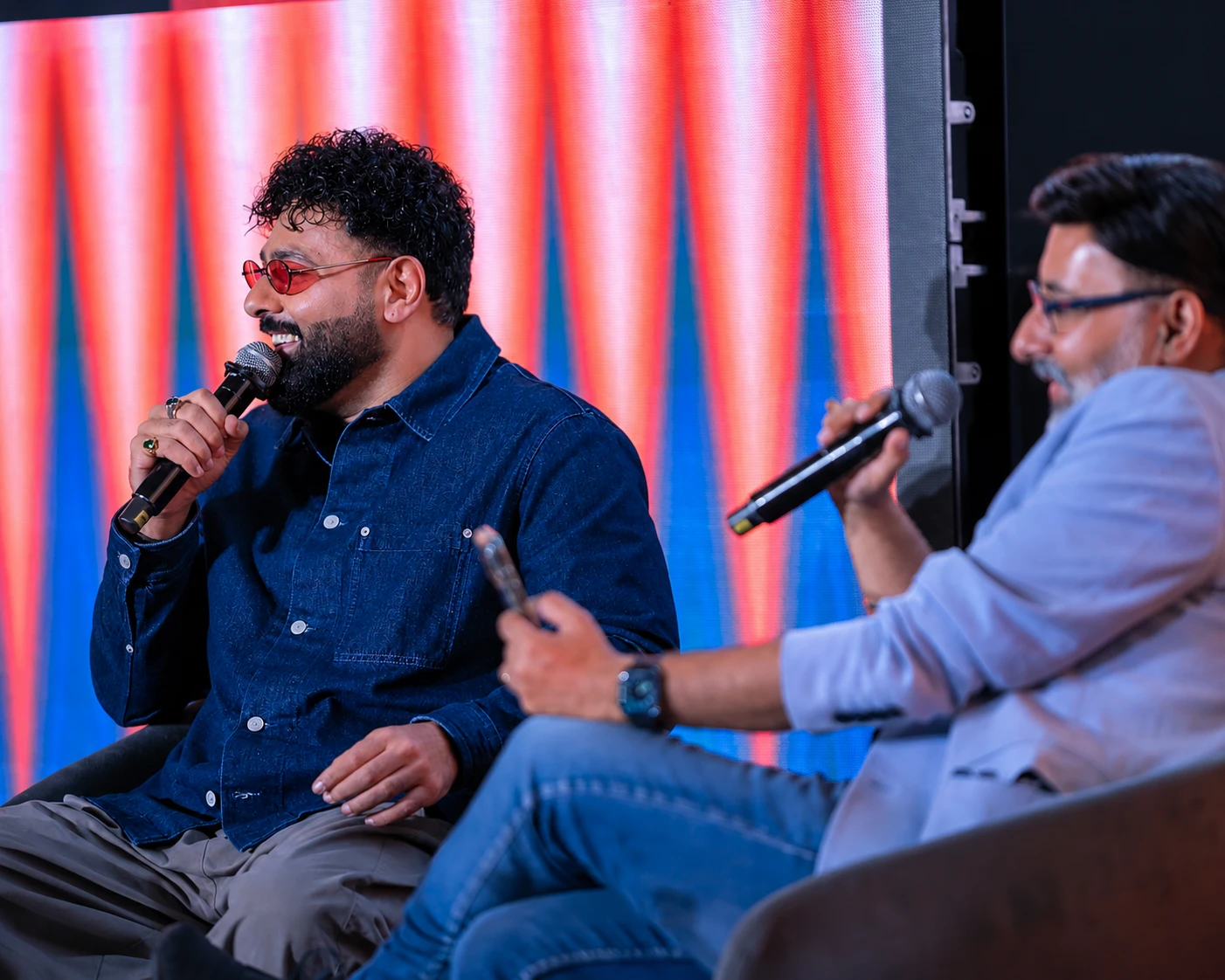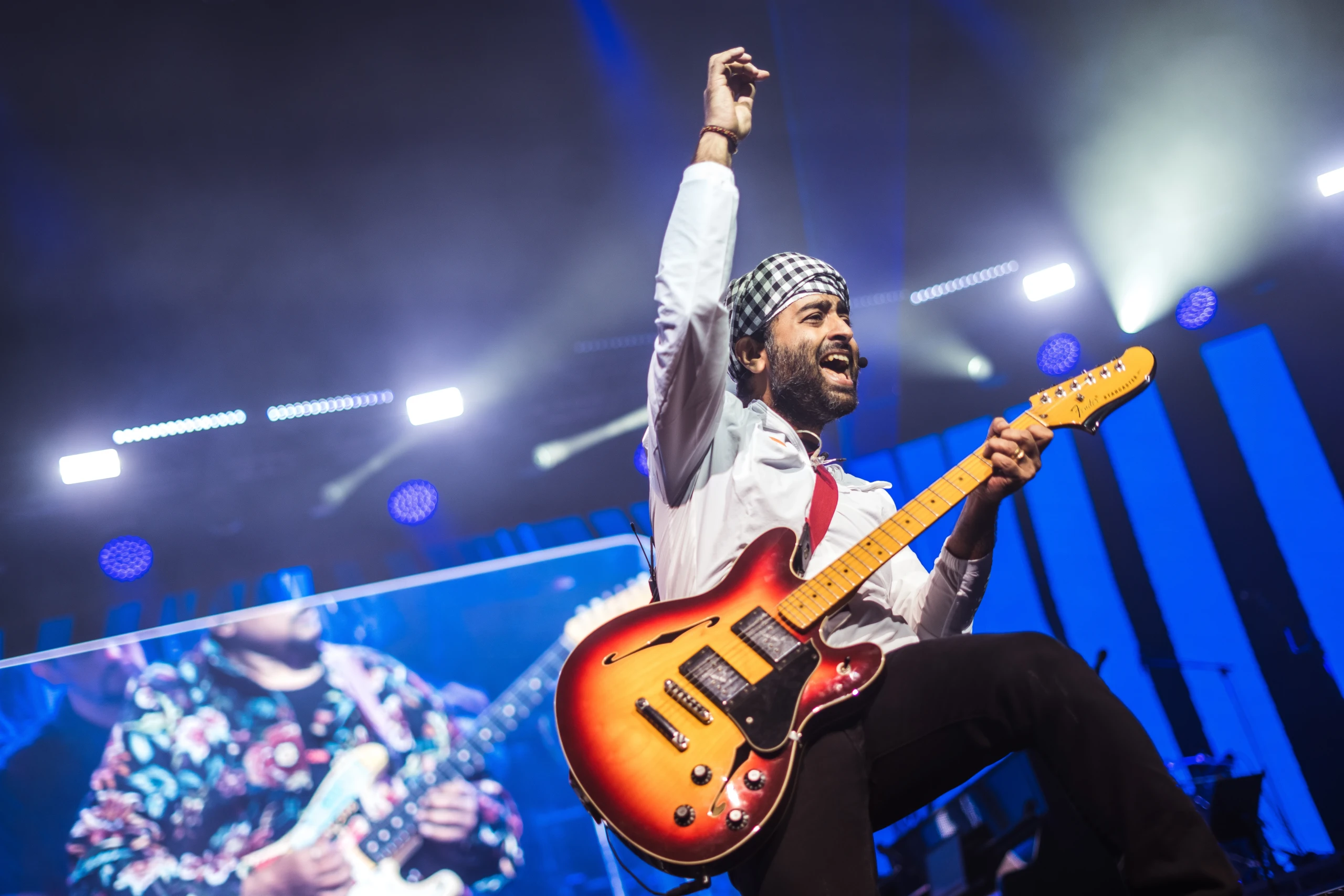

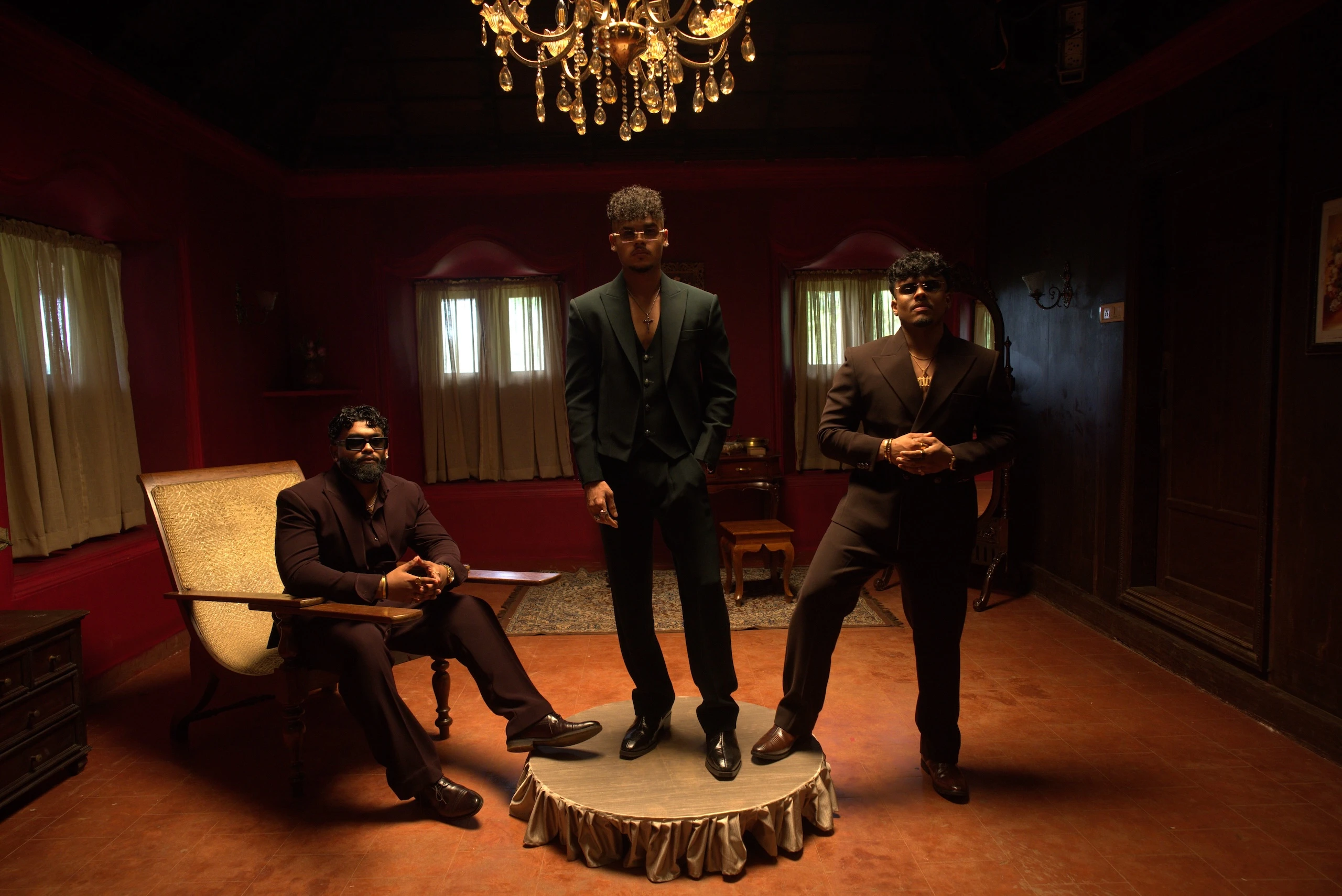

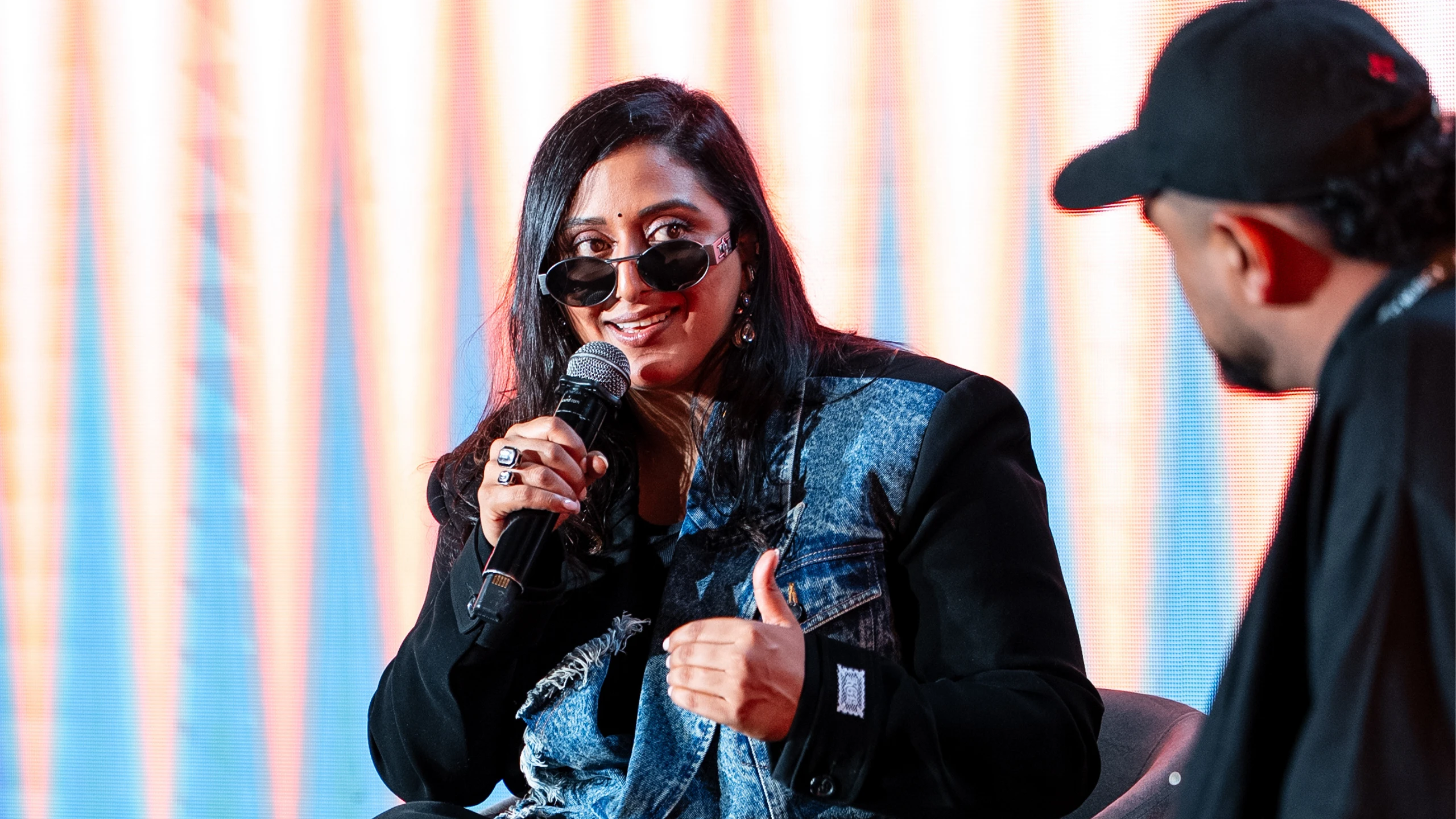
The final day of the tenth edition of All About Music was jam-packed with big names from the music industry showing up for conversations. Young students, artists, creatives were very much in the audience, waiting to ask their questions. From being outspoken as an artist, being a woman in music, to how to build your repertoire, and the importance of college concerts, it was an interesting day. Billboard India was there in the room to get the roundup.
Virality, staying humble, and being outspoken as an artist: The AMA that was
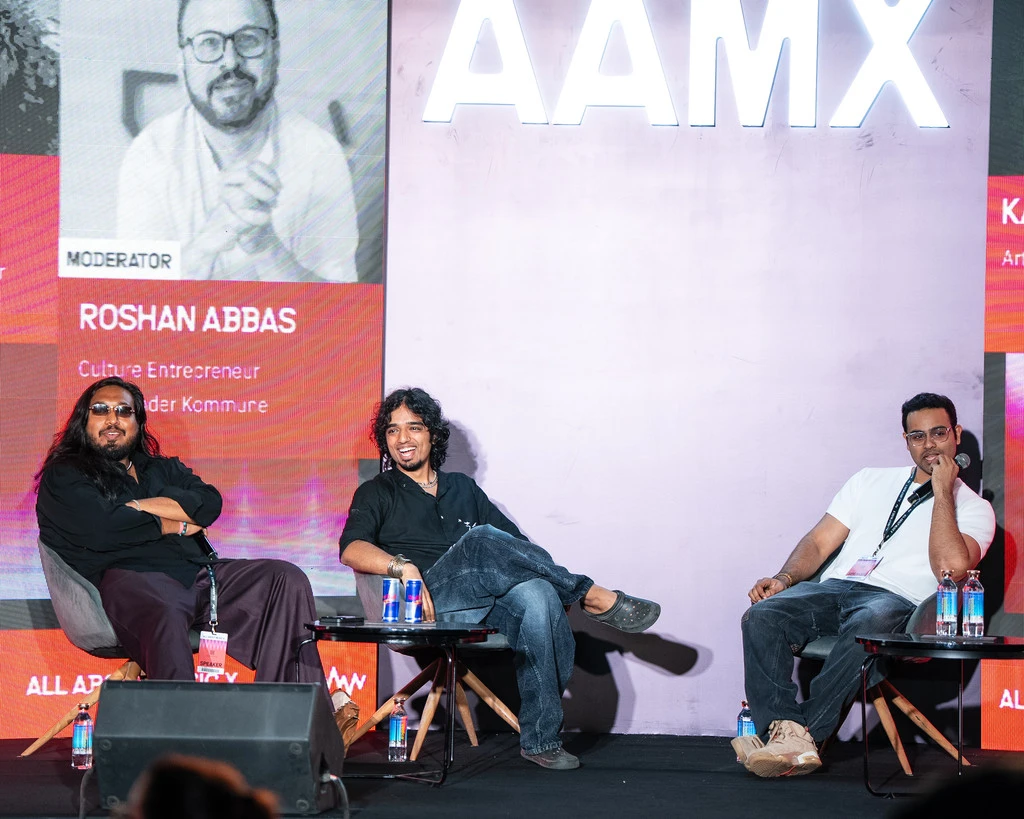
In an expertly moderated Ask Me Anything session by Roshan Abbas, co-founder of Kommune, artists Karan Kanchan, Chaar Diwaari and Arpit Bala answered a host of questions of everything from making music, collaborating with other artists, what keeps them grounded (“reading comments”), being outspoken and going viral (“you’re not owed a click or a like or numbers”).
“If I want to work with an artist, I never ask my manager to hit up their manager. I reach out myself,” said Diwaari, who collaborated with several artists in his last album, Parvana. He also added that he never wanted to have a “definitive sound,” but rather keep experimenting and building a new one. Echoing the experimentation, Kanchan revealed that he ghost-produced over 500 songs in a year just to learn and try out different genres.
Perhaps the strongest answer that came out, was on having a political opinion as an artist. “Be very vocal, but be very careful, and do your homework,” said Bala. Diwaari countered, “Do your research yes, but stand behind your opinion. I know the context, we live in a country where we have to think before saying anything. If nobody speaks up, the context never changes. Artists have always been on the forefront of revolution. As an artist, you should all be vocal about what you believe in. But as an artist, it is also your job to protect the freedom of expression of the other person, because that is something which in our country is very controlled,” he closed.
Campus shows are where it’s at
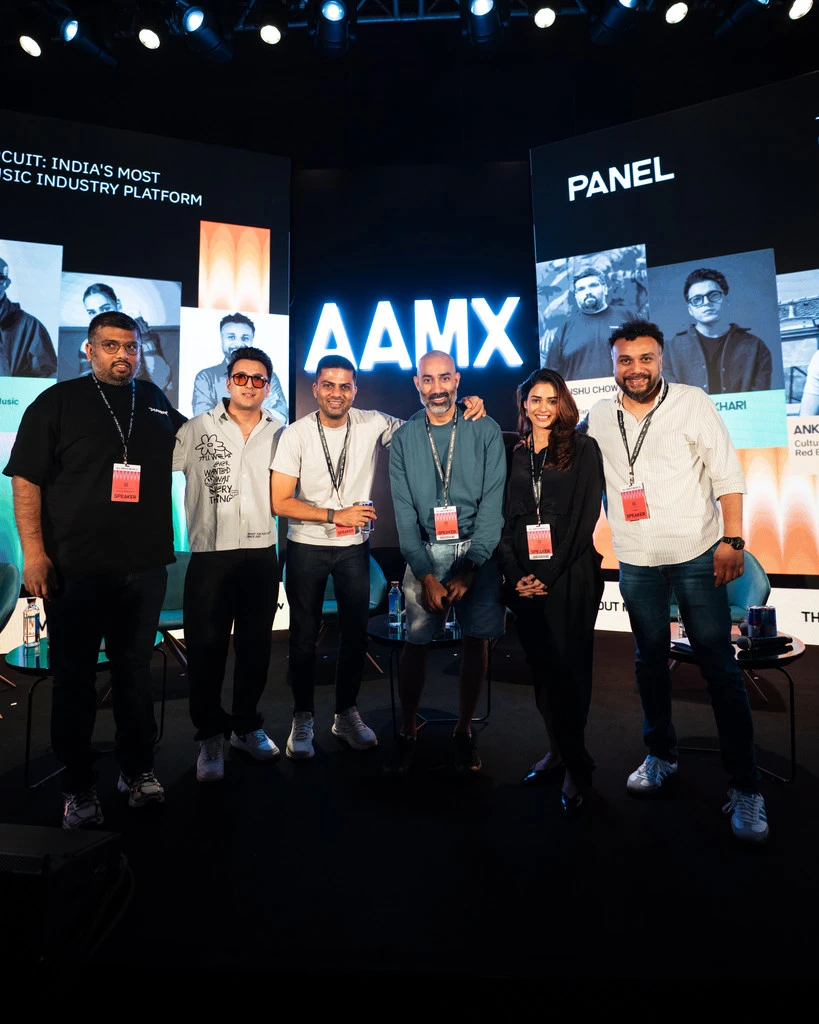
“If you can target an audience at that age then they grow with you,” said Nucleya on a panel on campus shows, moderated by Varun Khare, CEO, ThumpN. “That time has passed of campus and commercial shows being different,” added artist Aditya Rikhari. And with crowds of over 20,000 people at shows by artists like Sunidhi Chauhan, he may be right.
What is also interesting, was the scale of the production at these shows. Most of them are not ticketed, with the money coming in from sponsors, and yet, the production is as grandiose as commercial shows. “The return of investment is way higher in a campus show,” said Ankit Jain, Culture Marketing Manager, Red Bull India.
Bands like The Local Train have built their entire audience by being on the college circuit, added Himanshu Chowdhry, Founder, Spectal Management. Sunidhi Chauhan, too, by consistently performing at college shows, built her base, and her value, for both brands and the audience. “Sunidhi got paid Rs 1 crore as performance fees in the last show we did together. It was unheard of on a campus before. But she didn’t get to this overnight,” revealed Chowdhry. “That was very helpful,” remarked Shalmali Kholgade, who has been performing in college campus shows since 2013.
It seems that the campus circuit is the place to be.
There’s space for everyone at Billboard: Preeti Nayyar, COO
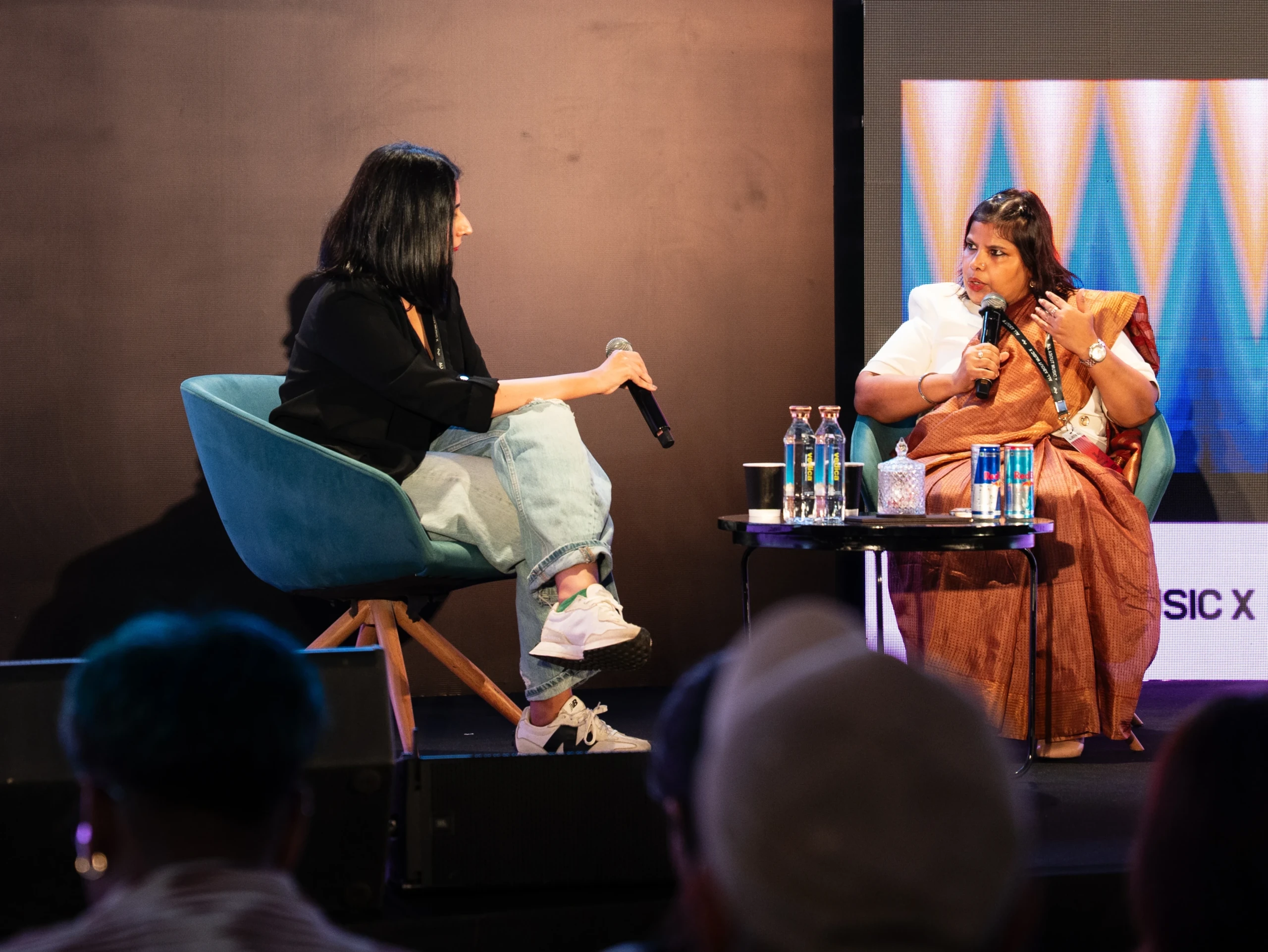
“We want all artists to know that Billboard is their home,” said Preeti Nayyar, COO, Billboard India, in conversation with Akhila Shankar, Director, BelieveArtist Services, and Head of TuneCore, South Asia. In a session on Billboard India shaping the future of music media, she added, “We want to be tastemakers and bring different perspectives, look at music as something which doesn’t have boundaries.”
Representing a global brand in India, “is a huge responsibility.” She revealed the editorial strategy – “try lots of formats, fail faster. Build long format content that is timeless. And don’t blur the line between editorial and marketing.” With all eyes on how Billboard India is going to represent its parent company, she reaffirmed, “We’re going to be bringing Charts to India. We’re going to be bringing all the IPs and events to India as well, starting at the end of the year.”
On how will Billboard India make revenue? “Ravi Kishan has already defined that for us. Make great content, and monetisation follows, my brother,” she ended with a laugh.
Bhajan clubbing is a good sign: Raja Kumari
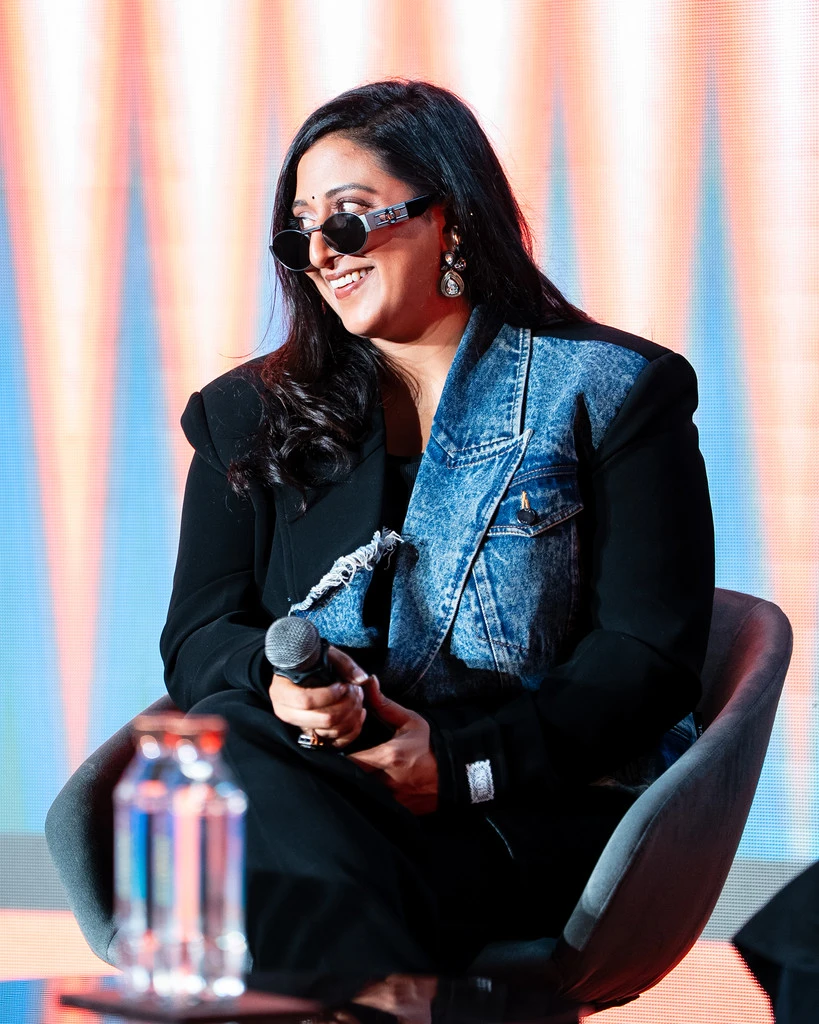
In an honest conversation with Ashish Jose, Partner, Imaginary Frnds, Grammy-nominated singer-songwriter, rapper, and record label owner Raja Kumari spoke about her return to India, her relationship with God and music, her constant attempt to reinvent herself, and creating a safe space for women in music. She also stressed on the importance of owning your music, getting the right credit and royalties as a songwriter, and how “Bollywood is a gift.”
“I moved to India to make my dreams come true,” she said. Celebrating 10 years in the music industry, she stressed on the “audacity of believing in yourself.” Moving across labels, to starting her own, and moving through hip-hop to bhajans, her journey has also been deeply spiritual. “I knew the extent of what God was calling me to do,” she affirms.
The first project with her company Godmother Records was Kashi to Kailash, a devotional music album. Raja Kumari added, “When we see this rise in interest in bhajan clubbing and taking Sanskrit and ancient songs and putting them in the modern, the fact that it’s happening in the world is a good sign. For me, making that album had nothing to do with the premonition of that coming. This was my offering to God, to Saraswati on the altar. And it’s taken me all the way to the Grammys.” She insists her version of the “Mrityunjaya mantra is the most gangster version you will find.”
A repertoire is like building a bank balance
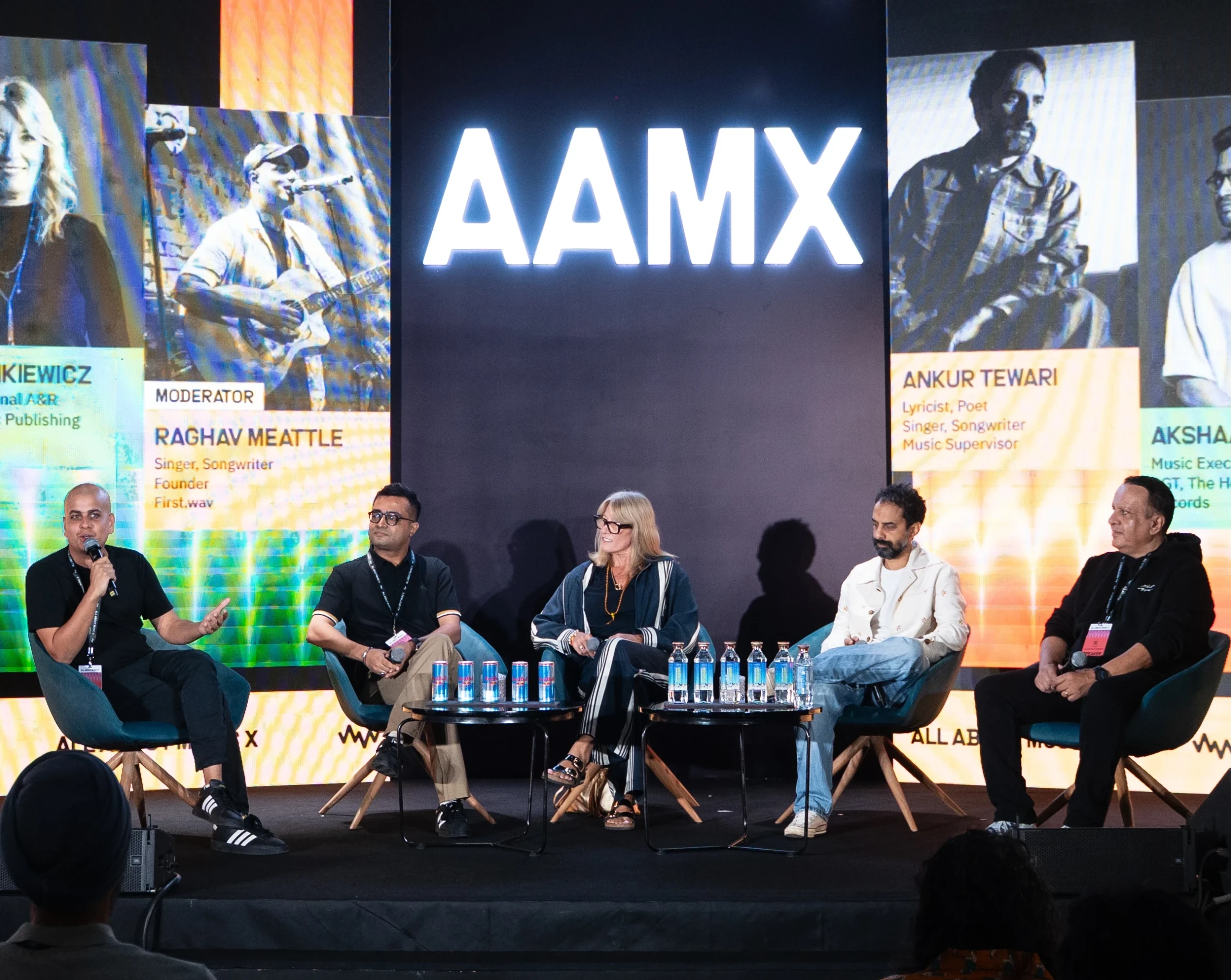
For growing artists, the first step is understanding how to build their repertoire. The panel with singer-songwriter and music supervisor Ankur Tewari, Sat Bisla, President & Founder, A&R Worldwide & MUSEXPO, Kim Frankiewicz, EVP of International A+R, Concord Music Publishing, and Akshaat Mudbidrii, A&R – The Hello Group and Ultra Records, moderated by singer-songwriter and First.wav founder Raghav Meattle unpacked that.
“A repertoire is like building a bank balance,” said Mudbidrii. There are four pillars to A&R that define modern music today, as per Bisla – artists and repertoire, artists and relationships, artists and research, and artists and revenue.
The panel advised all artists to build their repertoire with a mix of originals and derivatives. Echoing the sentiment running through the conference, they reaffirmed, a song has to have human emotion. “AI and music creation is like ketchup and fries,” said Bisla. “You don’t want more ketchup than fries.”
Interestingly, at a time when radio in India is waning, the panel pushed for radio as the tool for global discovery. It’s how Adele and Coldplay got discovered, and it continues to be a tastemaker, revealed Bisla. “Research what’s happening in the West, look at trends, see what’s playing in clubs,” added Mudbidrii.
A challenge by Sat Bisla to young artists: “I would recommend any creative in this room to do a reimagination of “Yellow” by Coldplay but do it in a way where it’s stripped back, and do it in both English and a native local language, and send it to me. If it doesn’t sound great, I’ll give you some feedback. If it sounds great, we’ll get it on radio worldwide and see if we can repeat history.”
We’re keeping our eyes peeled for this one.