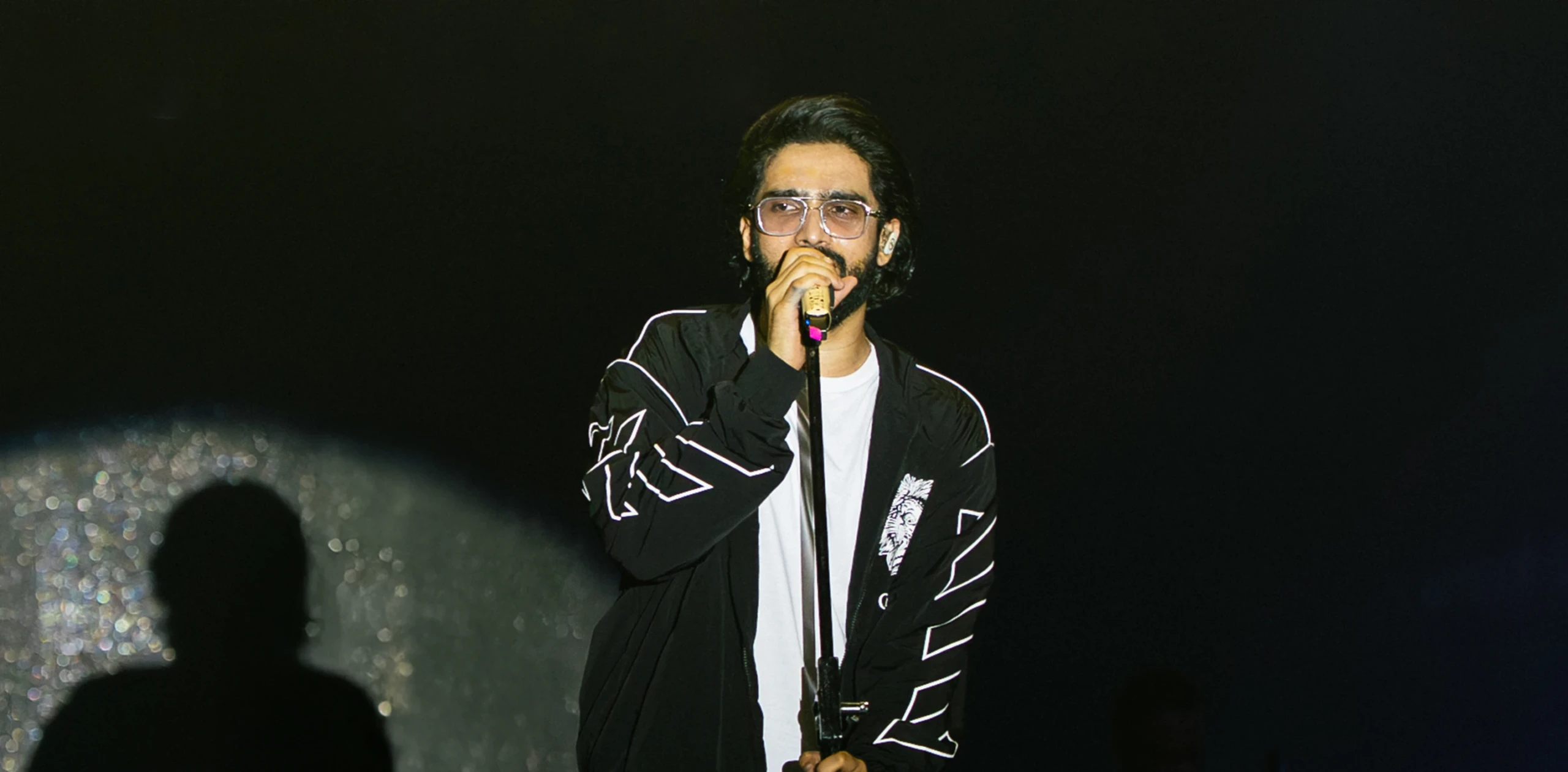
Coming from a musical lineage, Amaal Mallik is no stranger to the music industry. He’s also one of the only artists who regularly calls the industry out. His social media posts and statements make as many waves as his music. Through it all, his fans show up for him in spades. The composer is now in the second decade of a career dotted with both film and non-film releases. With 21 million monthly listeners on Spotify, and millions of views on his YouTube channel, he continues to rack up the numbers. He speaks to Billboard India about what these numbers mean to him, what he’d like newcomers to know, and his latest composition for Awarapan 2.
You have said, ‘let’s not confuse data, numbers and momentum with magic’, when talking about “Yeh Awarapan”. How do you make a distinction between data and magic?
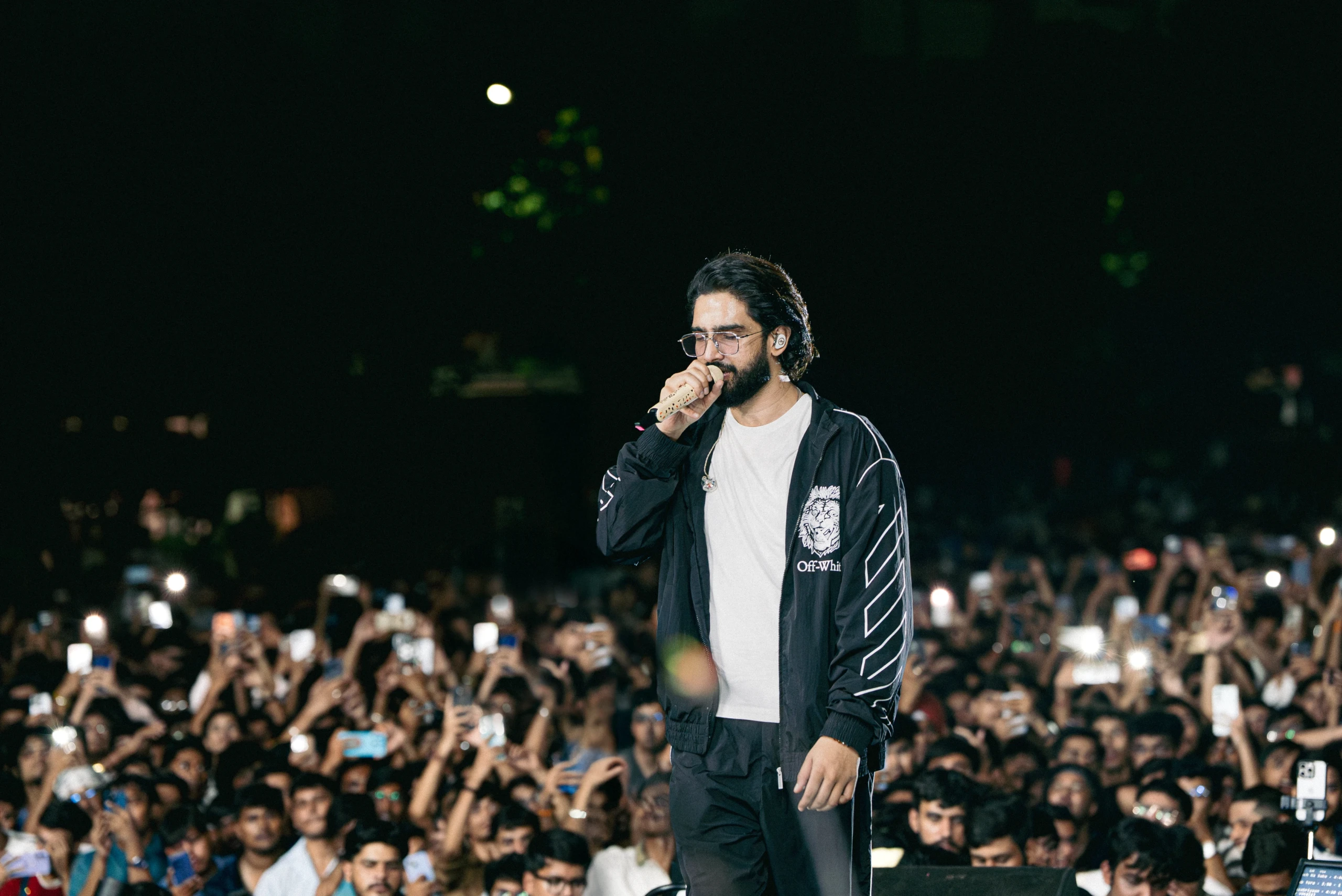
When I started in 2014 as a composer, the be-all and end-all was film music. There was no other route. The world is quite changed today. People get instant gratification on an Instagram reel, which is amazing. A singer gets a lot of audience from there.
But the creative process from where I come… the dream is not to become a singer. My dream was to become a creator and make songs that touch people’s lives. And that’s exactly what happened. So from there, step by step, it led to one song after the other, and an audience got built, which I’m very grateful for. The kind of audience a music director has in this country or a singer has or an actor has is very, very different from each other.
But I have all three.
That’s happened only because of the purity of my music. And a little because I stand up for myself and I say things which ignite a lot of youngsters. [laughs]
I think the data that we’re calculating, like the streams or views a song gets, grows with time. It is important, but not more important than creating good music. I am the guy who will always tell you it’s art over algorithms.
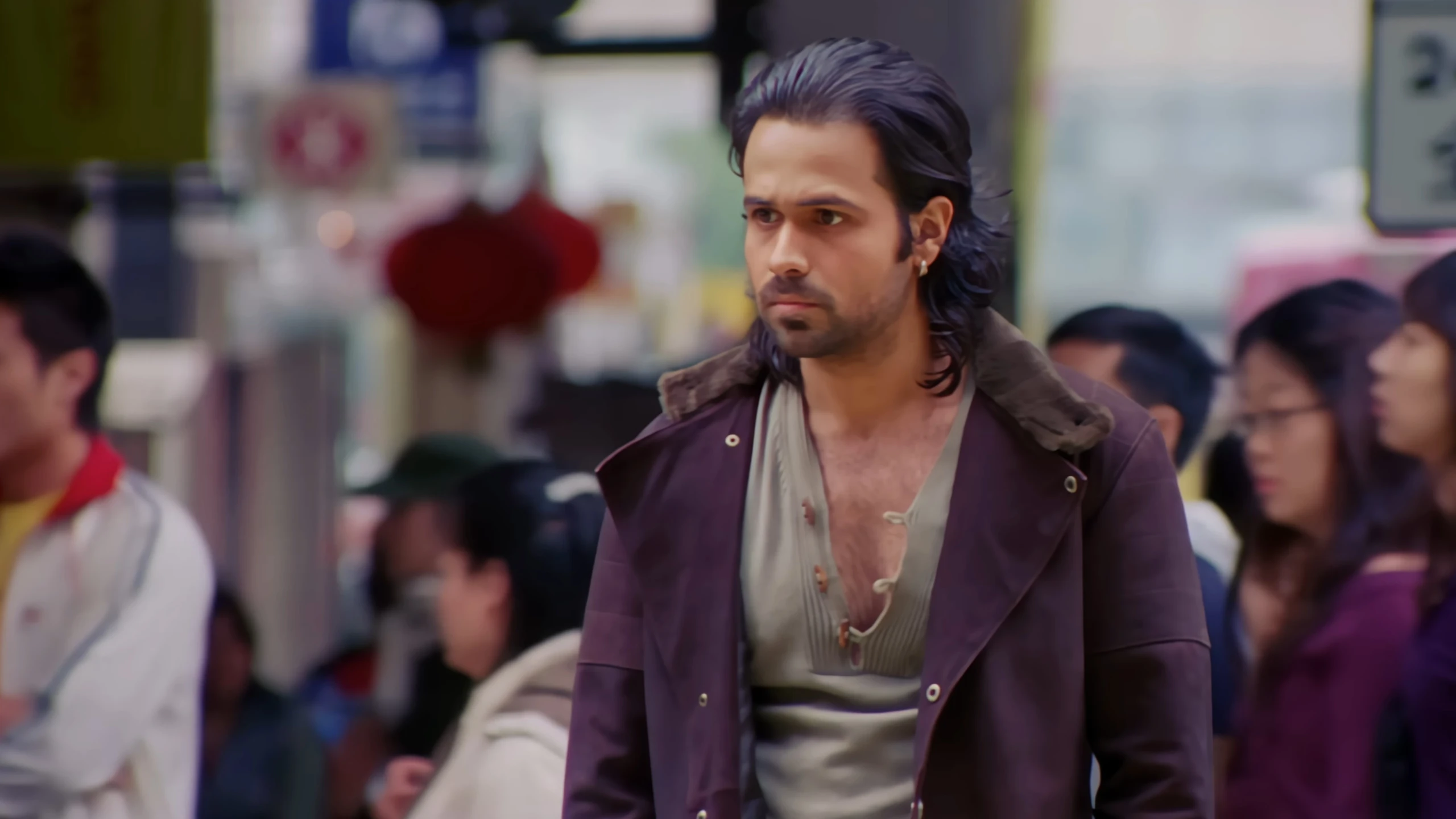
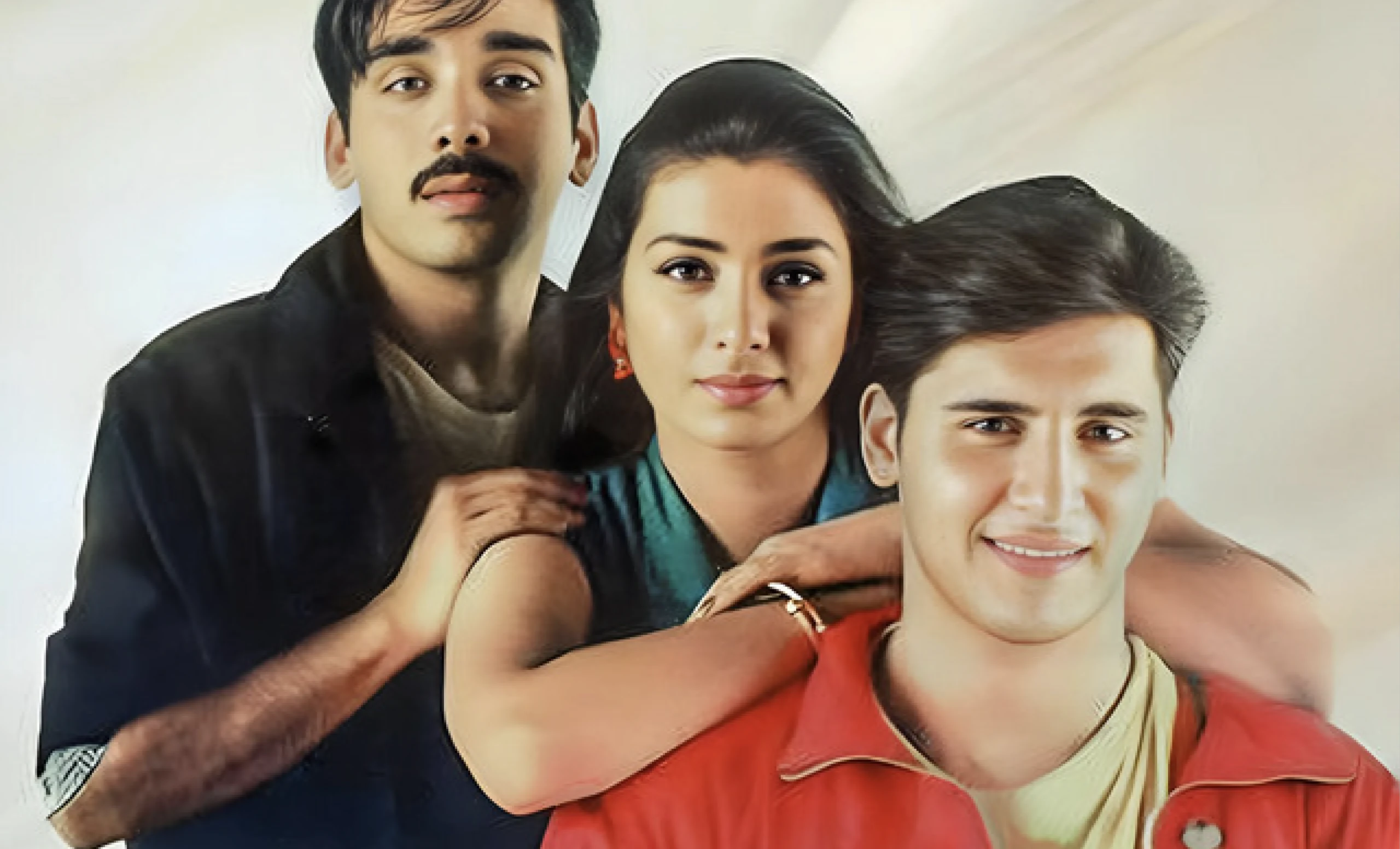
For Awarapan 2, what are the elements of the first album that you wanted to bring back? Was it scary for you to do a reboot when the original one still has such massive recall?
There’s a lot of hoo-ha on social media on whether we lived up to the first album. That is always going to happen in a sequel. And especially for an Emraan Hashmi film which always has at least two to three blockbusters. It is pressurising for anyone to be part of this album. For me, it is a little more difficult because I did my most purest work with him, which is “Bol Do Na Zara” and “Main Rahoon Ya Na Rahoon”. The third time working with him I was thinking, ‘Damn, I have to do something even better’.
I remember in a lot of reviews people were thrashing the music [of Awarapan] back then. It was very new, very fresh, and very different. And obviously it had the touch of Pakistan and pop music from there, which Pritam Da reinterpreted to a more Bollywood-style.
“Toh Phir Aao” and “Tera Mera Rishta” were guiding angels for me. And I have taken the soul of that film, and that understanding, and because I’ve been a fan of the movie. Fortunately or unfortunately, I’ve done just the title song, so I get to make one pure song and do my best. I think I’ve done that and Arijit [Singh], me and Virag [Rashmi, lyricist] have put our best foot forward. Now it’s just the audience giving its love and I think it’s all positive. In the time of remixes, it’s a pure, original song, so it will take time. That’s how it is.
Let’s talk about the industry. You’re one of the only artists who calls out the industry on various things. But the industry traditionally works on relationships. So how does that impact your work?
Sadly, it works on relationships. That’s why good music isn’t being made. [laughs] This place shouldn’t work on relationships, it should work on merit.
Today, if I’m working with a new music producer, or lyric writer, it’s my job to guide them. A music director has to be respected the same way a director is. We both are envisioning the film, right? One is shooting it, the other one is giving soul to it with music. And the word director comes even after music. When they do it together, something beautiful happens. Like this time, Mukesh Bhatt sir’s belief in me was why I could do the title song.
I’ve done a lot of work, which I would not say is impure, but I started seeing that sidelining happening to the original composers. Not just me, everyone. But not everyone wants to speak, and not everyone wants to say these things, because obviously it affects work.
But I’m okay. I think it gives me the next holiday dates. [laughs]
Do you feel that there has been a bit of a blowback?
Yeah, fully. In the last 7-8 years, since I started reducing my work, and just remixes were being asked of me, there were situations where I had to be removed from films. 50% of films I left myself, and more than 50-70 films, well, I was taken out of. There are 60 films you can take me out of, but I’ll answer back with one Awarapan 2, so I’m okay.
You understand that it is not about just the song, it is about many factors. It’s how you communicate with people from the industry, and how malleable you are. I think for the purity of music, I’m there. When you’re designing the music of a film, if there are just three to four people sitting and jamming and creating, and maybe one or two people approving the music, it works. But in the last many years, it’s been 15 to 20 people on the head of every composer, teaching them how to do music, at least on the Hindi side of things. So it has been tough, I think not just for me, but for everyone.
You sound disillusioned. Does that get channelled in your music?
It’s a lonely space because you’re standing alone against the might of many. I channel that into the songs. But there are times where I stand up and I say these things because it is about educating younger people who enter the scene. It’s for them to know that this is what happens even to the top brass. It’s not easy for someone on Pritam’s level also. So why lie?
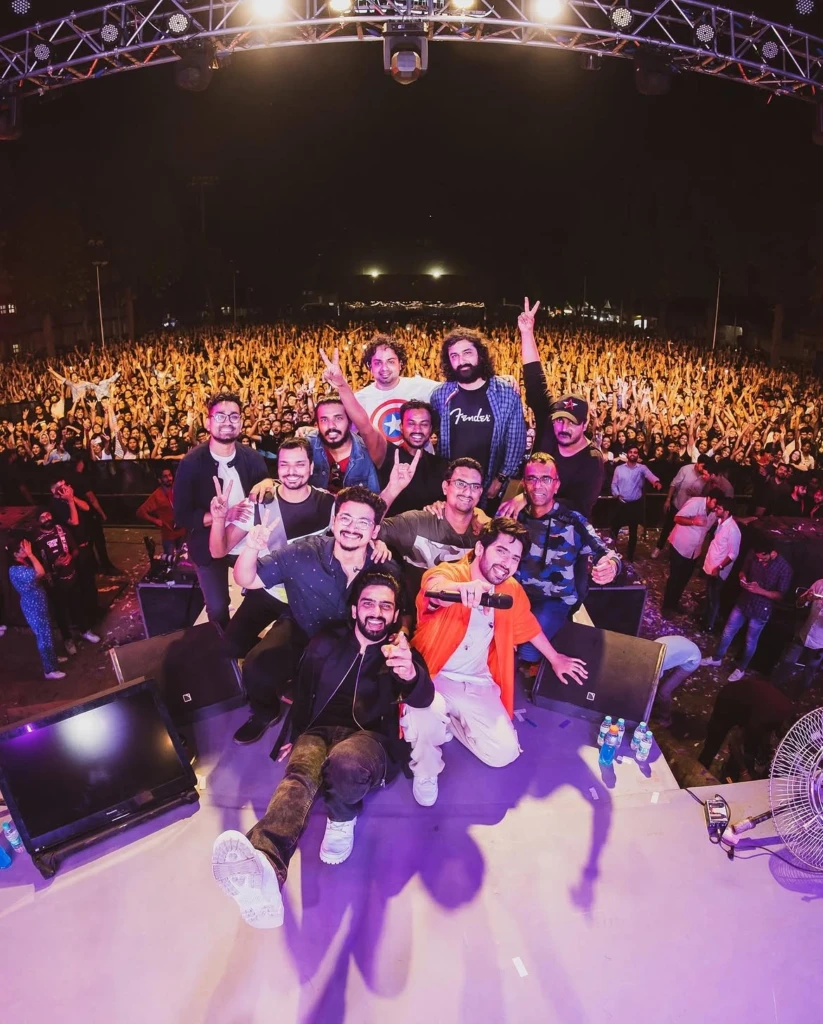
Does it help to have a brother in the business?
Armaan is super talented. He’s the youngest, most talented singer. He’s delivered back-to-back stupendous hits with me, and with other composers also. Mainly with me. I think somewhere we both understand each other’s soul. And he understands my music on a deeper level. It’s almost like I’m singing for myself.
Armaan and I create a lot of music by fighting with each other and disagreeing with many things. But whenever I need a superstar, an amazing singer in my song, and a lot of soul in it, there’s no one better than Armaan Malik. And I’m glad to have him at home. [laughs]
The experimental space and a little bit of discovery of the pop soundscape is where Armaan and I, both, try to keep pushing the envelope. We’ve been doing this since 2015. The entire pop side of music was not even activated till something like “Main Rahoon Ya Na Rahoon” came. And then songs like “Chal Wahan Jaate Hain”, which I did with Arijit, or later “Zindagi Aa Raha Hoon Main” with Atif.
Armaan did English music when people felt that English music would never work. But he’s been an anomaly, and he’s proved that it can happen. Someone from India with the right accent, with the right understanding of Western music, can go out there and stand tall in the West as well. So I think that dream is his.
In all this unfairness in the music industry, what gives you hope to keep going?
Every time I go to sleep at night, I realise that there are a lot of people that are living, breathing, sleeping, eating through my music, and that’s bigger than any of the awards I’ve won. For me, the love for the art is a lot, plus the love that I’ve got for creating that art, has been ten-fold. On a hard day, if my music is your friend, I have won. I don’t think there is any other benchmark for me. That is what fuels me.
This year has been about artists in the film industry announcing early retirements / career pauses. What is your theory on why this may be happening?
I’m glad they are taking a stance and saying something like that, because I said it in 2019. You do get exhausted working film to film. And when you work the way Pritam works and the way Arijit has worked with about 700-800 songs in one decade, it’s not easy. They have nothing more to prove on the film side at all. It’s not like they’ve hung up their boots from music. They want to do music a certain way. And it’s a brilliant call.
It gives the space to so many artists to understand that at the top of your game also, you can feel this and take a step back. We have always been pressured into thinking in every sphere of the film industry that time and tide wait for none.
It was tough initially for me. When I look back, I have taken this decision seven, eight years before any of them, without that body of work. I’ve said it during my growing time and a tough phase. But it was the right thing.
Living the life of an artist, it is very important for you to come back home and make good music. There’s been no enjoyment of success for someone like Pritam Da. I’ve seen him live in studios and I’ve lived that life for 10 years and I’ve already figured this is not how I want to go ahead.
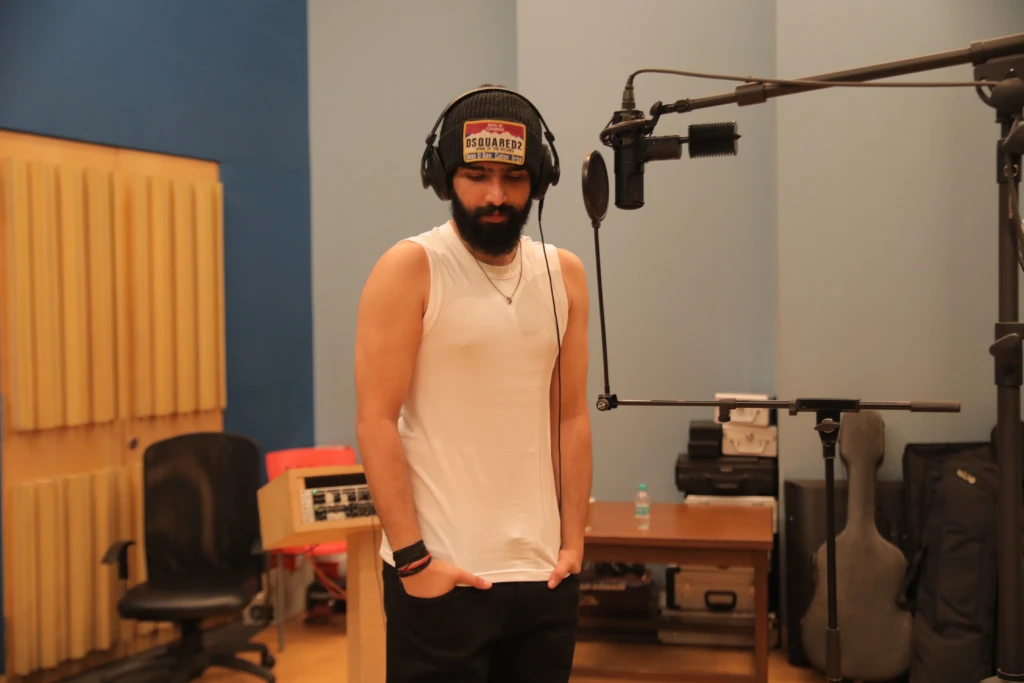
A couple of months back on Reddit you headlined your life as “A story written in blood”. Can you explain that?
[laughs] Everyone who has seen my journey closely, has seen me put up a fight tremendously. It’s been head-on and it’s always been for music. But it has taken blood, sweat and tears out of my life to create each and every song, and have so many people oversee something as simple and heartfelt as music.
We’re not trying to prove a point through a song but it became a point-proving thing in the last decade that we need to open a film with a banger or have a promotional song which saves the film because the film is no good. These kinds of pressures started falling on composers so much that the only way was to do pure music and keep repeating that process. Anyone who came within the process of not letting me do a good song, I would put up a fight and slowly, steadily, what I’ve realised is that not everyone needs me or my kind of music.
I have to build myself, it’s important. That’s what I want to tell artists that are entering that it’s not going to be one film song that will save you today or make you today. You have to build on yourself. You have to make your own community or audience. Be there for them and because they have loved you. There have been several nights where every artist including me must have felt ki chhod do yaar, nahi karna. But it is that love and it’s those fans that keep you going.
I think it is very important that you understand the story that this family comes from, that’s why I say blood because it’s taken years. It’s Sardar Malik, my grandfather who debuted in 1951. My uncle [Anu Malik] debuted in 1977. Dad [Dabboo Malik] debuted in 2000-2001. Then Armaan and I came through. It’s been a very long 75-76 years of music between us. There’s a lot of weight that goes behind every song that we release. It is always going to be compared to something that my dad has done, uncle’s done or my grandfather’s done.
I have a different journey and yes, it has been written in blood, and it cannot continue with ink.