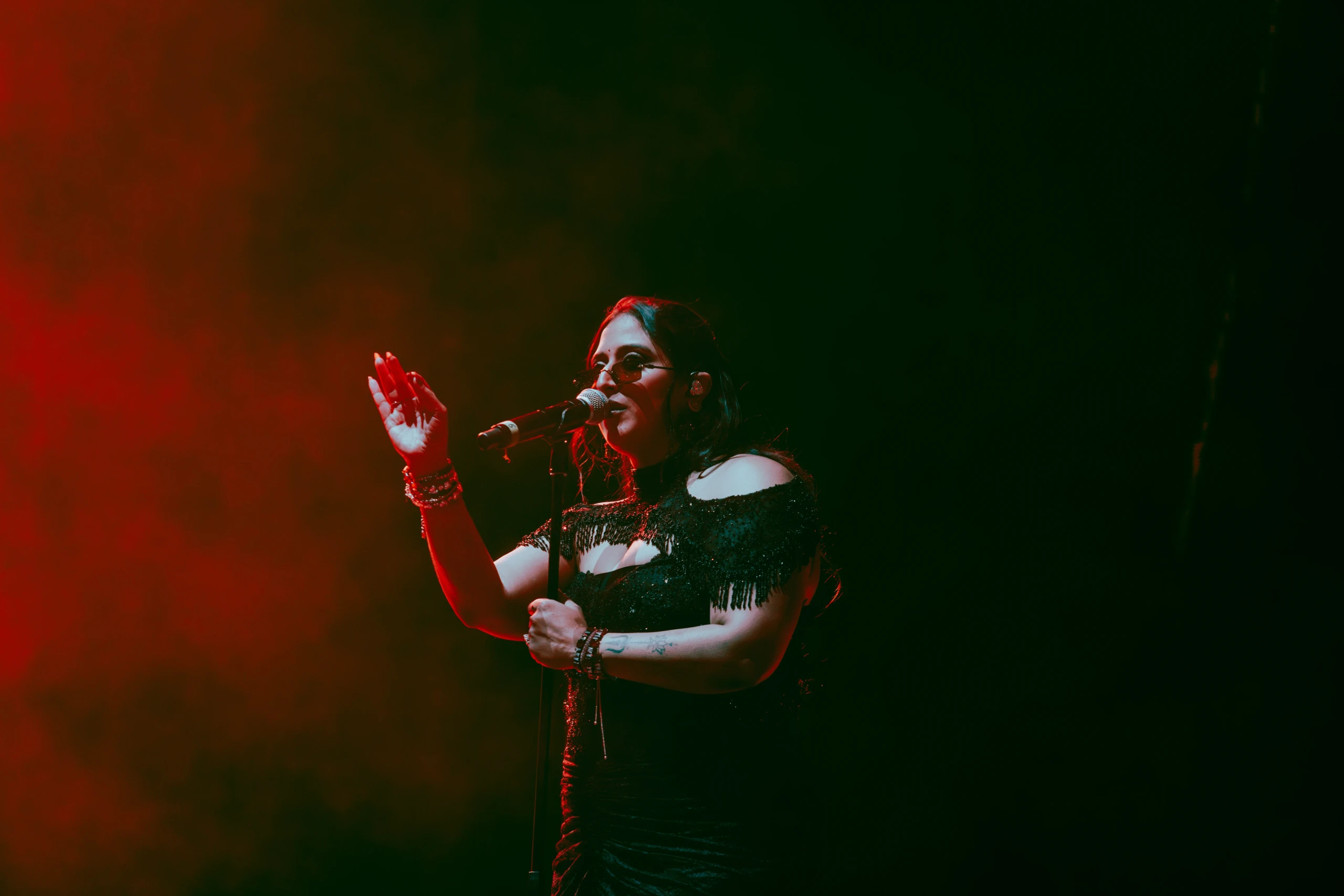
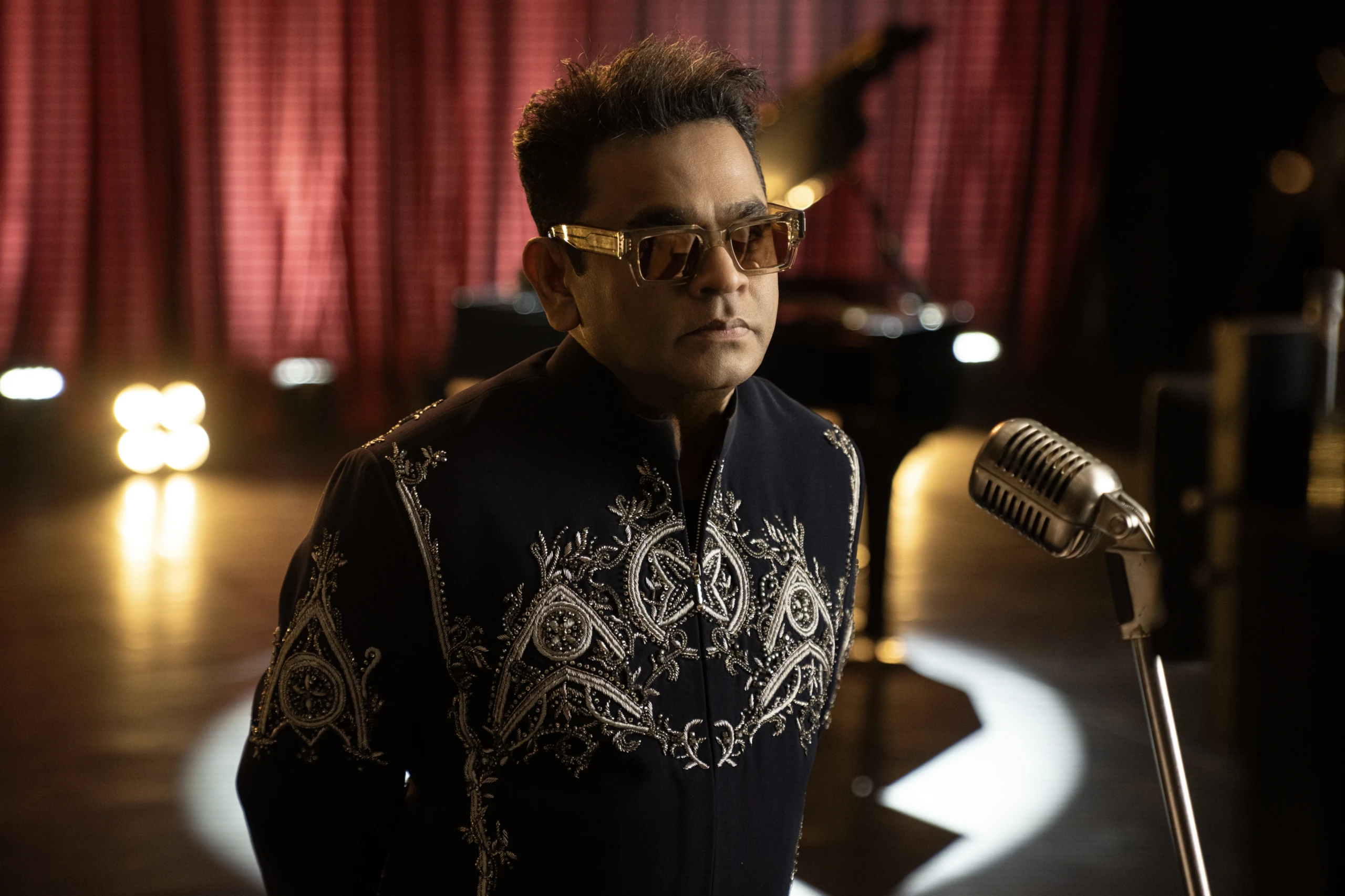
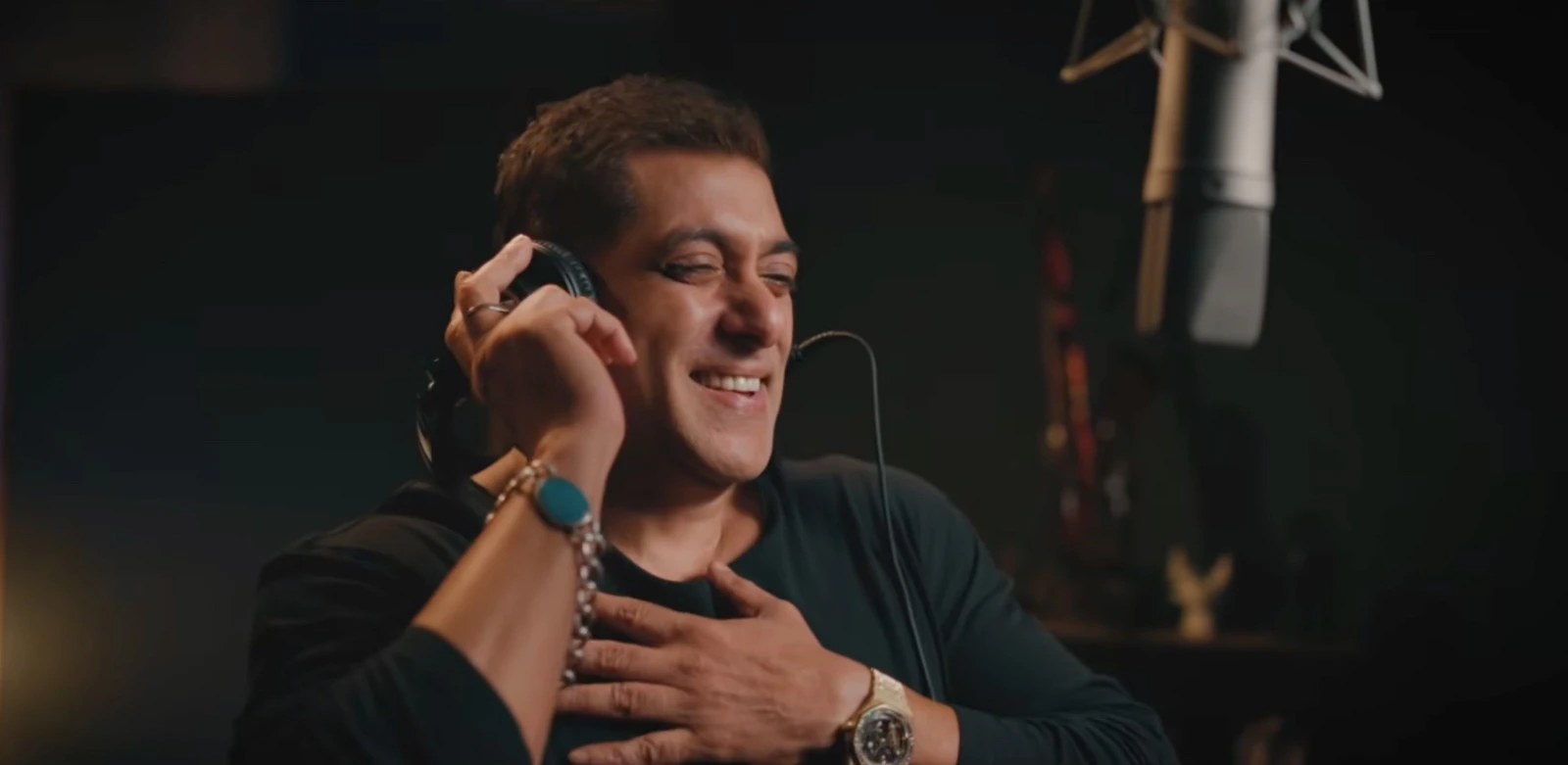


Mohd. Asif started singing Bollywood song covers in cafes and weddings in 2012. In 2026, he’s the name behind ‘Bismil Ki Mehfil’, a Sufi and Qawwali show selling out across India, and abroad. The Delhi-born artist is back on the road with his eponymous mehfil from November 2026 with Zee Live and Supermoon, playing seven cities across the country.
“Bismil means a wounded lover. And I was a wounded lover back then [laughs],” he tells Billboard India about his stage name. The name ‘Bismil’ itself comes from the song “Gulabi Aankhen Jo Teri Dekhi”. “There’s a line in the song ‘zara sa haske, jo dekha tu ne, main tera Bismil ho gaya’ that clicked with my mom,” he adds. He carries that line with him even today – it’s printed on his mic.
He speaks to Billboard India about how his show came to be, how he builds his set and his original music in this interview.
Edited excerpts:
You’re trained in classical music. But how did the idea of doing a mehfil come to be?
I’ve been learning Indian classical music since I was five. But I was always inclined towards Sufi music, towards Qawwali. Both of them have similar harkatein (gestures) and layakari (rhythm) in the songs. I got a lot of support in classical music and implemented it in Qawwali. I always wanted to be like Nusrat [Fateh Ali Khan] Sahab, but I never got to do that.
During COVID, me and Vibhor [Hasija] had decided to do something new and to fill in the gap of Qawwali in India. We took that risk and thought ‘now is the time, we have to do something on our own’ and we made this ‘Bismil ki Mehfil’.
I still remember our first show in 2022. I was very, very nervous that I am doing a Qawwali set for the first time. But it was a very beautiful show, and it was a wedding show. It was the first show in which the very first show itself became successful. People were like, ‘oh, this is something new. We have never seen this before in a wedding.’ The culture of Sufi night in weddings gave me my first show. And that was a hit.
How was the journey from a wedding show to the first ticketed show?
I don’t remember exactly which was the first show. But I remember that we had announced our India tour for the very first time. It was my first time seeing myself on a banner. We were doing small shows, not big ones. But doing an India tour itself was a very big achievement for me back then. It was a beautiful feeling to see people buying tickets for you. To see them especially coming for the mehfil saying ‘I want to hear Bismil’. And they’re cheering so much for me. It was a very wholesome moment in the beginning that I’m on the road to make things happen for myself, and slowly they are coming together.
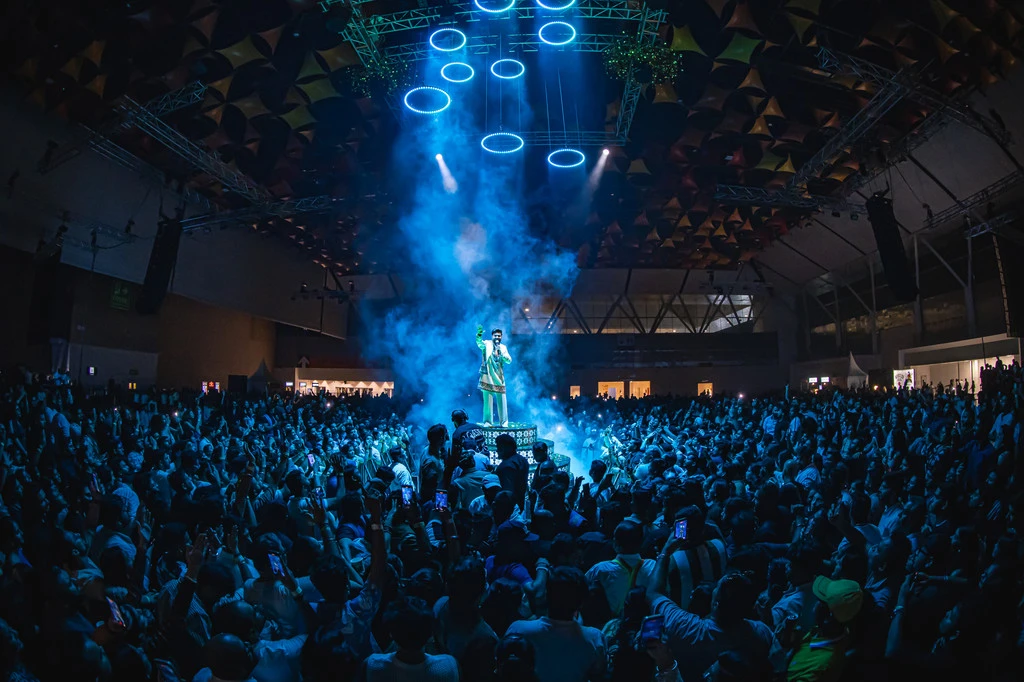
A mehfil, traditionally, is intimate in its setting. Today your mehfils are in big venues. How do you recreate that intimacy with the audience?
I just be very real on stage, and very real to my music as well.
I’ve now been doing this for so long, I now know what the audience wants. Which song they want to listen to next, what is the vibe they want. I connect with them in a way that they don’t leave their grip on the music in the entire show. I hold them from the beginning to the end – those three hours of the concert are mine, and I won’t let them go.
Are there some songs which are a staple in all your shows?
Definitely. First is my favourite qawwali “Kali Kali Zulfon Ke Phande Nah Dalo” by Nusrat Fateh Ali Khan. And now, there’s this new track of mine “Noor Ke Hawale”. I’ve started doing this on my show and I love singing it. And, of course, “Ye Jo Halka Halka Sooror” by Nusrat Fateh Ali Khan.
There’s a section of Sufi Techno. This is a whole new Techno set which people haven’t heard before. And then there’s Bollywood Sufi. I will never leave Bollywood, I started my journey singing Bollywood songs everywhere. I am connected to them deeply, and I will sing it for sure. Whether it is a Qawwali set or a Techno set, Bollywood songs will always be a part of it.
How do you blend Sufi and Qawwali with Techno?
I don’t just listen to Qawwali. I listen to every genre. I listen to House. I listen to Techno. I listen to R&B. I listen to Indian classical music. I listen to Bollywood. I love listening to all genres of music. Whichever genre I have adopted, for example Sufi and Qawwali, I want them to not be bound. I want to take Qawwali to the global stage. I want to take Qawwali to Coachella, to Tomorrowland. If I want to reach there, I have to use global sounds.
We are experimenting with these global sounds. The Sufi Techno set has Qawaalis with Western beats and sounds. We had tried it two years ago in India and people had loved it, and sent me many messages saying they had not heard a sound like that before. It gave me motivation, and now another Techno set is ready for people for my India tour.
What about your original music?
I have started ‘Bismil Ki Mehfil’ with covers. Back then I was not singing any original songs in my set, and neither were my original songs popular. Now that the audience has accepted me, I’ve released quite a few songs: “Tu Te Sharab”, “Maula Toh Puch” with Harshdeep Kaur, and now, “Noor Ke Hawale”. I am implementing those songs to the set list, and I have been singing them since some time. But for next year, I have a plan to do my own songs, like 70% of my own songs in my show. The songs are ready, and I am changing the sound. I will implement this change slowly, introduce more of my songs, reduce the covers a little, but the feel of the mehfil will stay the same.
Do you work closely with the styling team for your outfits?
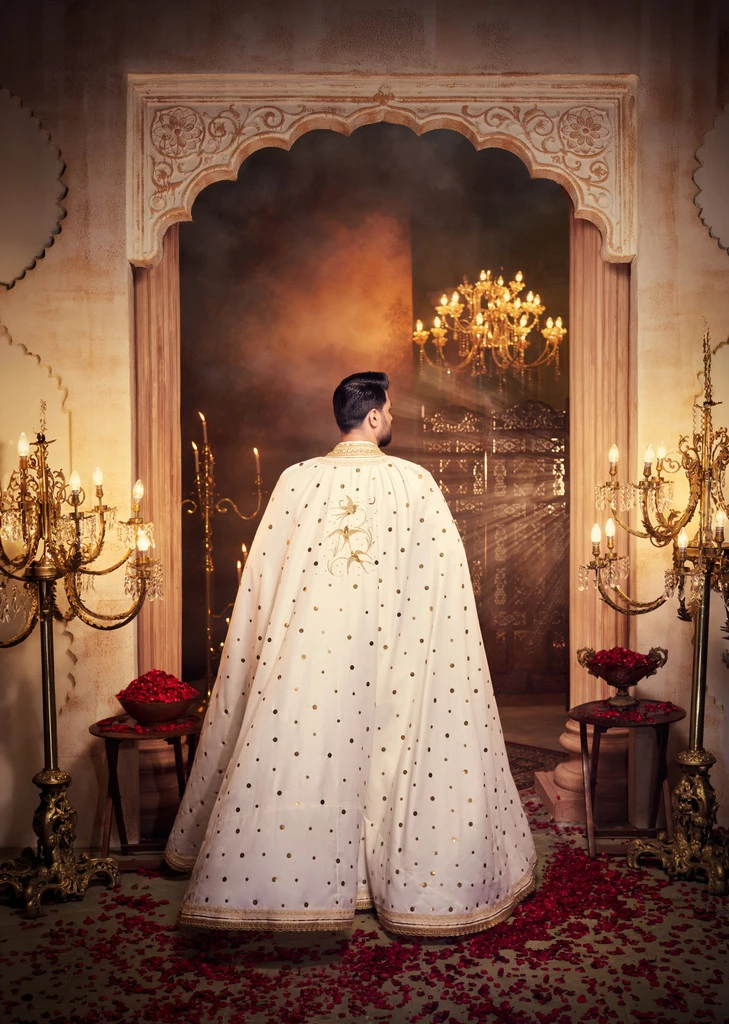
I try to keep them very royal. They should give the feel of a mehfil, and connect with the audience. They should have a story to them. We’ve just revealed the outfits for this tour, and there’s one white outfit which is my favourite. It has three birds at the back. There’s a story to the birds – I am a third generation artist in my family. My grandfather was a sarangi player, my father is a tabla player, and now here I am a vocalist. I am taking forward the legacy.
Who would be your dream designer for your stage looks?
I would love to collaborate with Sabyasachi. I’ve not done it yet, but I have a dream that if he creates it for me, it will be something larger than life.
[This interview is translated from Hindi.]