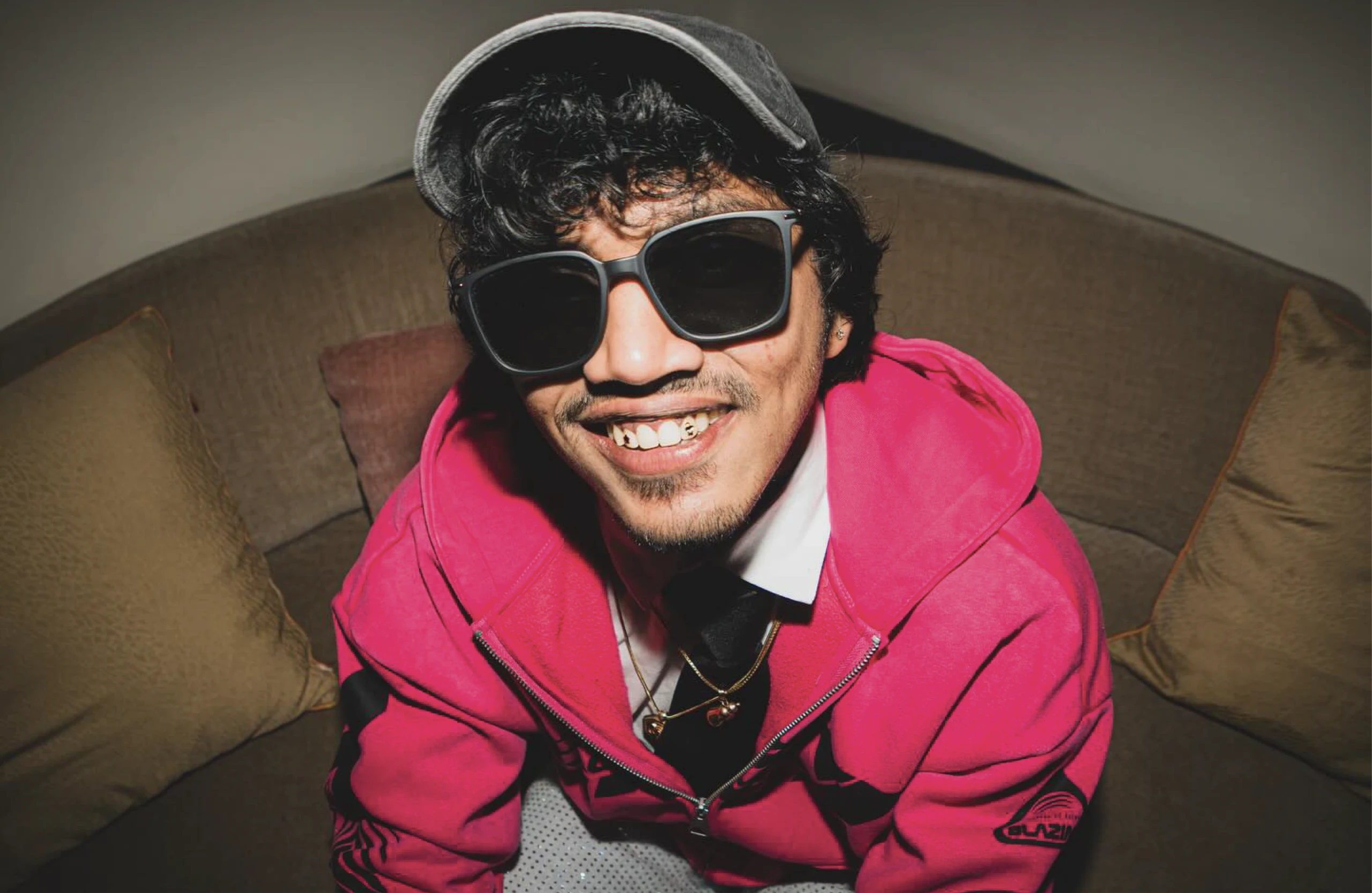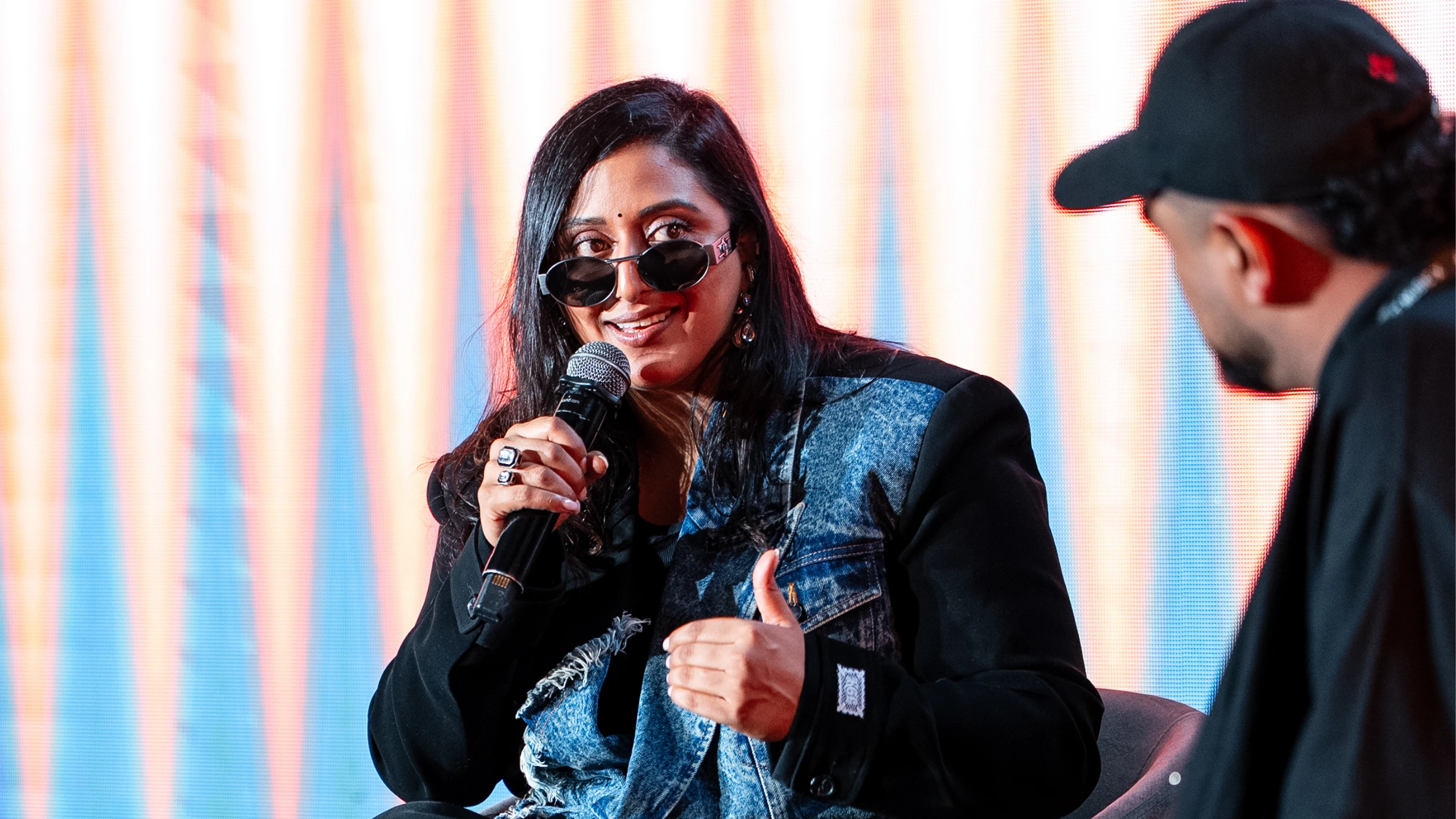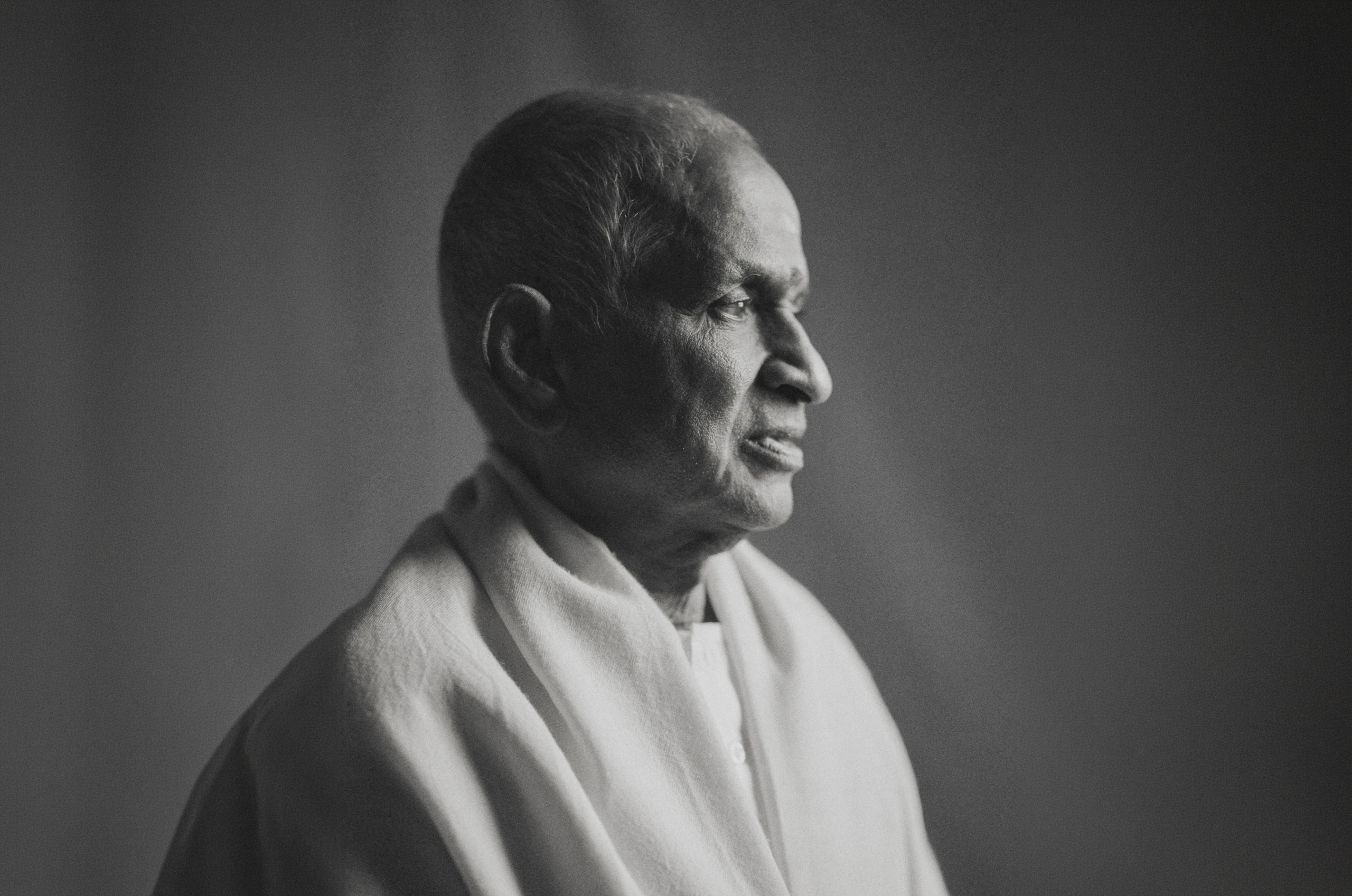
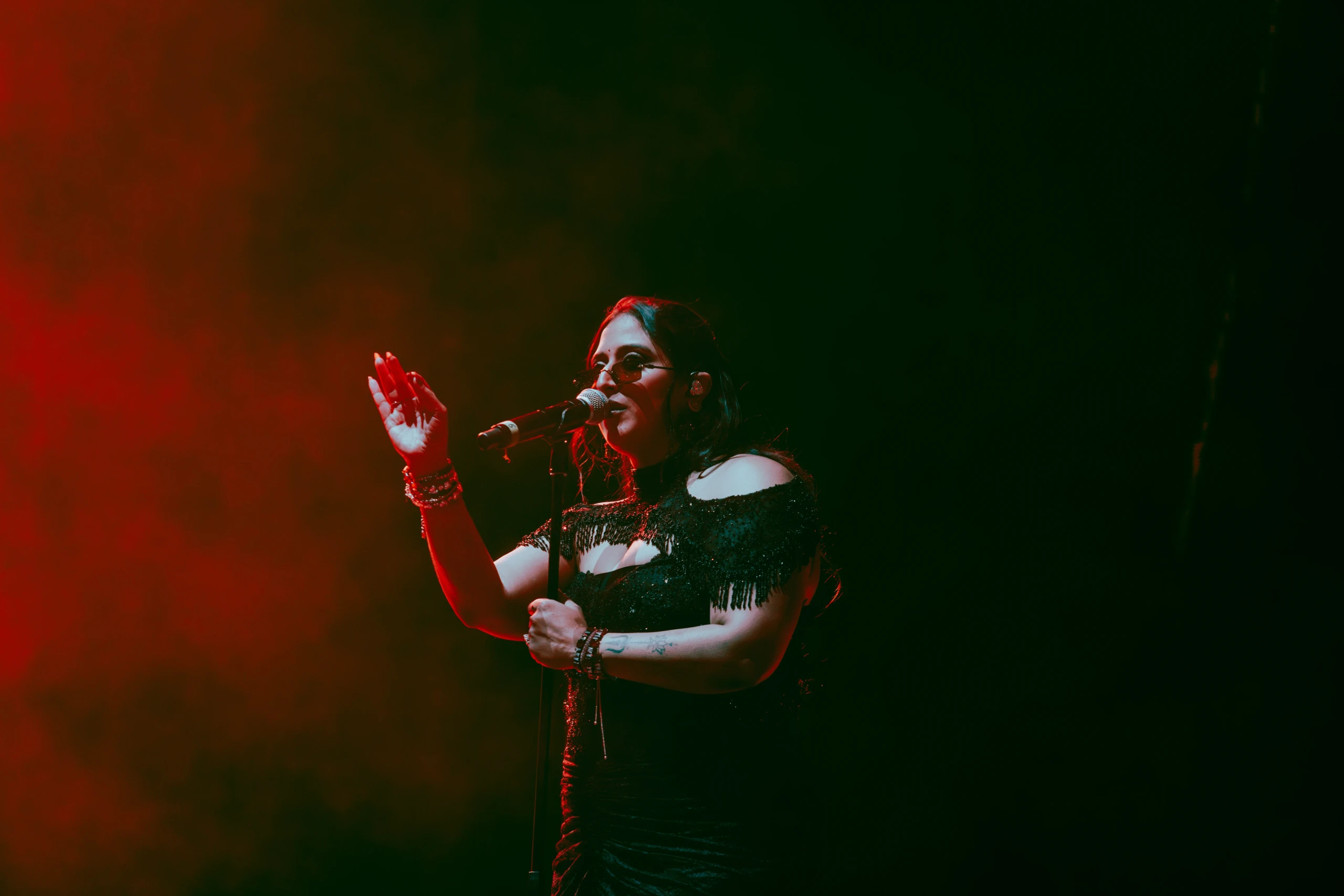

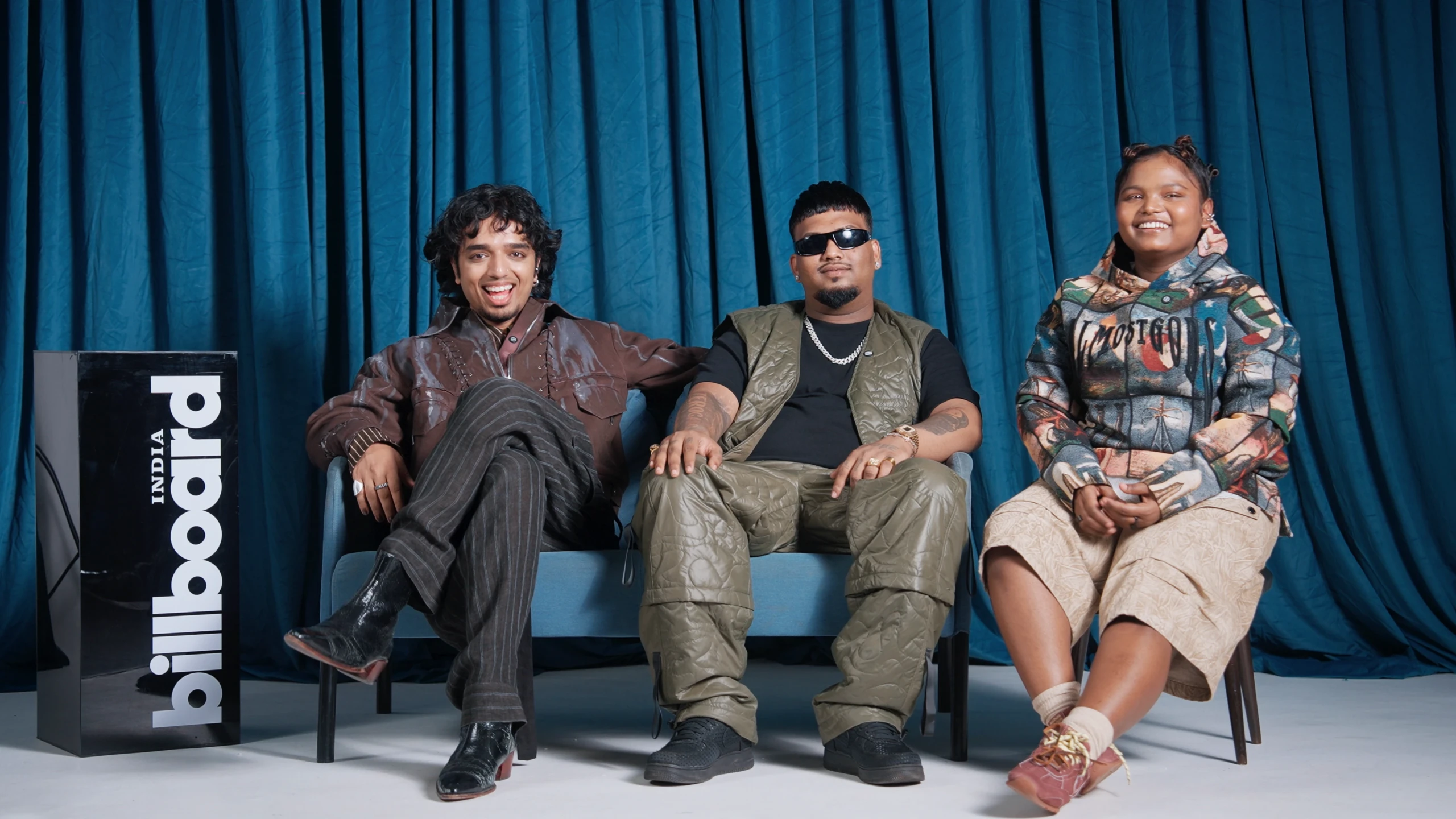
As Hip-Hop in India welcomes new voices at a rapid pace, Billboard India’s October 2026 cover stars reflect the breadth of this moment. Spanning Marathi, Punjabi and Hindi-language scenes, Sambata (24), Param (20), and Chaar Diwaari (23) are early in their careers but have already carved out distinct lanes. From Sambata’s Red Bull 64 Bars performance “Vazan” and “Pinnak”, to Param’s folk-rooted, unflinching writing that has earned her the moniker “Lady Moosewala”, and Chaar Diwaari’s genre-fluid mix of horror and Sufi-inspired pop – the three’s discography actively expands what Indian Hip-Hop sounds like.
In an excerpt from their conversation with Billboard India, the trio reveals when they realised they could rap, the biggest creative risk they’ve taken so far, and more.
At what age did you realise you could rap?
Param: I actually didn’t start with rap. I started with Punjabi folk, and I like singing classical and Sufi music too. When I was in a college two years ago, I sang at a youth fest. And the teachers were like, “You should do this.” After that, I found a few friends who did this, and a couple of them who wrote and sang on their own too. I used to see them and think, “I want to try this as well.” So yes, I only started writing only a year ago. I’ve been listening for very long, but all of this started only a year, year-and-a-half ago.
Sambata: When I was 13 or 14 years old, nobody in my family had a phone, but on TV they used to show rap on MTV. And I began to realise, I really like this music. I used to listen to and sing qawwalis (devotional songs), but I realised I like this [rap] music more. I started rapping in cyphers and on the street, and slowly, it just started.
Chaar Diwaari: I used to write rap, but mostly as timepass (casually). I used to try and copy Bohemia when I used to write… I don’t even know Punjabi. Nor do I know Marathi. I used to try and copy Yo Yo Honey Singh too. And then I wrote Hindi poems for school homework, so I started liking writing poems. I started music production later anyhow, downloaded FL Studio. Cracked [the software]. Illegal. And I started making music there. That was it.
How did you choose your stagenames?
Sambata: Everyone in school used to call me by my last name, and once, by fluke, I called myself Sambata. And why? I don’t know, even today. And since then everyone started calling me Sambata. And then I became a rapper, and I didn’t have a stage name. Then my friends suggested to not think about it, they said, “Since people anyway call you Sambata, so stick to it.” I didn’t know what it meant, but I think it means “Saturday” in some language.
Param: I just had one thought: I don’t want to keep my original name. Literally any other name is fine. Because my name [laughs] is an “auntiyon waala naam” (a name for older women). Where I come from, “Paramjeet” is a name that suits the old ladies. “Paramjeet Aunty” – I don’t like that. I said [to my team] that besides this name, just keep anything else. And they said Param. So we kept Param.
How important is anger as an emotion for a Hip-Hop artist?
Param: I don’t think you should say anger. It should be all emotions. The way you emphasised anger, you could also say the same for love. It depends on your perspective. I don’t think you need anger.
Sambata: It can be a little bit of anger, but an artist is also made by having some wounds.
Chaar Diwaari: I don’t think it’s necessary. So many nepo-babies write so well, it’s not like you can’t do it if you aren’t angry. It’s like how Param said. It’s a culmination of emotions. I use a lot of rage in my songs. I feel very strongly about a lot of things, I’m a very sensitive person. I feel everything too much. Even a small thing can eat away at me a lot. I feel a lot of love, lot of anger, lot of jealousy. Just, a lot of everything. It’s all over the place. Everything culminates into a product.
What has been your biggest creative risk so far?
Sambata: Have you heard “Pankha Phast”? It’s made on Dembow music (a high-energy Caribbean music genre). I made it with this big producer, Phenom. It was just the two of us. I thought we’ll try something new, but when I went to his studio and he played the beat and said “We have to make this,” I said I couldn’t do it. But he convinced me, so we made it. A lot of my friends told me to not drop it. They said it’s a different sound, and it doesn’t suit me. We dropped it anyway. And we ended up getting a lot of positive response to it.
Chaar Diwaari: “Jhaag” would be mine. I had a lot of fun making it. These music school boys love jazz, they just want to hear a chord or two in the track. So there’s just an 808 (a booming, low-frequency bass sound) playing, a shehnaai sample (a clarinet), and a dafli (a frame drum) sound. People were like, “There’s nothing much in this.” But I was enjoying it, and a couple of my friends liked it, so I said “F*ck it, let’s drop it.” That was it, and the song did great.
Param: Songwise, my song “Diary” is one that everyone told me to not drop now, and push it for later. It was just three of us who wanted to put the song out, so we did it. That was it.
Watch our full conversation with the three cover stars, now live on Billboard India’s YouTube channel.