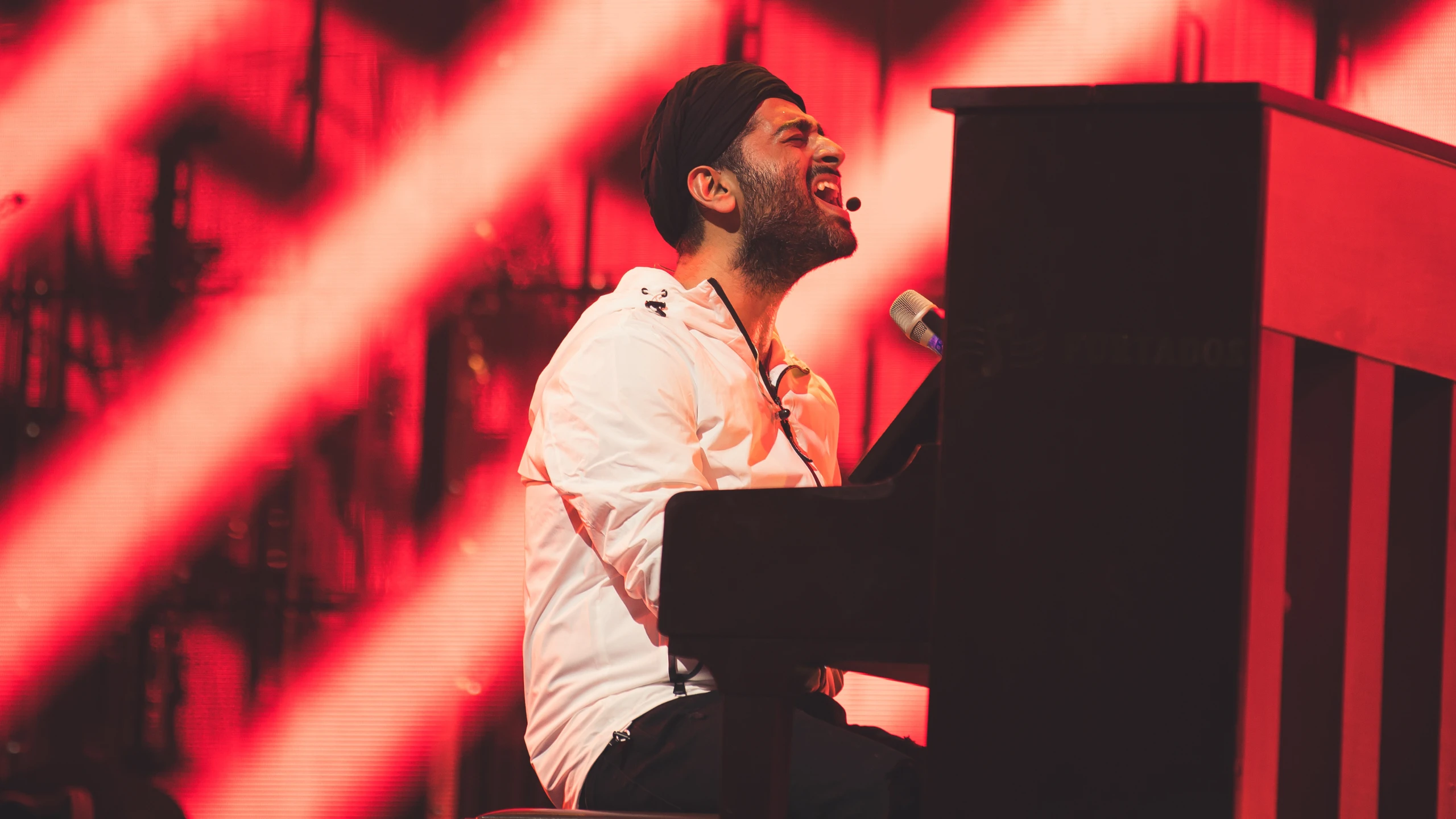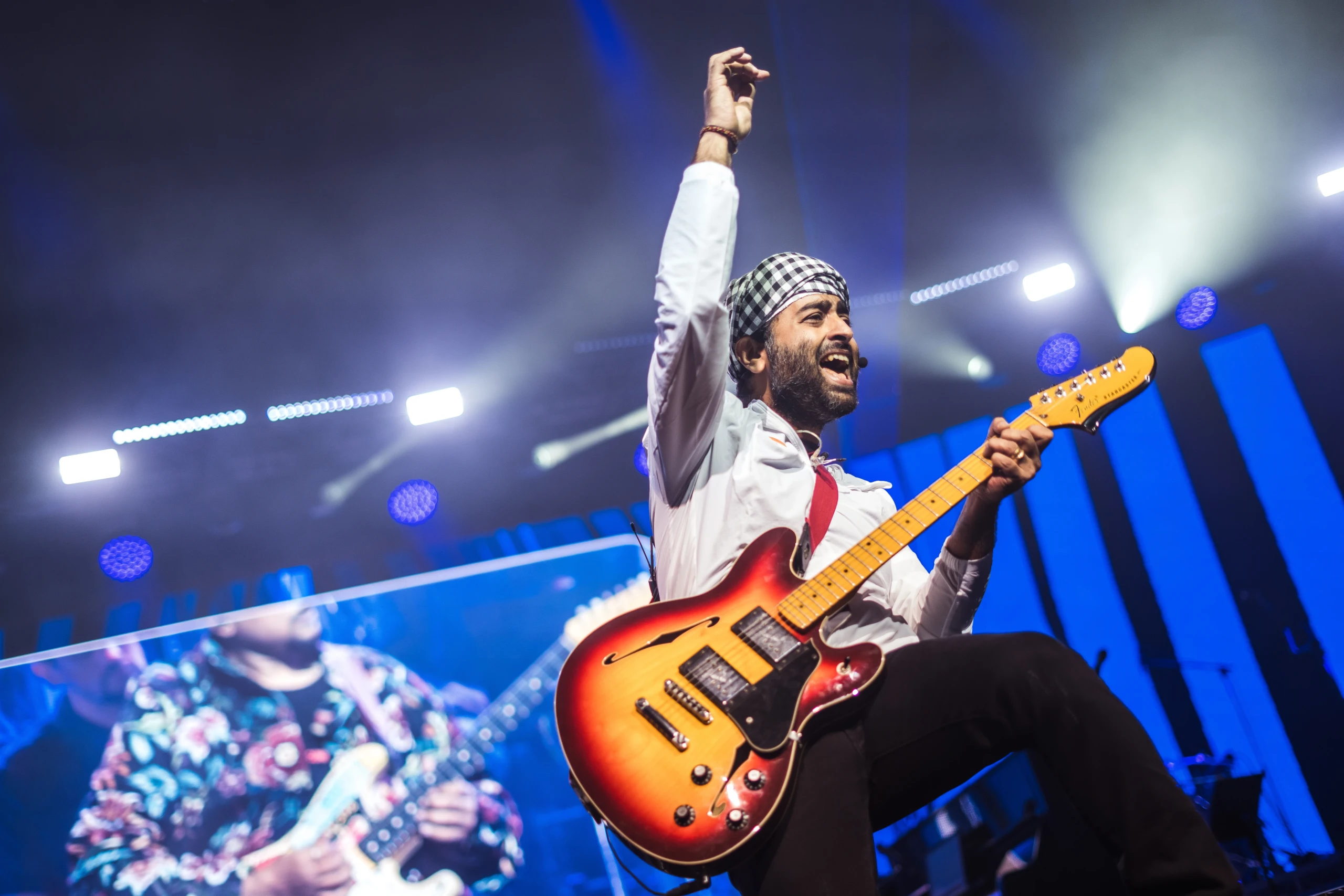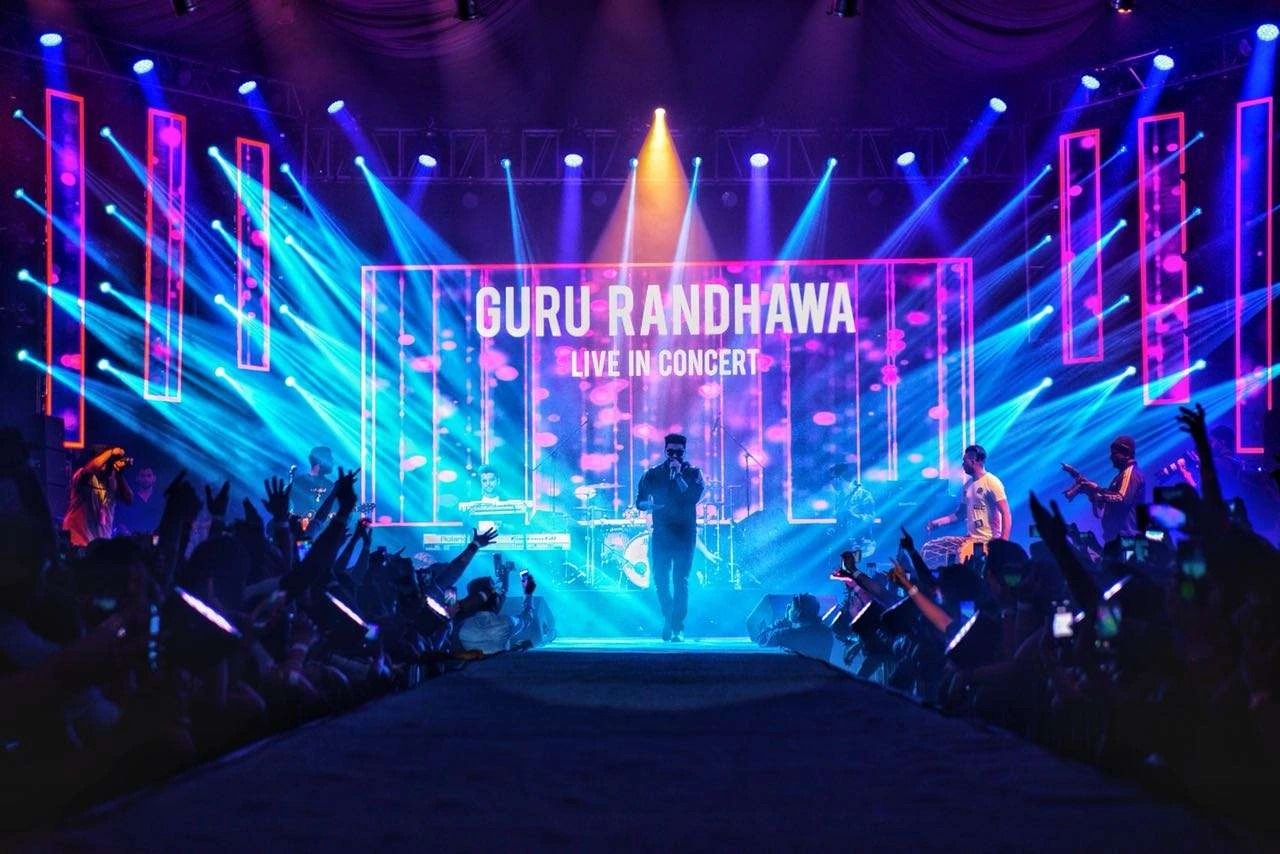
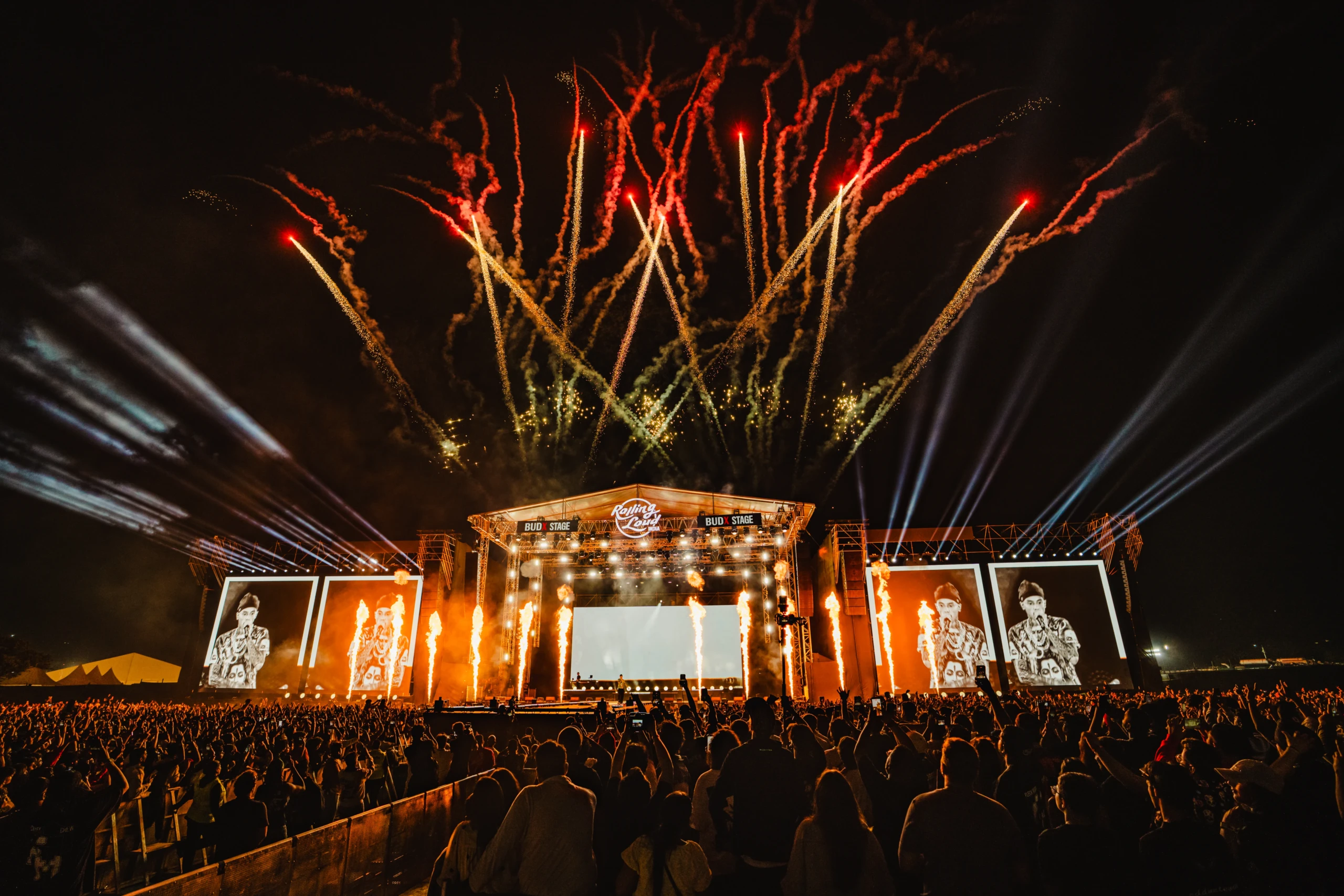
On a cool November evening in 2025, around 65,000 fans gathered at Loud Park in Navi Mumbai to attend the India debut of Rolling Loud, the world’s biggest hip-hop festival. The crowd erupted as Wiz Khalifa performed his major anthems Young, Wild & Free and Black and Yellow, while fans sang along to Canadian rapper Nav’s Lemonade. Karan Aujla became the first Indian artist to headline a Rolling Loud edition, bringing in the heat on the BUDX stage. India’s hip-hop had well and truly arrived.
This did not happen overnight, of course. India had been witnessing a phenomenal rise in the genre since the 2010s, fuelled by digital platforms and the success of mainstream Bollywood movies such as Gully Boy. Well before Budweiser helped bring Rolling Loud to India, it had spent several years supporting the country’s growing rap and hip-hop scene creating spaces for conversations, workshops and performances. The Indian edition of Rolling Loud was the icing on the cake.
The Indian music landscape has grown exponentially in recent years, with international artists and festivals eyeing the country as a key market. Festivals such as Lollapalooza, which made its India debut in 2023, have given Indian artists a global platform, putting them on the same stage as top international acts. Budweiser is not just the primary brand driver behind the festival but an active music curator. At the Mahalaxmi Racecourse in Mumbai, the brand made a resounding impact at the country’s debut edition of Lollapalooza with performances by Imagine Dragons, The Strokes, and Indian artists such as The Yellow Diary, The F16s and Aswekeepsearching on the BUDX stage. In 2024, the BUDX Uncovered artists featured Meba Ofilia and Ranj X Clifr on the main stage, giving emerging artists a platform – in a full-circle moment, Ranj X Clifr are on the lineup for Lollapalooza’s upcoming 2027 edition.
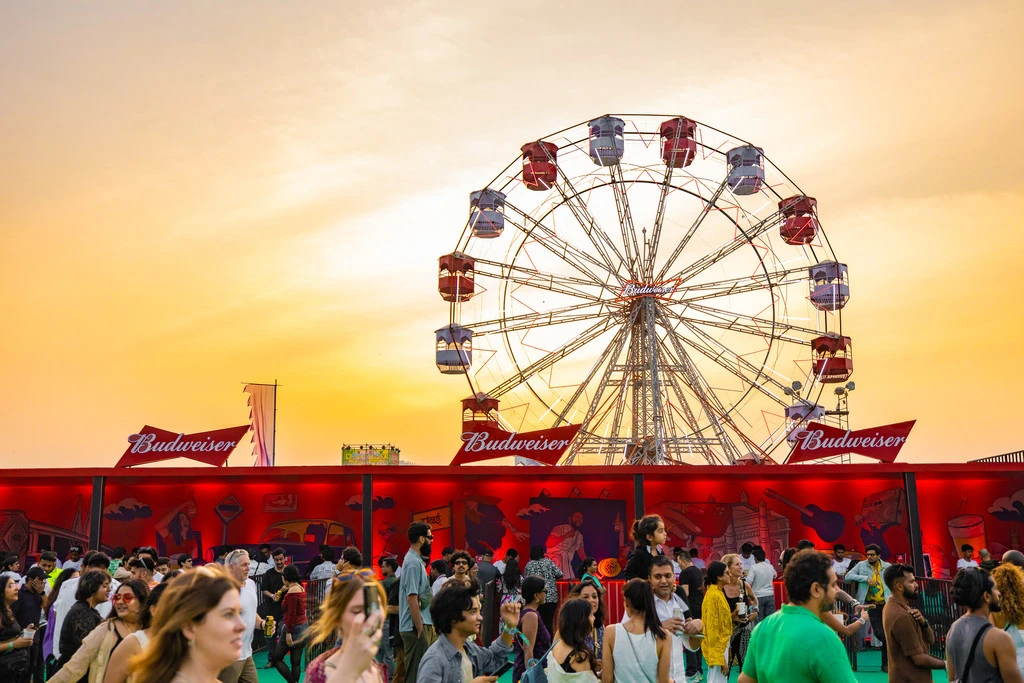
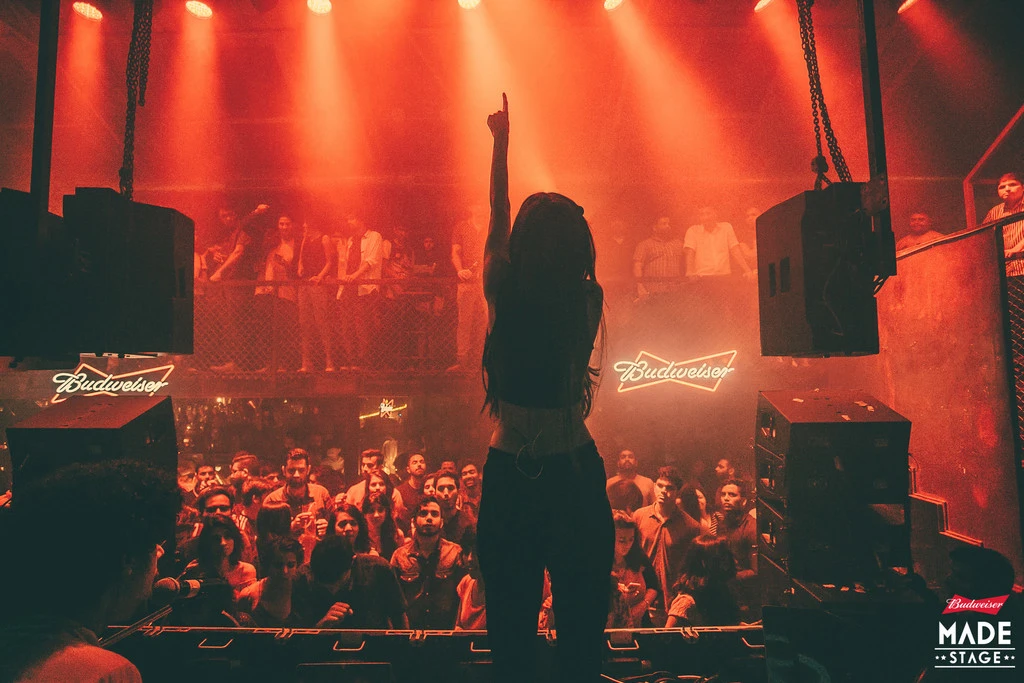
Over the last 20 years, India’s music scene has evolved from standalone concerts and underground gigs at pubs to a more cohesive, organised ecosystem driven by highly curated festivals and exciting collaborations between Indian and international artists. Budweiser has played a big role in this evolution. Back in 2014, for instance, a group of independent musicians took over stages in Mumbai, Bengaluru, Delhi and Goa to showcase their latest songs. They were joined by graffiti artists, sculptors, sound and light engineers and a seemingly disparate crew of creative people. The result was MADE Stage, one of Budweiser’s earliest platforms, offering a stellar audiovisual experience that seamlessly blended music, art, and technology. With performances by Peter Cat Recording Co, B.L.O.T, Teddy Boy Kill, and Nicholson, MADE Stage presented something beyond a typical brand-sponsored concert, setting the tone for experimentation and collaboration.
When electronic music was an emerging space in the country, in the early 2010s, artists like Nucleya, Sandunes and Arjun Vagale were drawing in music lovers with their experimental sound. While there was no dearth of talent, the infrastructure in terms of venues and platforms was limited, so artists mostly played gigs at pubs or one-off festivals. Budweiser backed the movement by creating bigger stages for artists and bringing some of the world’s most iconic festival experiences to Indian fans.
In 2016, the brand brought the international EDM festival Electric Daisy Carnival from Southern California to Noida’s Buddh Circuit. One of the world’s biggest electronic music festivals, it had already made waves in Mexico, the UK, Japan and Brazil with its unmatched production scale and artist line-ups. The Indian edition had Afrojack and Steve Aoki along with Indian acts such as Dualist Inquiry, Sickflip, Sartek and Nucleya.
The same year, Budweiser was also associated with the India debuts of highly successful international festivals such as Unite with Tomorrowland, a Belgium-based global satellite event series, and Sensation, a dance music festival from Amsterdam. Both these festivals held their first editions in Hyderabad. Local acts such as Anish Sood and Lost Stories played at both Electric Daisy Carnival and Unite with Tomorrowland.
Launching these festivals was a huge step, because they gave homegrown artists access to international production scales and a chance to share the stage with global stars. Most importantly, it allowed artists to connect with their fans in a much larger setting. This has, in a sense, been the core idea behind Budweiser’s involvement: putting both artists and the audiences at the heart of the music scene.
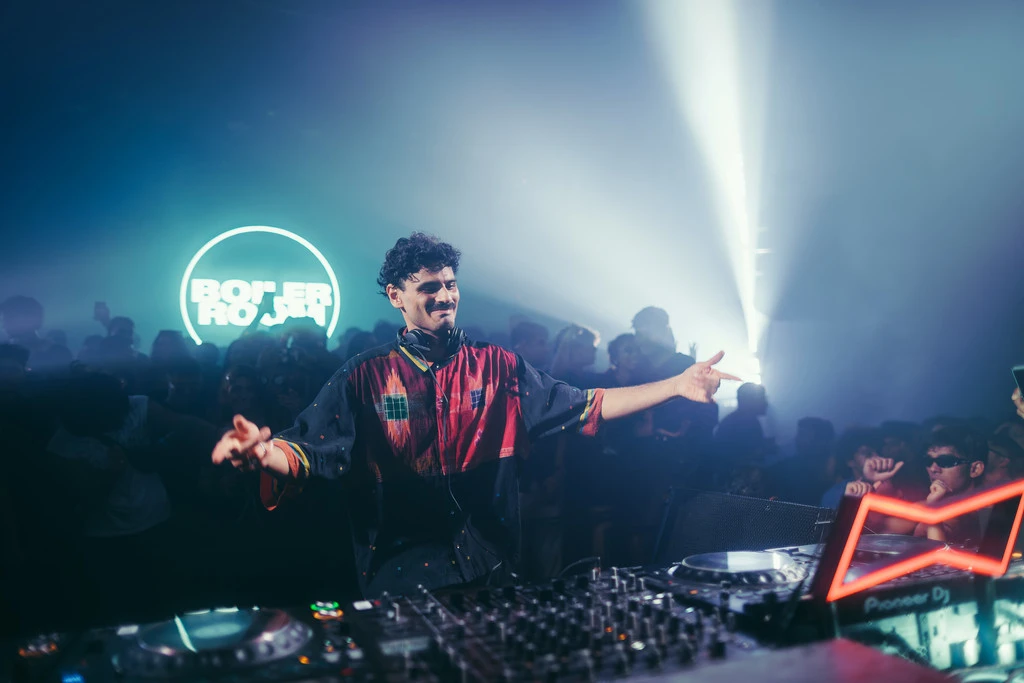
Away from large stadiums, EDM and techno continued to thrive in underground clubs across major Indian cities. Flipping the script on regular DJ nights, Budweiser gave Indian fans access to intimate and exclusive music experiences through its collaboration with London-based Boiler Room, an online music broadcaster. With a focus on underground dance music, the Boiler Room series followed a format that was unheard of in India at the time. It placed the DJ at the centre of all the action, surrounded by a small, energetic crowd that danced alongside the artist, creating a raw, informal, underground club-like atmosphere.
As the music scene grew, there was a need for more interaction among artists, audiences and industry, beyond what a conventional concert stage could accommodate. With the rise of social media, and global exposure, there were more opportunities than ever for meaningful collaborations.
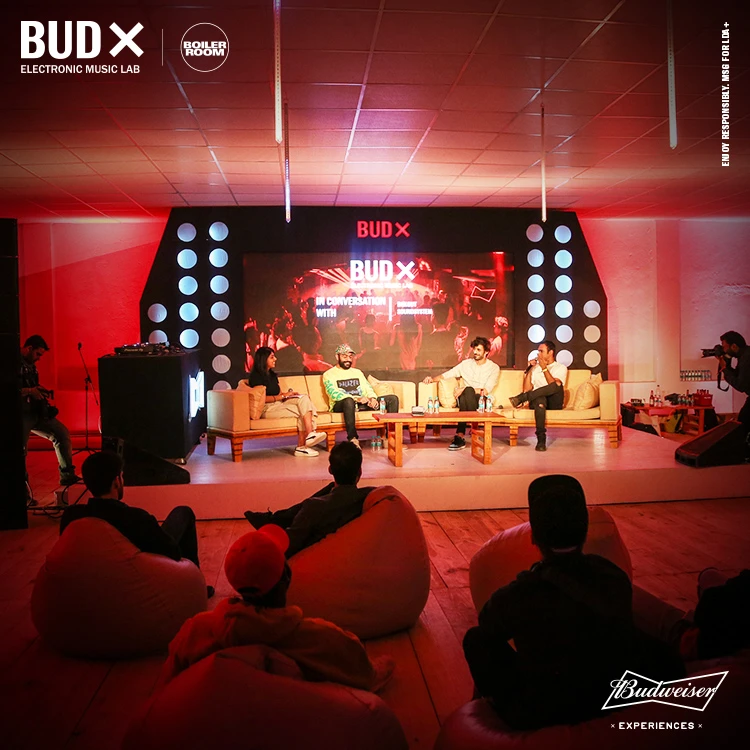
The same belief in bringing people together through music led to the creation of the BUDX event that debuted in India – and the world – in December 2017 in New Delhi. The three-day event was designed to bring fans and artists closer and deepen the understanding of the electronic music space. The panels broke down each aspect of the scene, from artist discovery to the role of media, and the performances by both Indian and international acts were a treat for the fans. Featured sets by Dillinja, Sid Vashi, Zokhuma and Kini Rao gave the audience a chance to discover newer artists as well. The 2019 edition in Mumbai expanded from electronic and EDM to include hip-hop as well, featuring DIVINE, Lifafa and Seedhe Maut.
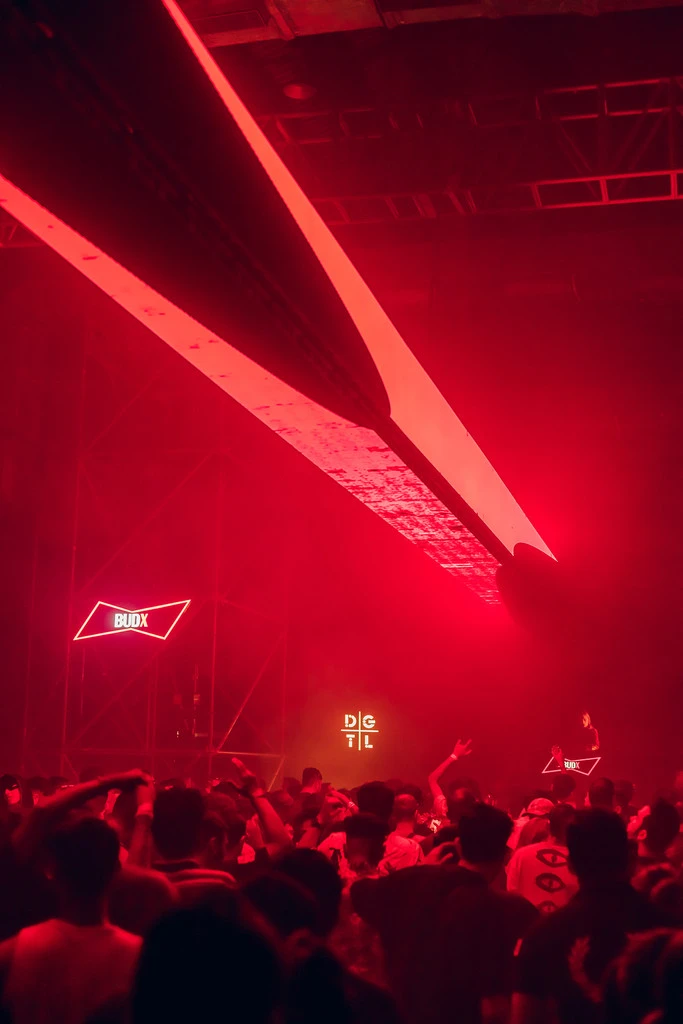
Continuing its trend of launching global events in India, Budweiser was behind the Dutch house-and-techno festival DGTL’s first Indian edition in Bengaluru in January 2020. The roster of local artists included Kohra, Likwid, Praveen Achary and SEQU3L. Things were looking bright for the music industry, indeed.
India’s music landscape today looks vastly different from what it did 20 years ago. It is more diverse, vibrant and ambitious, with enough space for all genres and platforms to co-exist and thrive. The annual festival calendar is packed with an eclectic range of events, boasting homegrown talent and international acts. None of this happened in isolation. Brands like Budweiser shaped the scene by championing independent artists, creating new platforms and bringing home thoughtfully curated global experiences that connect artists directly with their fans.
The stage is now set to build the next generation of talent – and this time, Budweiser is joining hands with Billboard India. Through the Hip-Hop month and Rolling Loud’s 2026 edition, this collaboration will shine a spotlight on India’s emerging artists, continuing Budweiser’s journey in shaping what’s next in the Indian music scene.
This story is partner content.