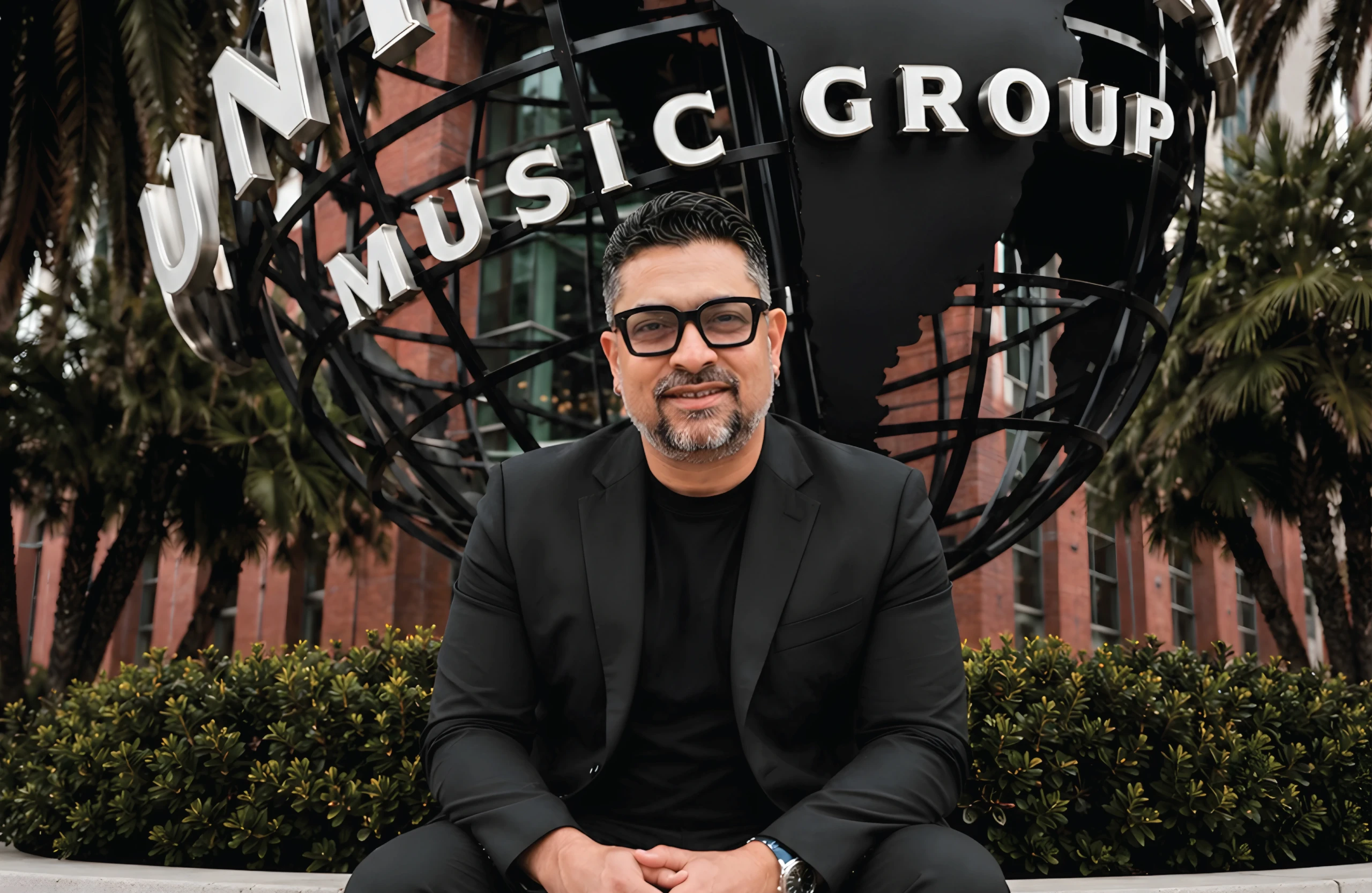
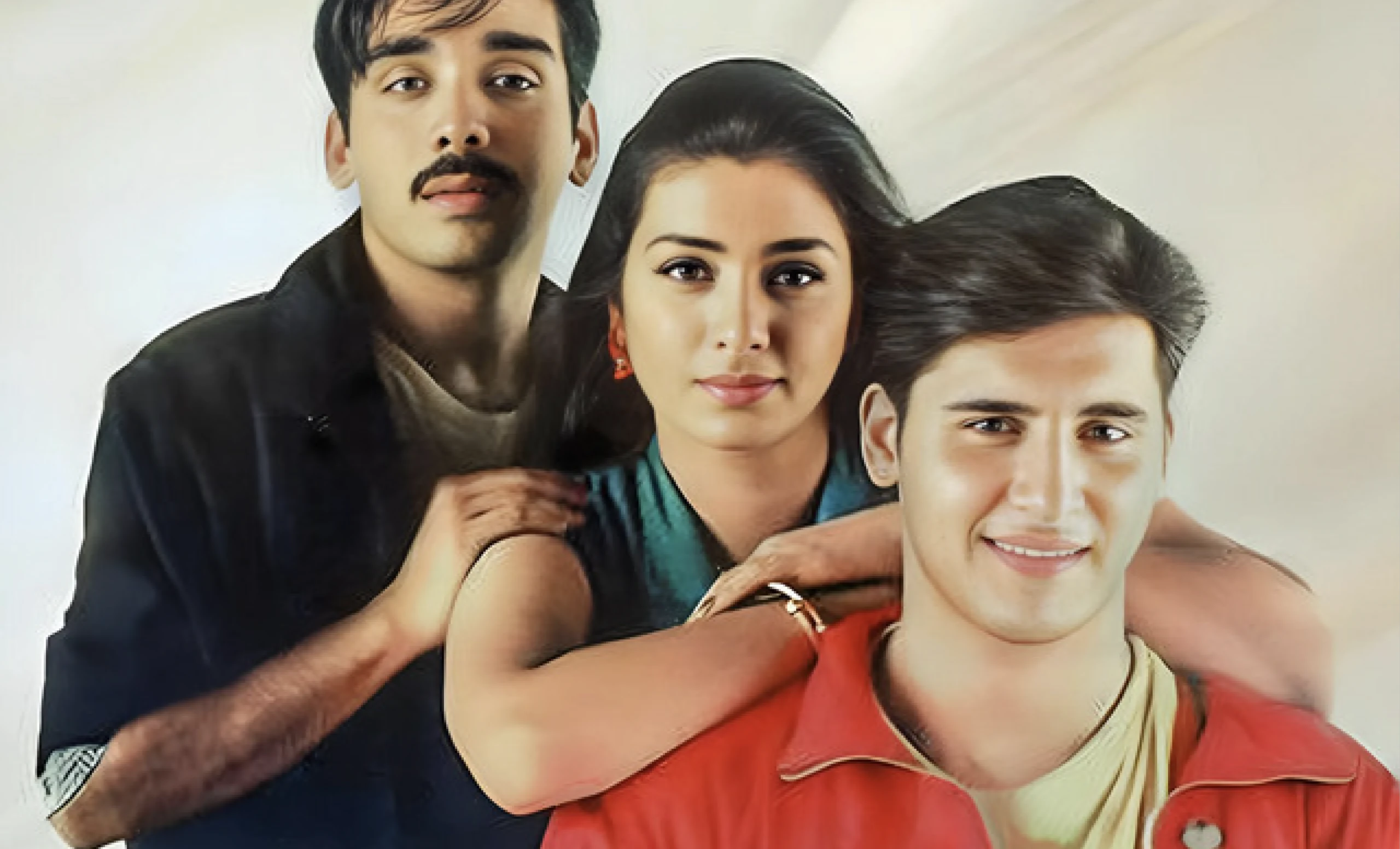
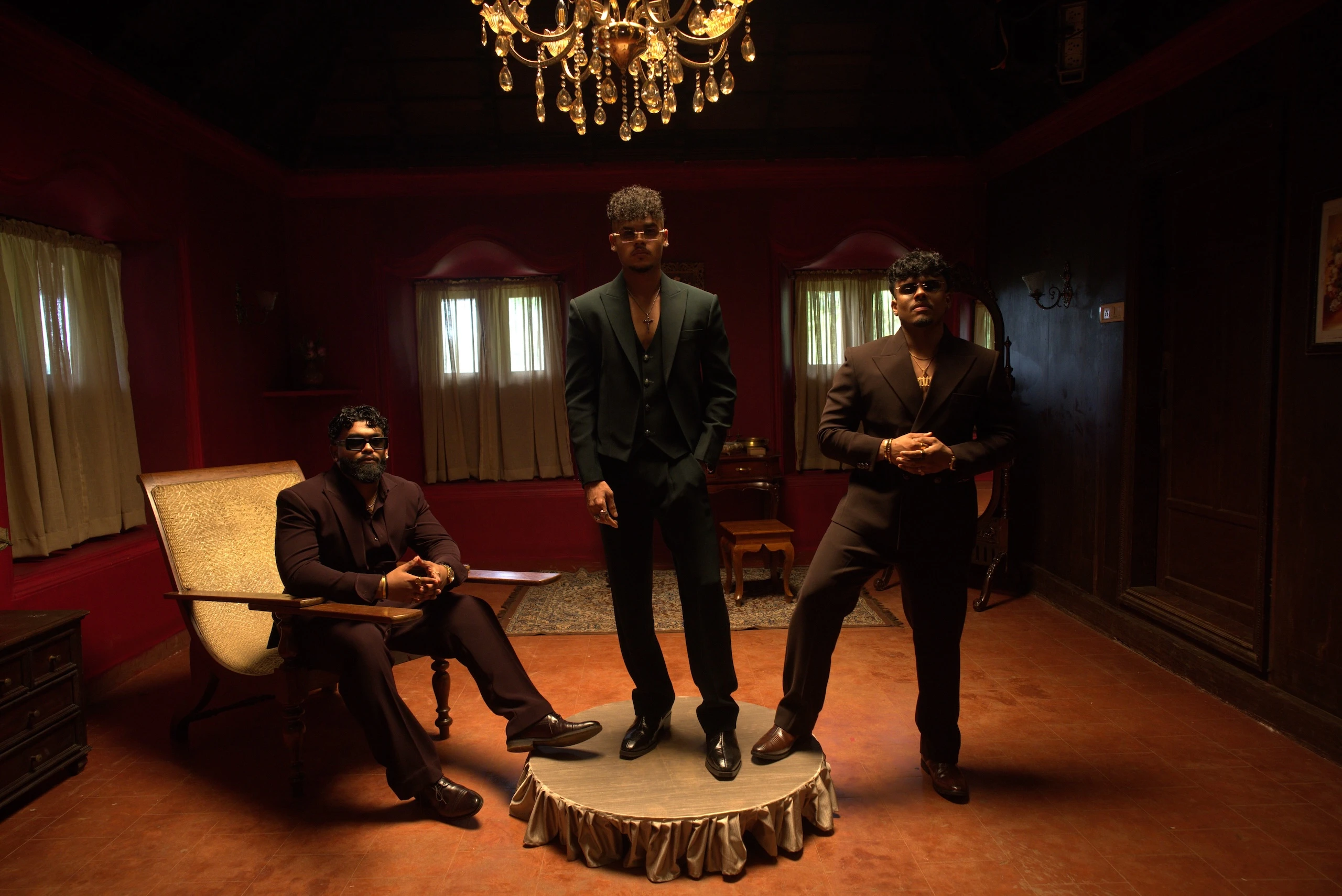
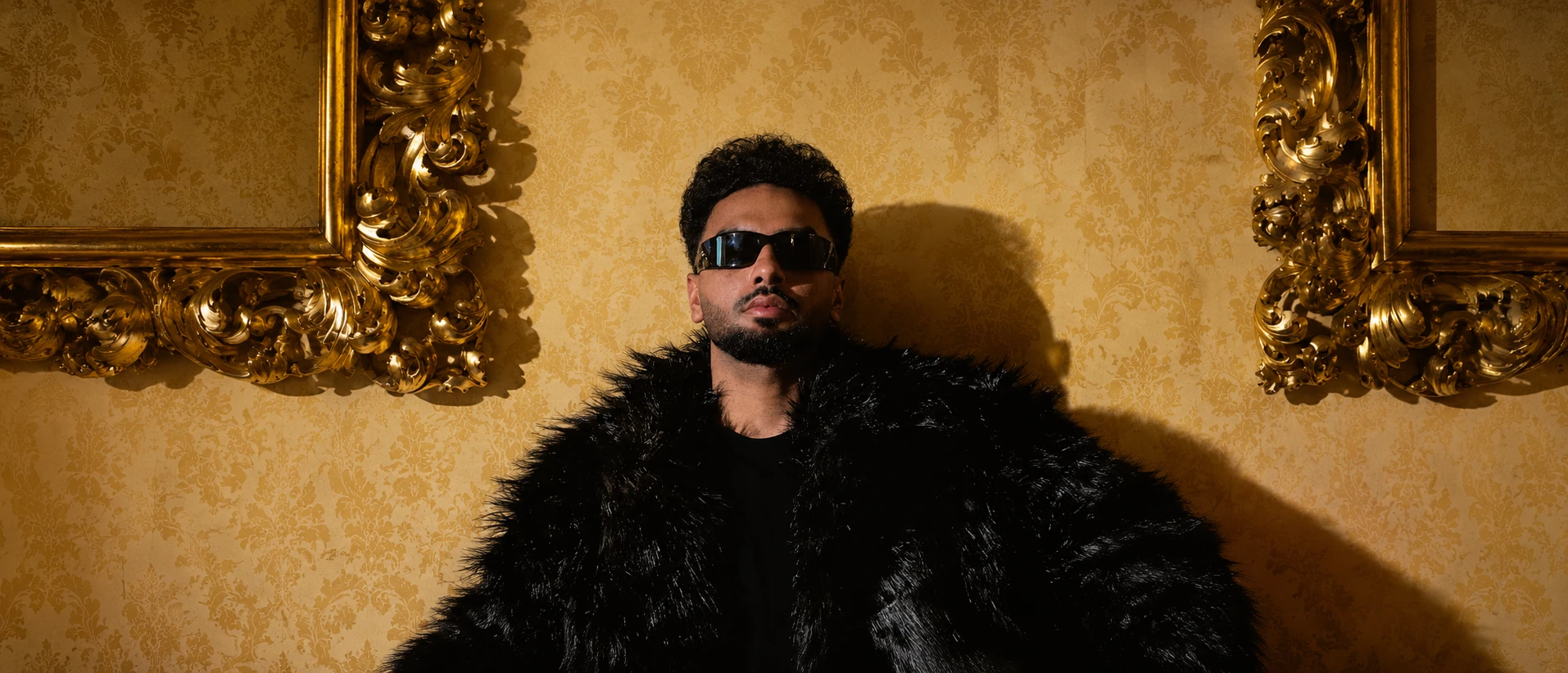
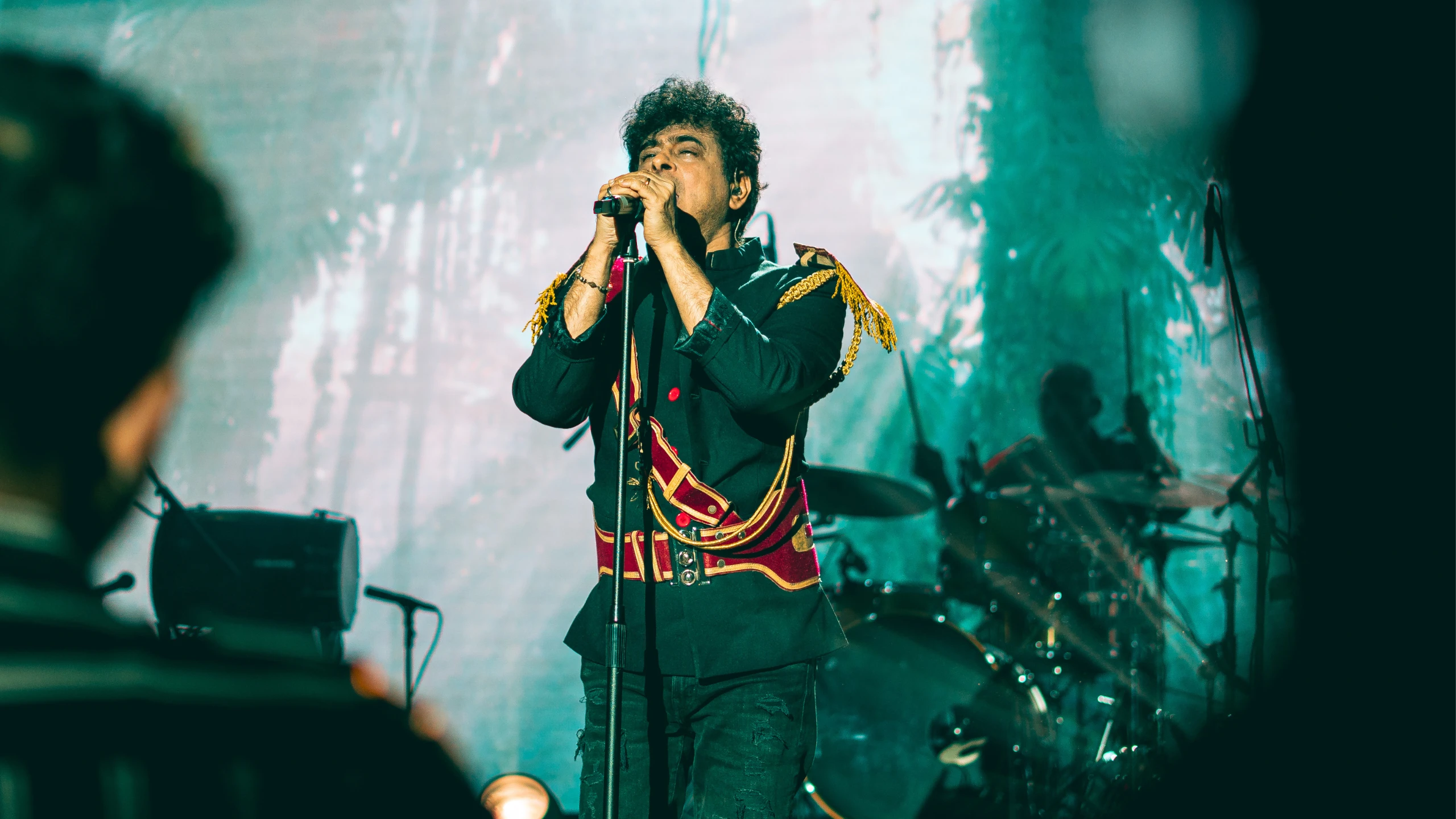
The band Euphoria has played a significant role in the Indian millennial’s memory – with songs like “Maaeri”, “Dhoom Pichuk”, and “Aana Meri Gully” continuing to rack up views on YouTube. Their musical journey started in 1998, and the band (helmed by Palash Sen), released their ninth studio album Dhoomsday in August 2026.
“If you look around yourself, the whole world is looking at doom, whether it is wars or protests or dissatisfaction or anger or frustration or misogyny… whatever you look at, everybody is looking at doom. We have been around for 27-28 years, hum abhi bhi dhoom macha rahe hai. We’re looking at dhoom and not at doom,” said Sen on the new album in an interview with Billboard India.
He spoke about what it means to be an Indie artist in India, working without labels, Euphoria’s journey, and why he believes the band was a pioneer in the Indian music industry.
You’ve described your journey as someone who’s independent and works without labels. Why has that been so important to you?
When we started, we worked with three companies and I had bad experiences with everybody, even though we had the biggest songs with them. And then I got into a legal hassle with one company. And then I just decided, it’s better to do your own music your way and not be listening to orders or not listening to the regulations that all companies put.
And plus, most importantly, I realised I was not making any money from my music, which I’m still not. But at that time I thought at least the rights should be ours. When I signed in 1998 with the first company, I had to give up all my rights.
I really believe that music, like everything else in life, should be free, it should be independent.
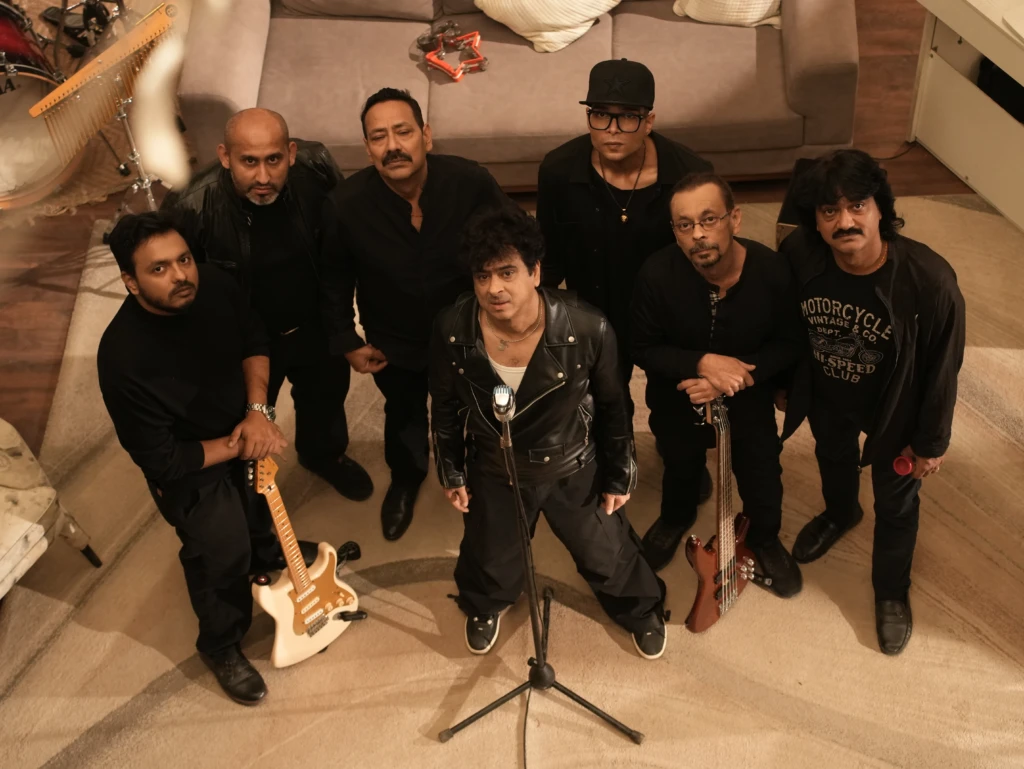
When you create music, is that financially backed by you?
Yes, completely. So here’s my funda in life, and I wish all my fellow musicians thought the same way. Whatever money I’ve earned from my music, I put it back into the music. I put it into the videos, I put it into the recordings, mixing, mastering, whatever we do… we have our own studio in Delhi now. All the equipment in the studio, we have bought it ourselves.
It’s just very unfortunate that in this country, a person who works as hard as I do and a band that is as honest and upright as we are, we don’t get the support of the so-called industry. But yes, we have the support of the people, which is why we’ve been able to make all this money to do whatever we do. People have never let Euphoria down when it came to the live concert scene.
We’ve always been touring and singing and doing concerts because people have not let us down. But it’s just sad that the entire industry doesn’t really back this kind of music or a band that wants to work independently. I guess they have their own limitations and so do I.
Why is it important for people to know that you’re doing this by yourself?
Because people don’t know. That’s the saddest part. People don’t know. Sabko lagta hai ke yeh apne aap ho jaata hai. Nothing happens on its own. There’s a lot of effort that goes in. There’s a lot of money that goes in. There’s a lot of heartbreak and blood, sweat and tears.
People equate all music to film music, where there’s an actor, a film, a director, a composer, a writer, and then there’s a singer. People have forgotten that there is an independent format where usually, I would not say everybody, but usually the person singing is the one composing, is the one writing, is the one acting, which is the way it should be.
People don’t understand that there’s a lot of hard work that goes on. Forget about the people. I don’t think the government also understands that the independent music industry is a very lonely road. And what I’m showing in “Koi Naa”, the support is very, very little.
From where you started to now, the needle of what it means to be an Indie independent artist has also shifted. What is your definition of an Indie artist?
For me, an Indie artist is somebody who does everything on his own. Of course, he would love to have a distribution system which will distribute his music. He retains his rights, he retains his IP, and he also gets the right royalties and monies from the system.
I would definitely say the system is way more organised now. Kudos to everybody who’s come in and actually made the system a little more Americanised. We were dependent on the Indian way, and it was always haywire. Now definitely the system is much better, and an Indie artist can do all these things.
What has happened is that now most of the labels want to be the Indie guys also. We will do films also, now we will do Indie music also. Basically, we want to have a finger into every pie. And then what happens is they have their own logistics and monies and how it is done, and then they have their favourites. I understand how that also works, it is a business and somebody has to do the business.
But an Indie artist is one who actually walks the path alone and then people listen to him. Yes, the thing that most of the Indie artists in this country lack is money. If we had the kind of money muscle the labels have and the films have, I think the situation would have been way, way different.
Of course, all over the world there are labels picking up Indie artists, but those Indie artists have much more freedom than we have in India.
You said the India way, what does that mean?
Jhol-way. [laughs] That’s the only way, that’s the only word.
All these things were spoken about by the government, rightful royalty should be given and rights should be given. I think it was a few years back that all this came about. What about all the years before that?
We are a 28-year-old band, and I have never earned a rupee from “Maaeri” or “Dhoom Pichuck” or “Aana Meri Gully”, how is it possible? Obviously one thing they say is I gave up all my rights. But, I didn’t give up my rights to earn.
I’m now trying to make amends. Maybe I was wrong, maybe I did it wrongly. Now the amends is that we will retain all rights. We have already acquired the rights of our first two albums, Dhoom and Phir Dhoom, which we are re-recording and re-releasing soon after Dhoomsday.
Indie music earlier meant not being attached with a label and now it’s non-film. So do you think the definition of Indie music in India has also changed?
Yeah, of course, because as you correctly said, it’s actually film and non-film.
It’s a very fashionable word, Indie music. I don’t think the average guy would know that Indie actually means independent. The problem is that this is not a musically awakened country. We are not. We are just a country that wants to get up every day and go to school and study, get a job, get married, have kids and be happy with tea in the evening and a drink at night. This is the country. It’s a fact.
There are countries just so musically aware that they will be going to a concert literally every evening. We are not. Definitely, the newer generation is waking up more to go and watch concerts and to hear music. If you see right now, there are so many concerts happening in India because suddenly one generation has woken up.
But we are living through years.
Forget about pop music, forget about independent music. We don’t even listen to our own classical music. We don’t even listen to our own folk music. We don’t even listen to whatever music there was in this country, whether it is Qawwali or Ghazal or Thumri.
Kudos to the film industry, at least they have made some kind of music that reached everybody.
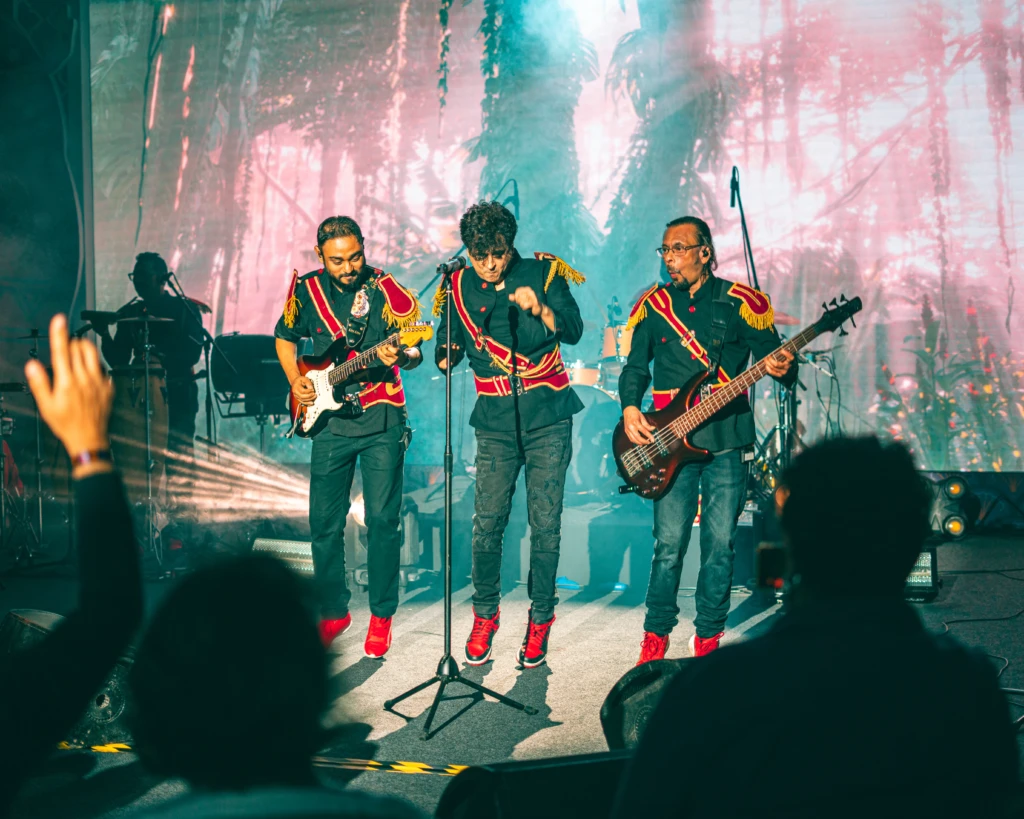
You’ve been touring for years, and you’ve also cultivated a certain kind of aesthetic when you tour. Why did you want it to be that way?
I think in ‘98, when we came in, we were the first guys to do it on a national level. The first band that came in was Euphoria. And I think every artist in this country should give us some kind of credit. Because right now, every artist in this country is touring with a band. And I would say a Western band, not an Indian band. Keyboards, drums, bass, guitars. So that started off in ‘98.
All over the world, that’s the way concerts used to be. We were just taking a leaf out of their book, and Indianising it and bringing it to the people in India. Whatever we did, it must have worked. People have followed the same mantra that we started with.
Bands used to be treated so badly. They would be put up in shabby hotels, asked to travel in buses and trains. The full band would get one vehicle to just put everything into it and go from show to show. But with Euphoria, it all changed.
The band is not only about one person. It’s about all the individuals who play. Everybody should be respected. That is a band culture that I was trying to bring with me. Unfortunately, it hasn’t happened completely. But definitely, it is way better than what it was 25-26 years ago.
At the same time, I’ve also seen the productions have gone up so much. We were the first guys who started concentrating on the production, on the lights, on the sound, which is why maybe we lasted 28 years. Everybody knew that going to a Euphoria concert was not just an audio concert.