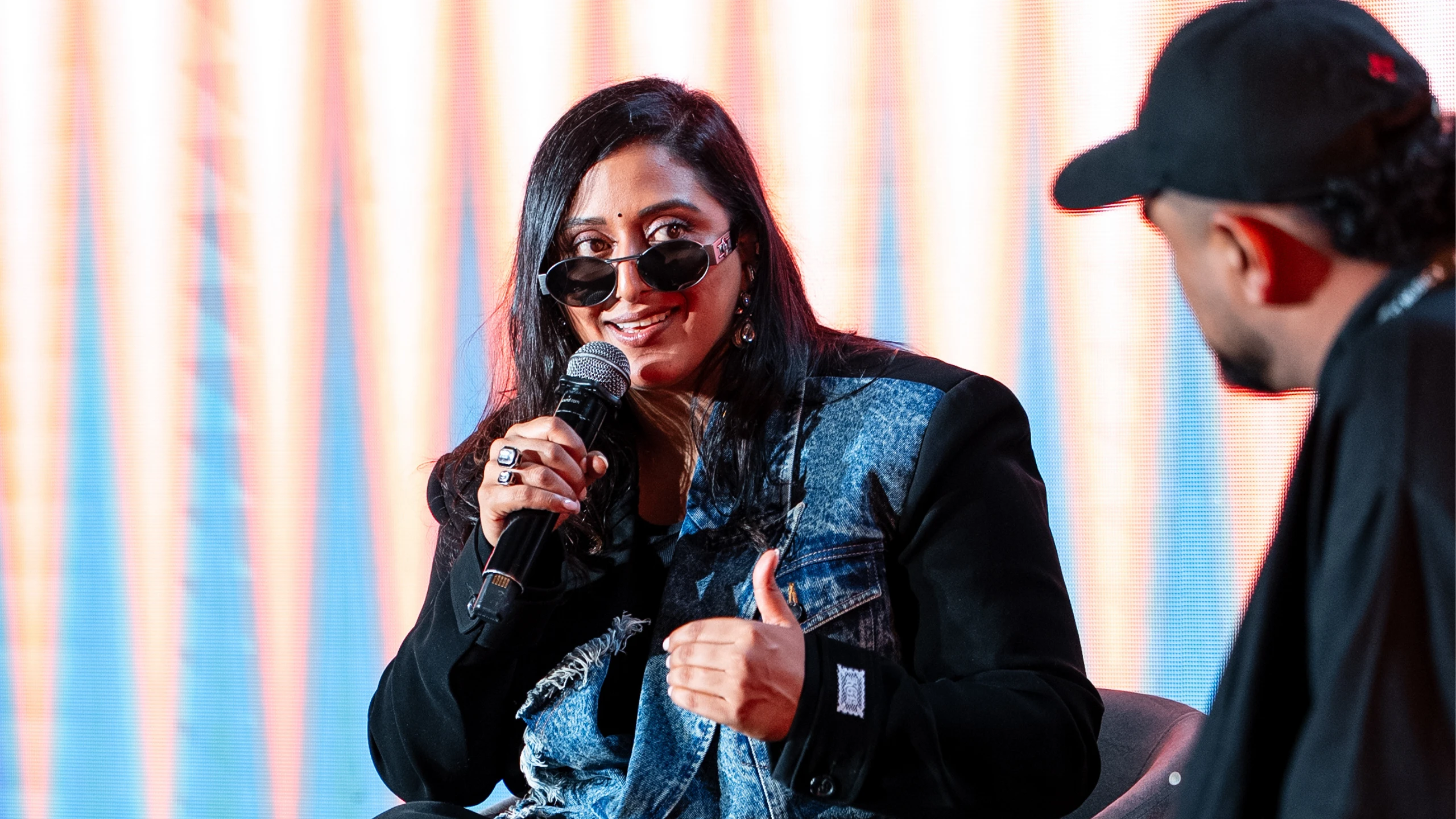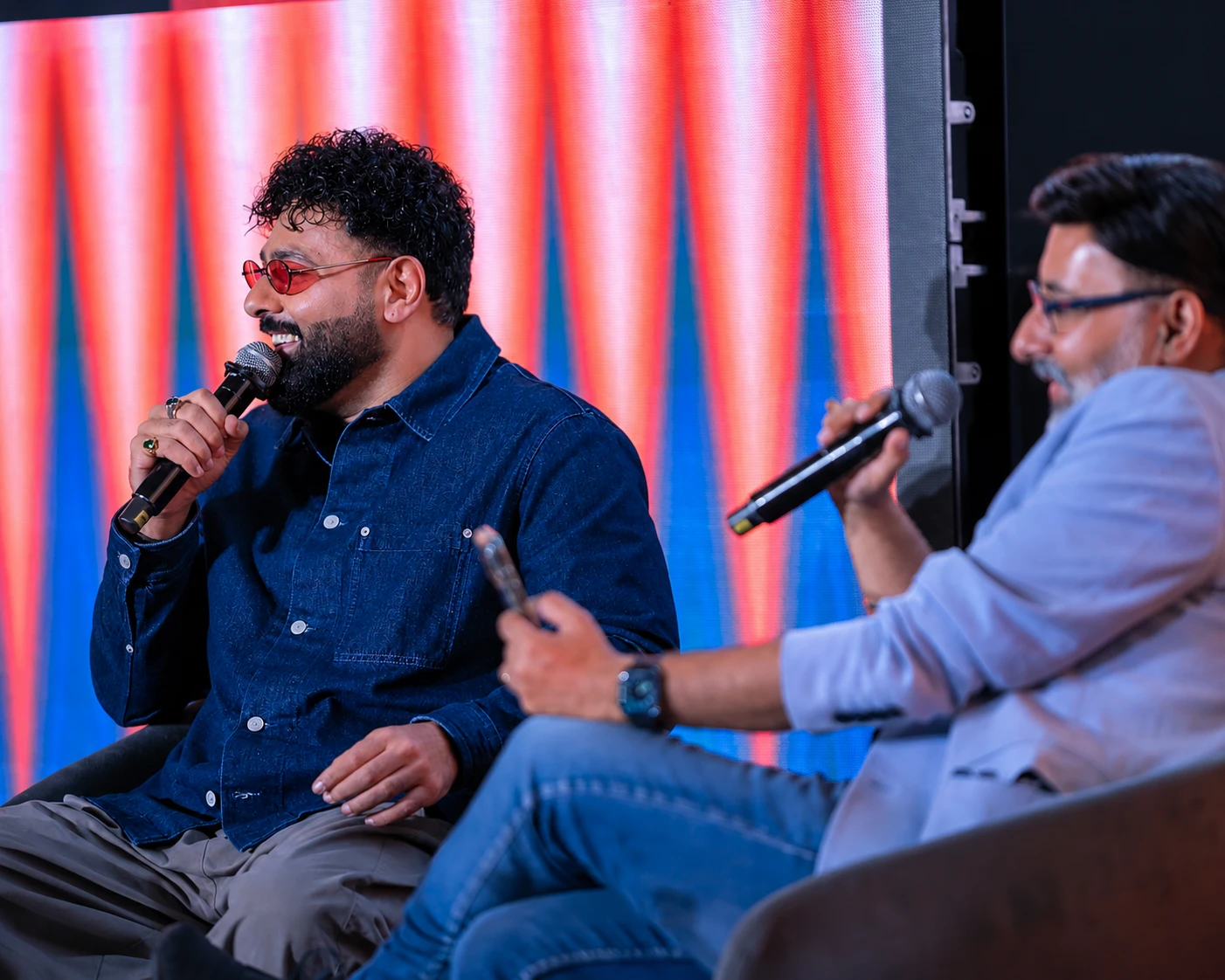


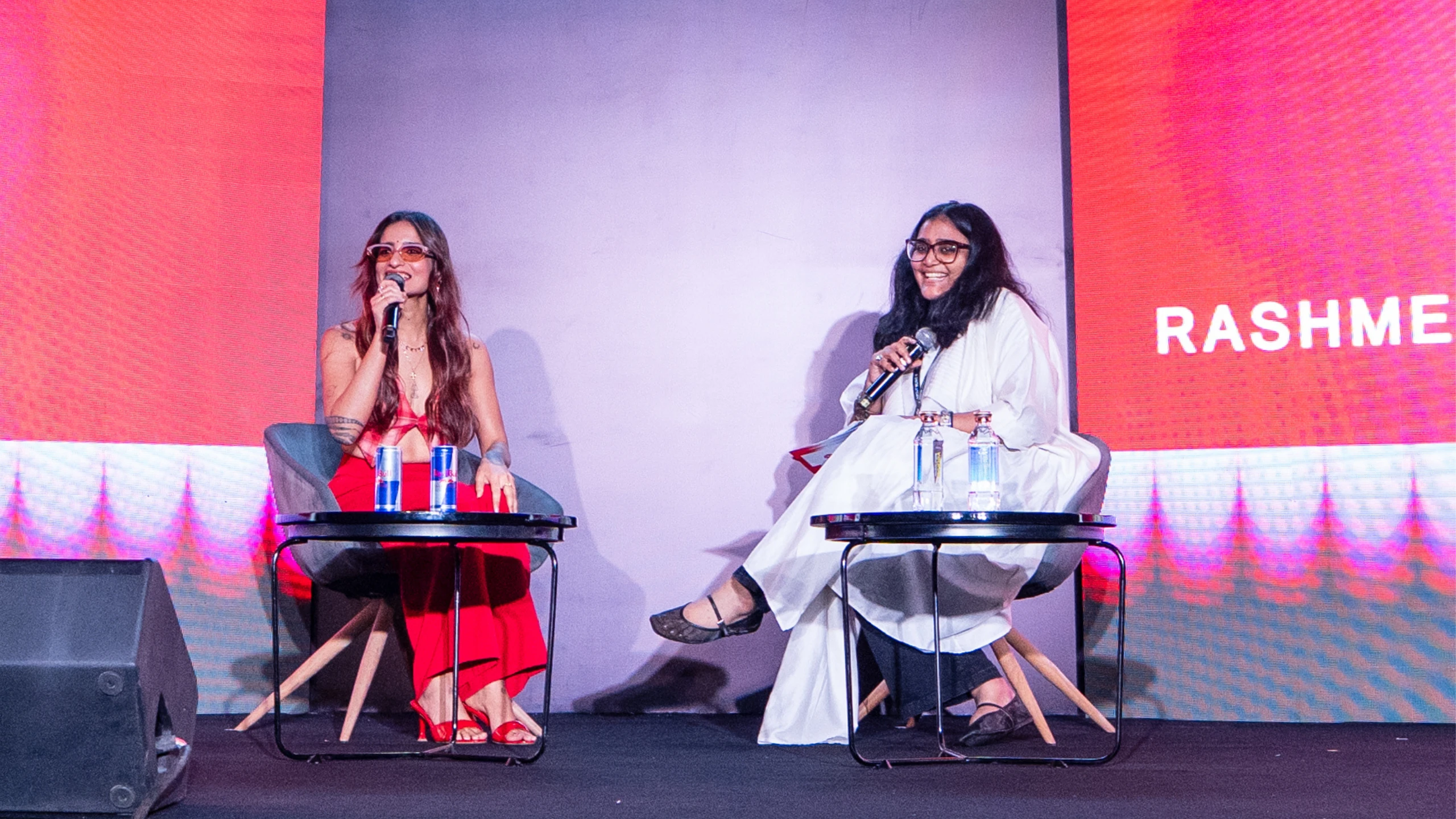
Day 2 at All About Music X was about unravelling the technicalities of song creation. From all the details on publishing and licensing with industry stalwarts, to Priyanka Khimani’s session on the legalities, there was much to be uncovered. Data, analytics and insights company Luminate unveiled their report on the Indian music industry. Conversations with artists Rashmeet Kaur and Colonial Cousins (Hariharan and Leslie Lewis) also turned into impromptu performances. Billboard India was there in the room to get the roundup for the day.
Where is India’s music industry headed? A data-driven take
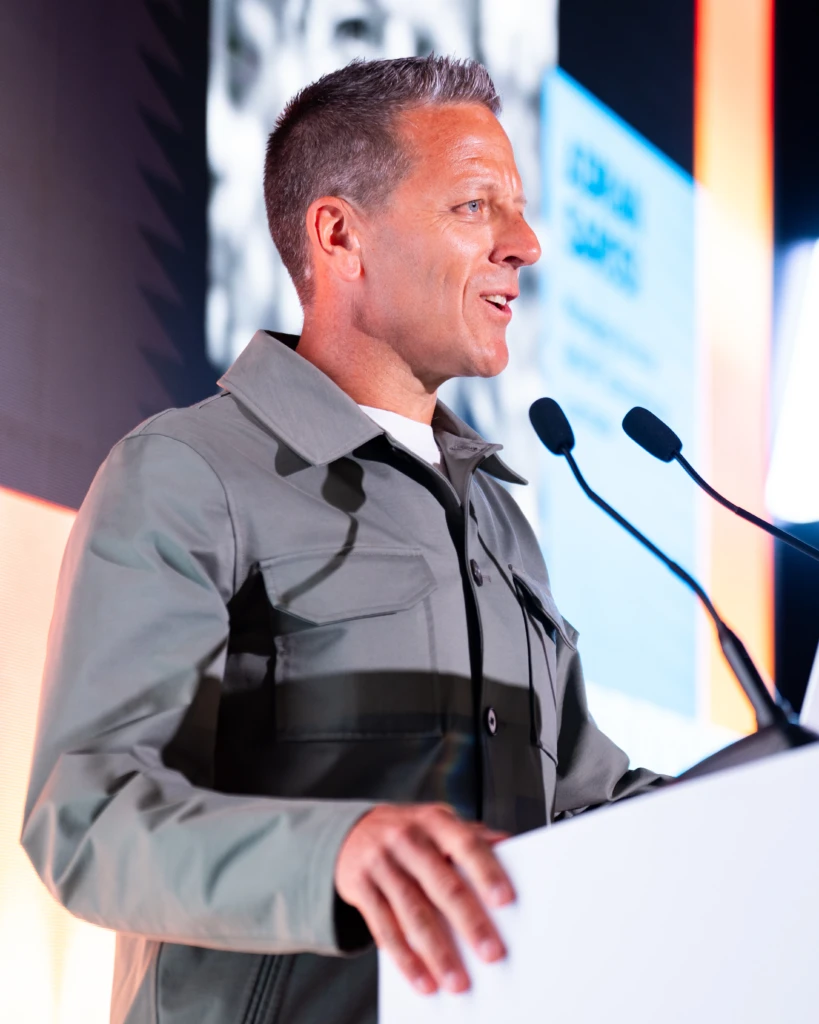
Adrian Sarosi, GM / VP International, Luminate, kicked off the day with an immersive session on consumption trends in the Indian music industry. He touched upon the kind of music India is listening to, across genders and demographic, as well as how much of music is India exporting and importing.
While India is “rock-bottom of the regional index when looking at the premium sharing market, the potential for growth is phenomenal,” stated Sarosi. Interestingly, the data showed “two thirds of festival goers who are currently free streamers are looking to become paid subscribers in the next six months.” Additionally, the data also supplemented Vikram Mehra’s take from Day 1: the Indian customer is a discerning one, and it is more than just the price that will make them subscribe, with factors like ease of use and high quality streaming audio being more important.
An exciting takeaway: Based on Luminate’s caveats and data analysis, Sarosi pinpointed the three emerging Indian regional artists that are breaking through charts – Reble, Kiran Bajwa and Kunwarr.
Breaking down the legalities in music creation
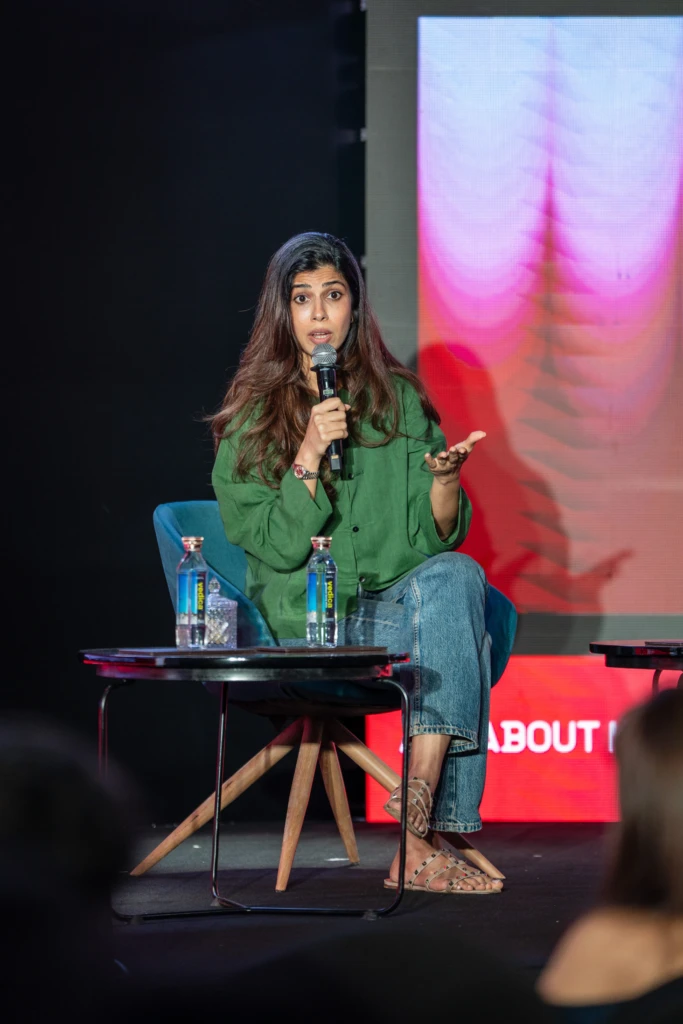
“Don’t mix credit with what legal roles look like,” said Priyanka Khimani, founder of Khimani & Associates, Women of Music India, in her Ask Me Anything session. She doled out advice on what are the basics one must get right for credits, rights and attribution, explaining the importance of prioritising paperwork.
When asked about what kind of budget one must set aside, her stance was simple: it is for the artist to know how much is at stake. But they need not add to their task where not necessary. For instance, “Copyright registration in India is not compulsory. It may not be the case in some other jurisdictions. Copyright will exist as soon as you’ve created something. You don’t even need to publish your works for it to have copyright. Today, if you’ve written lyrics and just saved it on your phone and your notes app, that is enough.”
While answering questions on the systemic problem in the music industry of not signing contracts or involving lawyers, she urged artists to find creative solutions to protect their rights, and make it a “standard practice to have paperwork with all collaborators.”
Comfort kills creativity: Rashmeet Kaur
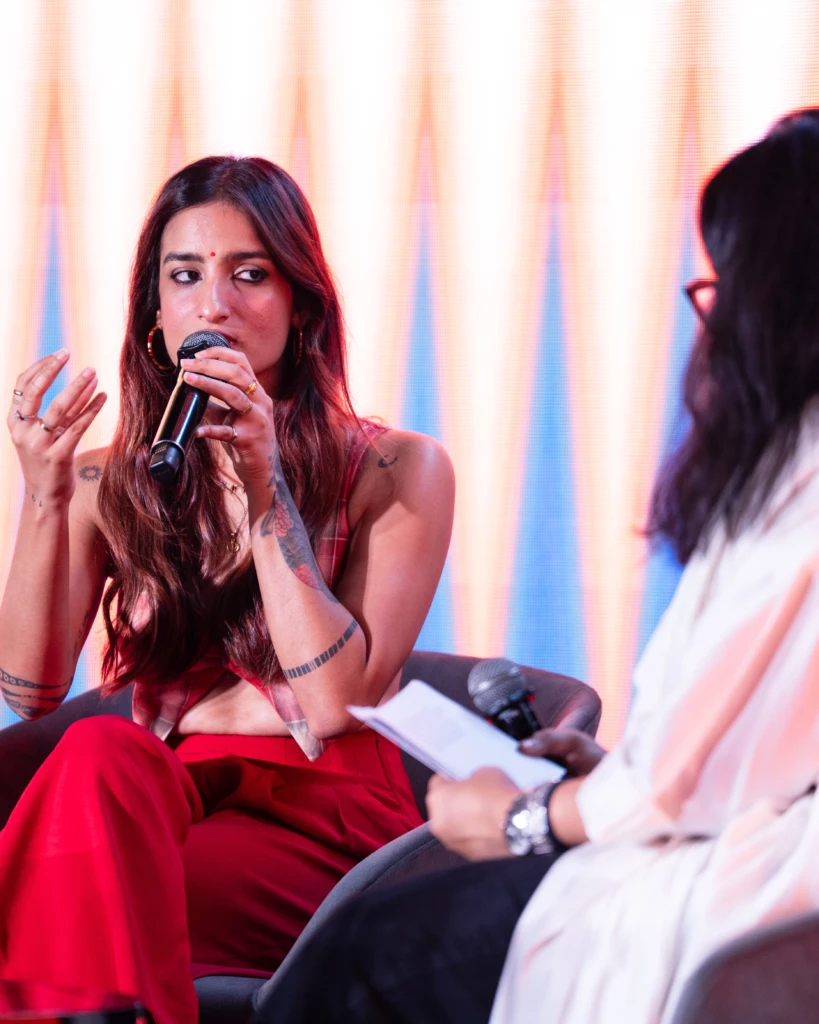
Fresh off the launch of her new album Parinda, Punjabi singer-songwriter Rashmeet Kaur was in a very insightful conversation with Deepti Jasti, Head of Music and Podcasts Content Strategy, APAC & MENA, YouTube. Diving into her myriad musical influences (from Asha Bhosle to Doja Cat), her folk and classical music training, and how she strives for authenticity in an evolving world, she also sang a few lines from “Ve Sajjna” as a treat for the audience.
She walked the audience through her creative process. For her, the motive is not to make a song sound “modern”, rather to “present it in a new context.” And this continues through her live performances, which for her is essential to connect to her audience. With Kauraverse, she intends to build on collaborations with artists, and the live experiences both. Always on the lookout for what’s next, the “Faqeeran” singer acknowledged that art for her is about taking risks and challenging herself. More importantly, it is outside the comfort zone. “Comfort kills your creativity,” she highlights.
As part of a changing world, she acknowledged the role of AI as a tool – but that’s it. Echoing the sentiment of other creators, she ended with, “Technology is to serve your story not to become one. The human experience is irreplaceable.”
Untangling Indian music’s publishing and licensing threads
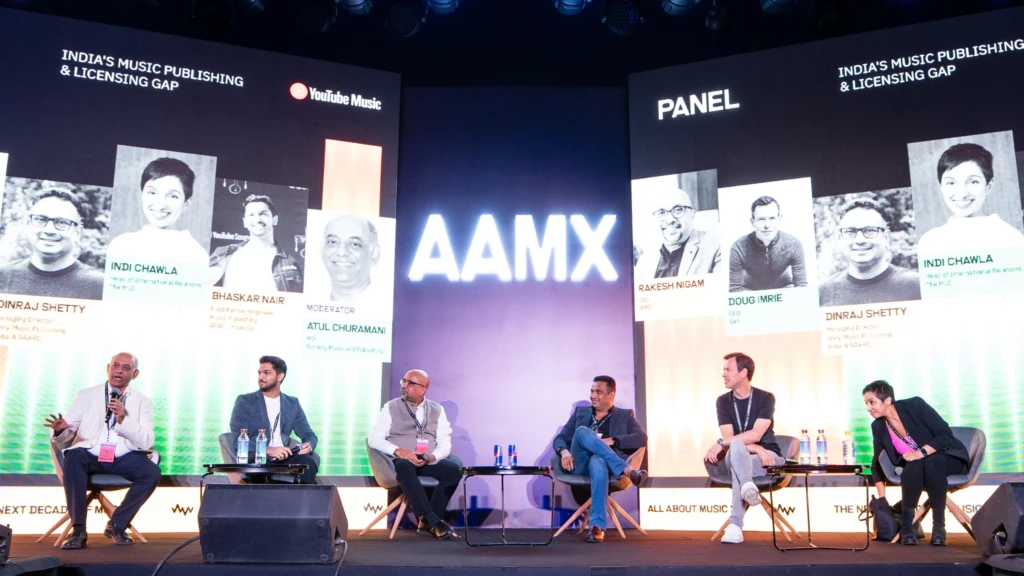
Industry stalwarts Rakesh Nigam (CEO, IPRS), Doug Imrie (CEO, Salt), Dinraj Shetty (Managing Director, Sony Music Publishing India & SAARC), Indi Chawla (Head of International Relations, The MLC), and Bhaskar Nair (Field Partner Engineer, Music Publishing, APAC, Youtube) took a masterclass on publishing and licensing music in India, moderated by Atul Churamani (Managing Director, Turnkey Music & Publishing). What does it take to do so, what are the caveats and what young artists must keep in mind. The answer lies in the metadata.
As Shetty puts it, “A three-minute music song is a bundle of rights… if publishing is the recipe, then the sound recording is the finished dish.” And this incredibly complex ecosystem is built on layers of data. Through the session, all the technicalities of registering a song in order to get the correct payout were addressed. “The complexity lies not just in collecting and distributing money, but also in the registration of the song. For an artist, the most important yet basic thing is to fill in metadata to get the copyright right,” he adds.
A walk down memory lane with the Colonial Cousins
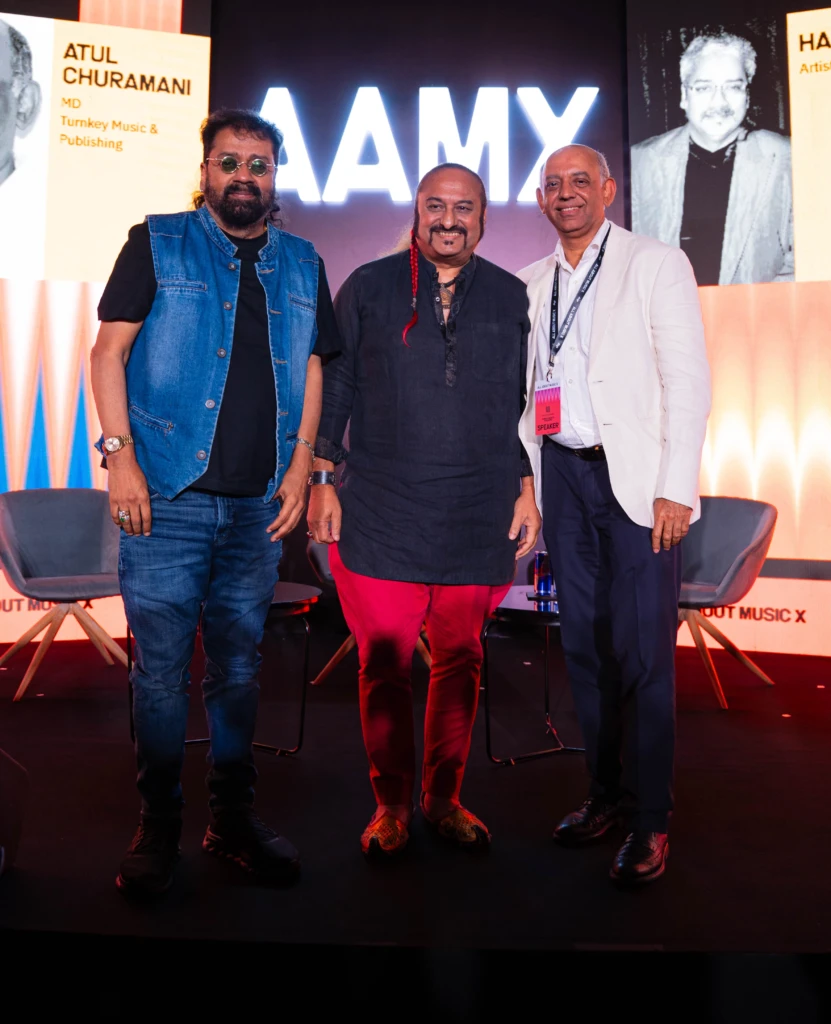
Hariharan and Leslie Lewis aka The Colonial Cousins took a walk down memory lane with Atul Churamani (Managing Director, Turnkey Music & Publishing). From the story behind the name, the recording of their first album in London, how “Sa Ni Dha Pa” came to be, and how they managed to be the first Indian artists on MTV Unplugged in London after releasing just one album, this nostalgic session was tailor-made for their fans.
They also recalled being mugged and beaten up (with Leslie getting his face kicked-in, and nose broken) one night before they were to record MTV Unplugged. “Uss din ke baad maar khaane ka darr nikal gaya,” laughed Hariharan. After showing a clip of the performance, the Colonial Cousins returned on the All About Music stage – singing “Krishna” and “Sa Ni Dha Pa” to a huge applause.
The rise of independent music, fandom and AI in the music industry
The music industry is evolving, and the companies must evolve with it. One such transition is Saregama’s – from a music label to an entertainment IP company organising live events and creating youth-centric content. The other is of Zee Music. The strategy is changing from investing in film music or OSTs. “Moving forward, independent music is the new area of interest for us,” said Saurabh Shah, Head of Revenue, Zee Music.
What is also evolving is fandom. Vinay Guwalani, SVP Music Monetisation & Marketing, Saregama, noted, “India has always been very rich when it comes to fans. What is changing now and that is changing for good is that fandom from the star is now shifting to a music artist… We should look at cricket. That is the best way to look at what fandom is. How cricket was able to use fandom to monetise is what we should look at… and probably bring that to music and the music artist.”
In this panel discussing strategic shifts of the music industry, moderated by Chaitanya Prabhu, Manager, Music Content Partnerships (India & South Asia), YouTube, was a shift leveraging the use of AI. At Zee, “We aren’t using AI to resurface old songs, but we’re using it to create new content. There’s an immense amount of opportunity.” Saregama is using AI to create videos for its 180,000 song base that attract the Gen-Z attention. “This is one example where technology is aiding creativity,” said Guwalani. “You are able to today create a video in your lunch money, that is how cheap it is, right… The most interesting part about AI for me, when it comes to the video generation part of it, is that it is a technology which is going to help the long tail. I am very excited for how we can use this tech.”
Read the Day 1 roundup here. Stay tuned for updates from Day 3 of All About Music X.