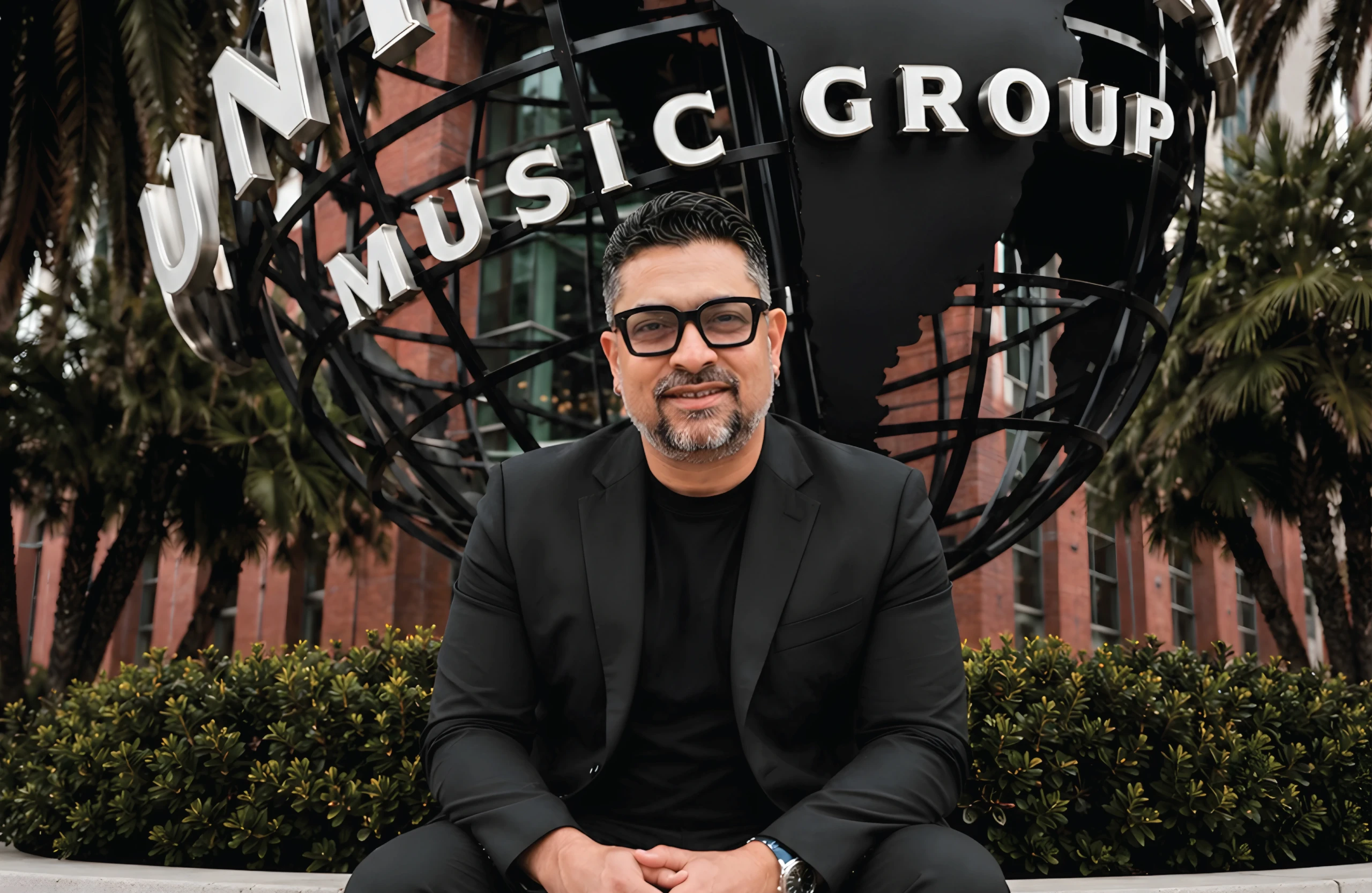
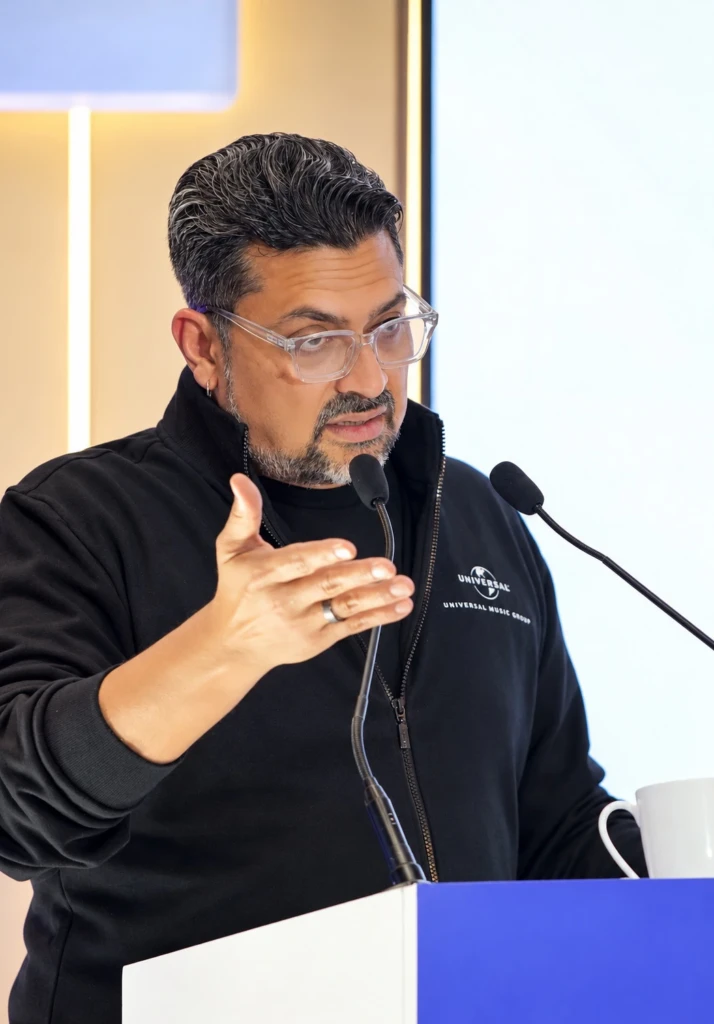
As a former frontman of a metal band, Devraj Sanyal has the rare distinction of being the leader of a music company who quite literally knows what it’s like to be in the shoes of an artist. “It’s my superpower,” says the Chairman and CEO of Universal Music Group in India and South Asia. Sanyal, who recently completed 15 years at the company, has a lot going on. He’s always on the hunt for the next breakout artist, mentoring young talent, growing deeper roots in Bollywood and most importantly, staying prepared for the next big economic shifts in the music industry in India.
Sanyal gives Billboard India an insider view on what it takes to run a music company, and why a large part of his time is dedicated towards fostering better artist-label relationships.
People on the outside don’t know how a music company or a label actually works. As someone who leads one, can you run us through an average day of your life? What will people be surprised to know?
First of all, if you ask different people at different labels, at different levels, with different job profiles, in different cities, they’ll have a different answer. I’ll tell you from my perspective. I run the world’s most premier music company in India. I also have a second role, which is SVP Strategy AMEA. As with any business, you can have all the machinery in the world and build a well-oiled factory that works beautifully, as we have done. But ultimately, we live for the human side of business. On most days, you would hear four different kinds of loud music playing, three people chatting in one corner, something happening on the other side. It’s 24/7 music and energy but in the most beautiful way.
Till a year and a half ago, we were doing the independent non-film space, where we are market leaders by a mile. But since then, we are doing more in Bollywood, as you know, [Universal Music India acquired 30% equity stake in Excel Entertainment in January 2026]. So now you have film music, non-film independent music, genres, geography, everything colliding at once, somehow landing in perfect harmony. An average day for me will be anywhere between 12-16 hours.
There are two things that I distinctly do in a day — half my time is on artistry, artists and my relationship with them. I think without that, you can’t be a label. The other half is purely strategic. It’s focussing on big strategy, big moves, and growth.
How does being an artist yourself make you better at what you do?
This is my greatest superpower — my ability to understand what an artist is feeling. Actually knowing what they have gone through in the early days, their struggle, what they had to do, how they got successful, how to scale up, how to trust a label, how to be independent. I know this because I’ve done it twice. I’ve been a recording, touring, live artist with one of India’s most amazing heavy metal bands. Brahma would have been 32 if we were still going.
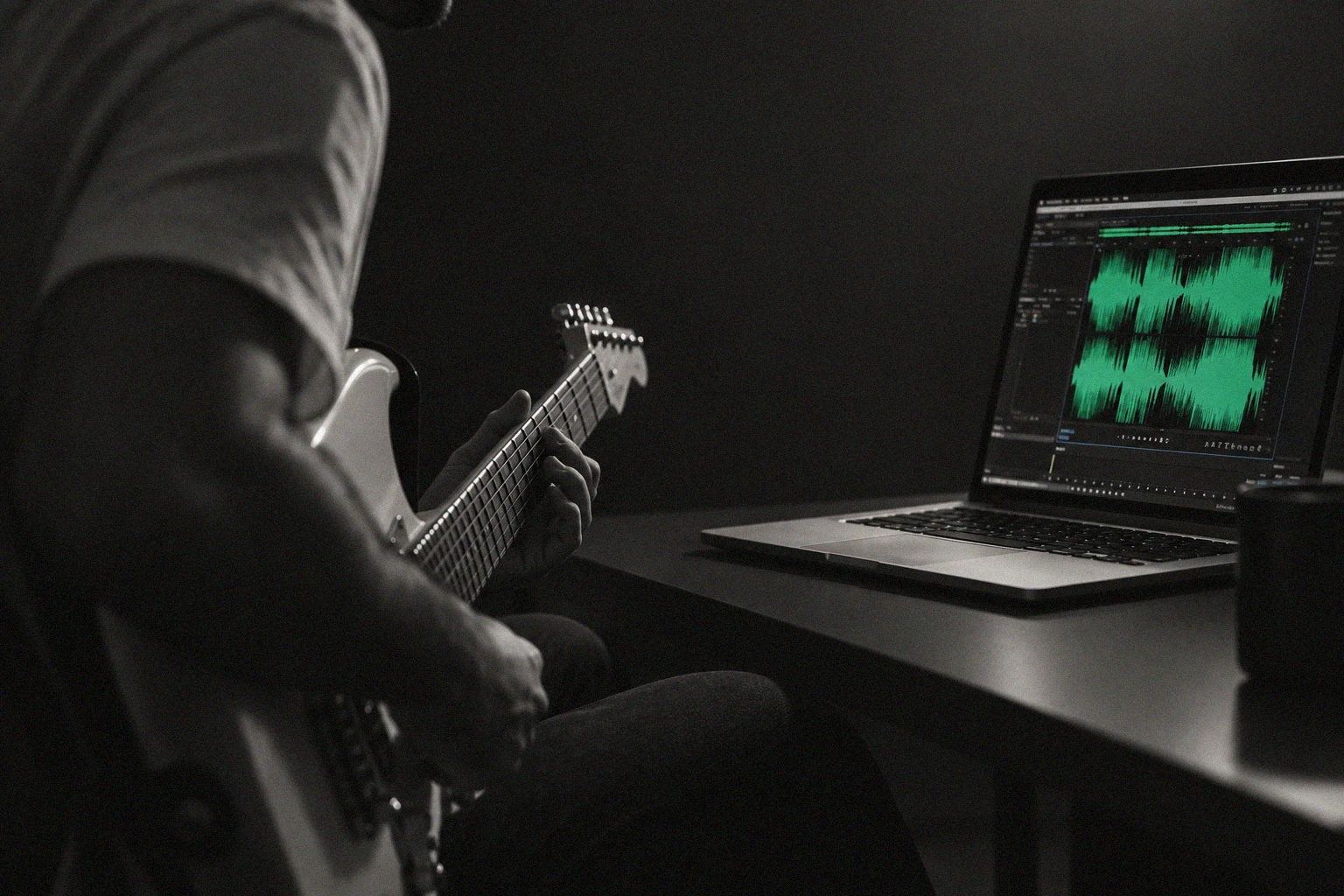
I know how to record an album. I’ve lifted my own gear. I know my way around the studio and can play the guitar and bass. I can still operate Pro Tools. So when I’m sitting opposite a singer-songwriter like Anuv Jain or hip-hop artists like BADSHAH or DIVINE, and especially the newer artists who’ve just about begun, I know exactly what they’re going through, and the journey they’re on.
Do you think this also helps you bring more fairness in the artist-label relationship?
One hundred percent. We put the artist and their artistry at the centre, then everything else. It only works when everyone benefits.
What would you tell artists who are just breaking out about how to find the right company to work with? The temptation might be to go to the highest bidder.
That’s the first thing not to do. I say this to everyone. What I love is when someone comes here with a bunch of different songs. When I see someone with real creative depth, I think that speaks to the inherent quality of writing and artistry which makes me excited about partnering with them longterm.
When an artist sings in your office and is able to elicit a physical emotion out of you, that is artistry. I’ve had artists here who have moved my teams to tears. That is what I want to support. That is what will change our industry.
Traditionally, labels are always looked at as the bad guys in the equation. What have you done to change this?
These narratives have always existed. I can only speak for myself and my team, and our number one agenda is helping the artist achieve their own goals. This is extremely important in the culture of our company. This is my 16th year and I’ve been consistent with it.
What does this mean in practice? We’re long-term partners to our artists. We invest in and support them at every stage of their journey. I tell them ‘You are great at what you do. Our job is to amplify what you do in a better way and help more fans fall in love with your creativity’.
The relationship has to feel like a genuine relationship where our scale and machinery amplify the artist, but the creativity sits with the artist.
A major part of your job is also to find the next big artist. How often do you hear something that makes you feel like you’ve found the next star?
There are two parts to this. Identifying, and then developing artists. Both of these bring me huge joy and are why I get out of bed in the morning.
Discovering someone completely unknown takes time. I have a team of people in A&R [artist and repertoire] who’s job this is. They’re out 4-5 nights a week, finding artists no one has heard of yet.
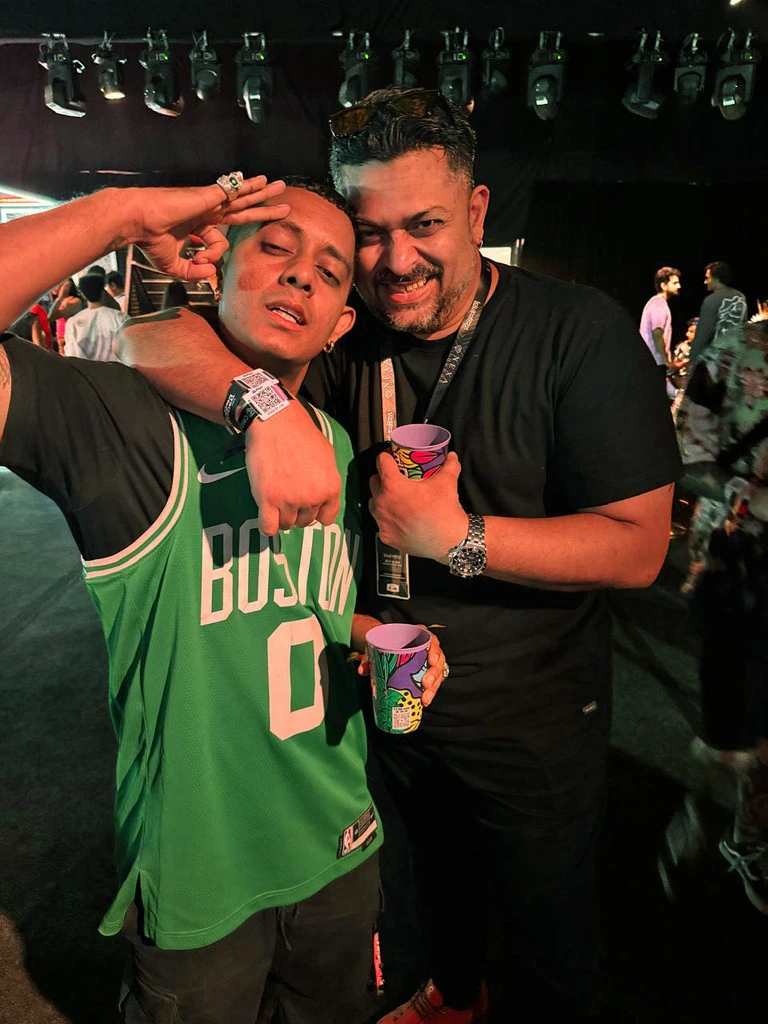
Just a year ago we found Prathamesh [Raut], this young kid in hip-hop. I was blown away when I heard him. Now look at what he’s doing on Legacy [the reality show]. Naam Sujal is barely 20 and he’s doing his second album with us. So we have a lot of aha moments, but I’m always looking for more.
Then, the work starts with developing them. We signed them because we found some X factor in them. It takes time and investment to help artists achieve their creative vision. But I love it. While you’re working and creating with them you hear some amazing, genius stuff really often. It’s absolute magic.
Once you do find that big talent, what’s your strategy to amplify them, create fandoms etc?
Culture moves so fast these days, it’s really our job to help artists cut through and find their audience. Mostly it’s about patience. While we’re experts in building fandoms — helping artists develop their audiences, and build those communities — there isn’t just one answer any more. Today it’s about taking the right approach for each artist and their different fans. That means anything from social channels, in-person events, exclusive merch drops, to bringing different combinations of artists together to record a track. When everything works in harmony is when we have success.
That’s what happened with Hanumankind. We’d worked together for a while, laying the foundations. And then when “Big Dawgs” blew up, we were all ready. We thought the collaboration with Kalmi would be big — we just maybe didn’t expect it to be as big as it was! In 3 days it became the world’s number one viral song on Spotify, and the number one Shazam song globally leading to it charting in the Billboard Hot 100 and Global Spotify 200 as the highest non-film independent song of all time by an artist of Indian origin. Amazing.
Universal recently introduced the 72-hour subscription window on new releases. What’s the biggest challenge you’re anticipating in getting people to pay for music?
In the physical era, people bought vinyl, cassettes and CDs in enormous numbers. We’re now trying to replicate this with streaming.
It’s right that we started in the way we did — by building the foundations of a digital music market. This next step is about helping drive greater conversion from free to paid, and over time to premium experiences that deliver even greater value for artists, songwriters and fans.
The key to getting it right is doing it in the right way for the market, at the right time. The way we’ve gone about it here means that fans will continue to have a choice in how they listen. Those who want immediate access to new releases can subscribe to Premium, while listeners on ad-supported tiers will continue to receive full access after the initial 72-hour window.
And we think now is the right time because we’re seeing more evidence of growing consumer appetite for subscriptions – for example with the success of the IPL putting its content behind paywall last year.
We’ve had success with helping develop healthy music markets in other countries — such as China. Indian artists, songwriters and fans deserve the benefits of a healthy music ecosystem too.
Do you think we waited too long to push back?
No. Everything has an organic time frame in which things must be done. I think now is the right time, to be honest, when you look at everything from the strength of the digital infrastructure to consumer appetite for subscriptions.
Let’s end with some forecasting. What are some of the major industry shifts you are seeing in the next couple of years?
I’m excited for the future. I hope in the next 5 years we’ll see India move towards becoming a healthier music market. ‘Hear it first’ — our windowing initiative — is one example of how we think we’ll get there together. I think artists, songwriters and fans will all benefit from this.
I’m also excited about the growth of the super fan economy. From Bollywood cafes to Bollywood museums to live shows to many more festivals.
But ultimately, I’m most excited by the amazing Indian artists and songwriters that I’ll be working with and helping to make their mark on the world stage.